Last updated on by MRC
Paraplegia is a life-altering medical condition characterized by the loss of movement and sensation in the lower half of the body. It typically occurs as a result of damage to the spinal cord, which disrupts the neural pathways connecting the brain to the lower limbs, pelvic organs, and parts of the trunk.
While the end result, paralysis affecting the legs and lower torso, is similar, the underlying pathways leading to this condition vary drastically. Broadly, medical professionals categorize the condition into two distinct forms: Traumatic Paraplegia and Non-Traumatic Paraplegia. Understanding the difference between these two types is essential for proper diagnosis, timely intervention, and creating an effective long-term rehabilitation plan.
Check out blog: Different Types of Paralysis: Symptoms & Treatment Options
Traumatic paraplegia occurs due to a sudden, external physical force that impacts the spine, leading to fractured, dislocated, or compressed vertebrae that tear or severe the spinal cord tissue.
The onset of traumatic paraplegia is immediate and violent. Patients experience sudden, excruciating pain at the injury site, followed by immediate loss of sensation and motor function below the level of the injury. Spinal shock—a state of temporary loss of all reflex activity below the injury—is common in the acute phase.
Unlike its traumatic counterpart, non-traumatic paraplegia does not involve a sudden, external blow to the spine. Instead, it is caused by internal medical conditions, such as progressive diseases, infections, tumors, or circulatory failures that damage the spinal cord over time.
The progression of non-traumatic paraplegia is typically gradual and insidious. Patients might initially complain of vague back pain, tingling, numbness, or progressive weakness in the legs. Over weeks, months, or sometimes years, these subtle symptoms can worsen until the individual completely loses the ability to walk or control their bowel and bladder functions.
| Feature | Traumatic Paraplegia | Non-Traumatic Paraplegia |
|---|---|---|
| Primary Trigger | External physical impact (accidents, falls, violence) | Internal pathology (infections, tumors, degeneration) |
| Onset Speed | Immediate and sudden | Usually gradual and progressive |
| Associated Injuries | Often accompanied by rib fractures, internal bleeding, or head trauma | Accompanied by constitutional symptoms (fever in infections, weight loss in tumors) |
| Demographics | Historically more common in young adults and men | Frequently observed in older adults or immunocompromised individuals |
| Diagnostic Pathway | Immediate X-rays, CT scans, and emergency trauma assessment | Blood markers, biopsies, detailed MRI, and infectious disease screenings |
Regardless of whether the root cause is a traumatic car crash or a slow-growing spinal tumor, both types of paraplegia present similar long-term challenges:
Whether dealing with the sudden shock of a traumatic injury or navigating the gradual decline brought on by advanced degenerative disc disease lumbar spine, the path to reclaiming independence requires expert care.
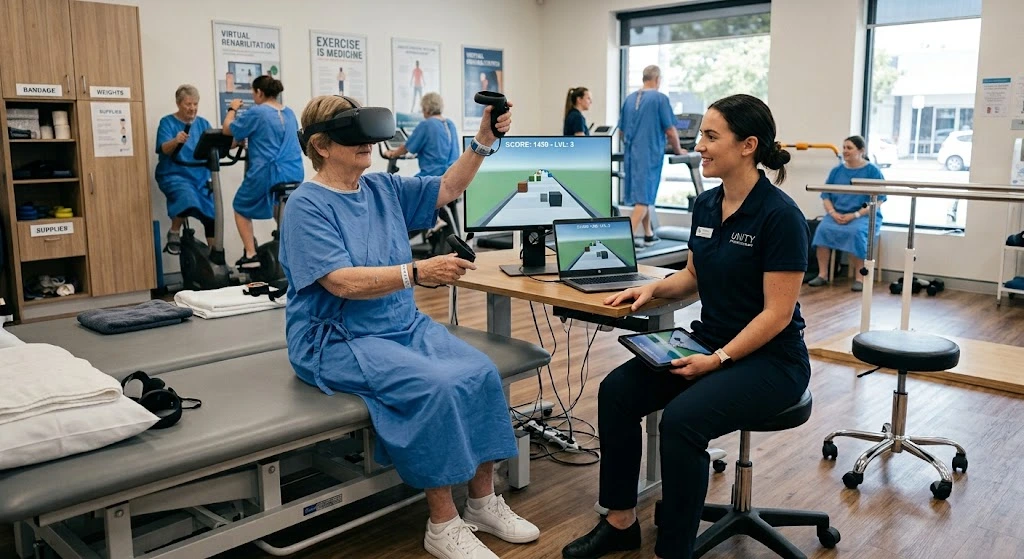
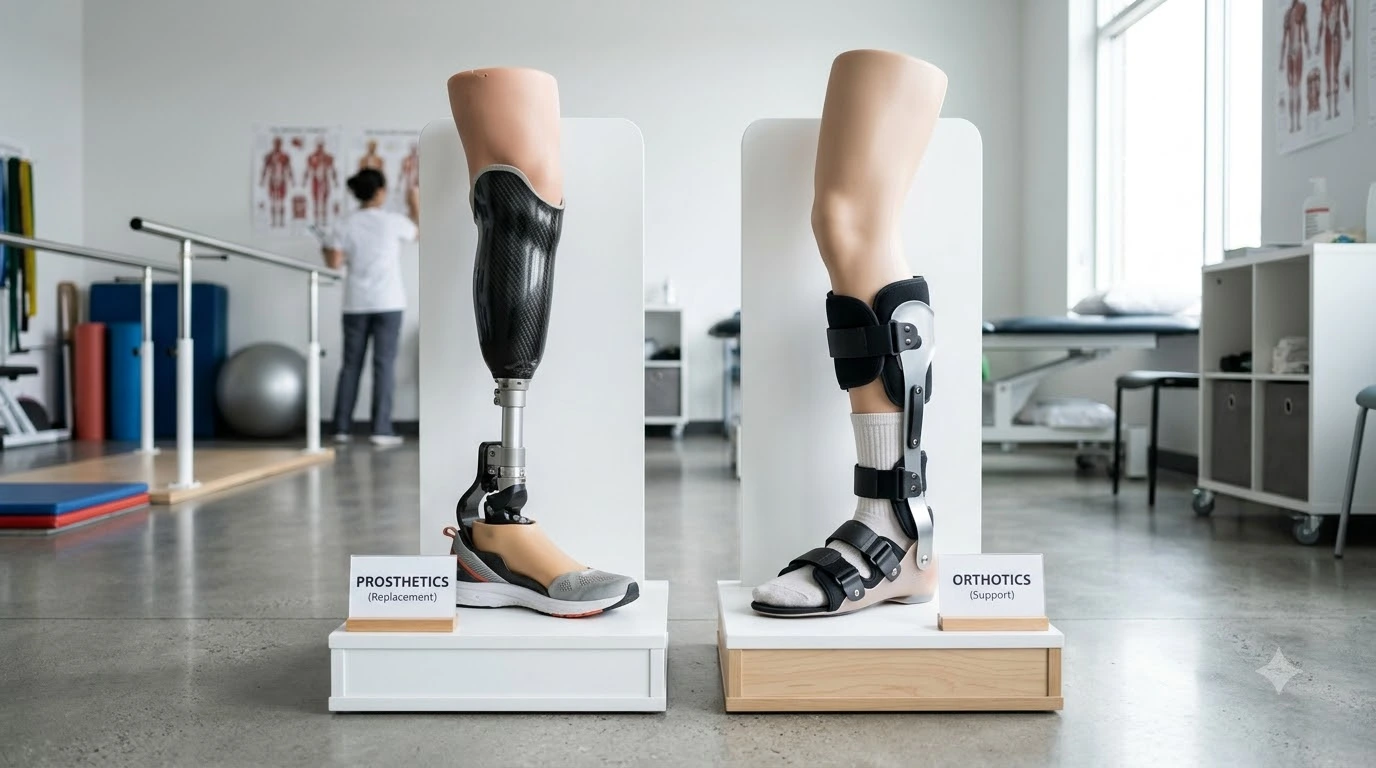
At Medical Rehabilitation Center (MRC), we provide holistic, multidisciplinary rehabilitation tailored to the unique needs of paraplegic patients. From advanced physiotherapy and occupational therapy to psychological counselling and assistive technology training, our dedicated medical team helps patients rebuild their strength, regain mobility, and learn to navigate the world with confidence.
If you or a loved one is dealing with the challenges of spinal cord injury or progressive paralysis, do not walk this journey alone.
Visit MRC to explore our comprehensive spinal cord injury rehab programs and take the first definitive step toward a more independent and fulfilling life.
Recovery depends heavily on the cause and how early it is diagnosed. If a condition like pott’s paraplegia or a benign spinal tumour is caught early and the pressure on the nerve is relieved surgically or medically, significant neurological recovery can occur. However, if the spinal cord tissue has suffered prolonged oxygen deprivation or permanent damage, the paralysis may be irreversible, requiring long-term rehabilitation.
While mild degenerative disc disease cervical spine or lumbar spine causes local back pain, severe progression can cause herniated discs or bone spurs to push directly into the spinal canal. This condition, known as spinal stenosis or myelopathy, compresses the spinal cord or nerve roots, progressively cutting off signals to the legs and potentially resulting in paraplegia if left untreated.
In many developing nations, infectious diseases like spinal tuberculosis (Pott’s disease) remain a major cause of non-traumatic spinal cord compression, alongside neoplastic causes like spinal tumors and degenerative spinal disorders.
Managing chronic spinal pain requires a multidisciplinary approach. Seeking a consultation at a leading facility, widely recognized as the best pain clinic in Kolkata, can give you access to advanced interventional pain management techniques alongside intensive physical rehabilitation to ensure long-term relief and functional improvement.