Last updated on by MRC
Undergoing orthopedic surgery, whether a total joint replacement, ACL reconstruction, or fracture repair, is often a life-changing step toward living free from chronic pain. However, a successful surgical procedure is only half the battle. What happens in the days and weeks immediately following your procedure sets the stage for your long-term mobility, strength, and overall quality of life.
At the Medical Rehabilitation Center (MRC) in Kolkata, we emphasize that the initial post-operative phase is a critical window of opportunity. Here is a comprehensive look at why early post-surgery orthopedic rehab matters, what biological challenges your body faces, and how structured care ensures a smooth recovery.
When an orthopedic surgeon repairs a bone, tendon, or joint, your body’s natural defence mechanisms trigger an immediate inflammatory response. While inflammation is an essential part of healing, left unmanaged, it can hinder your recovery momentum.
During the first 2 to 4 weeks after surgery, your body forms primary scar tissue and recalibrates its neuromuscular connections. Delaying physical therapy during this window allows complications to take root, making full functional recovery significantly harder down the line.
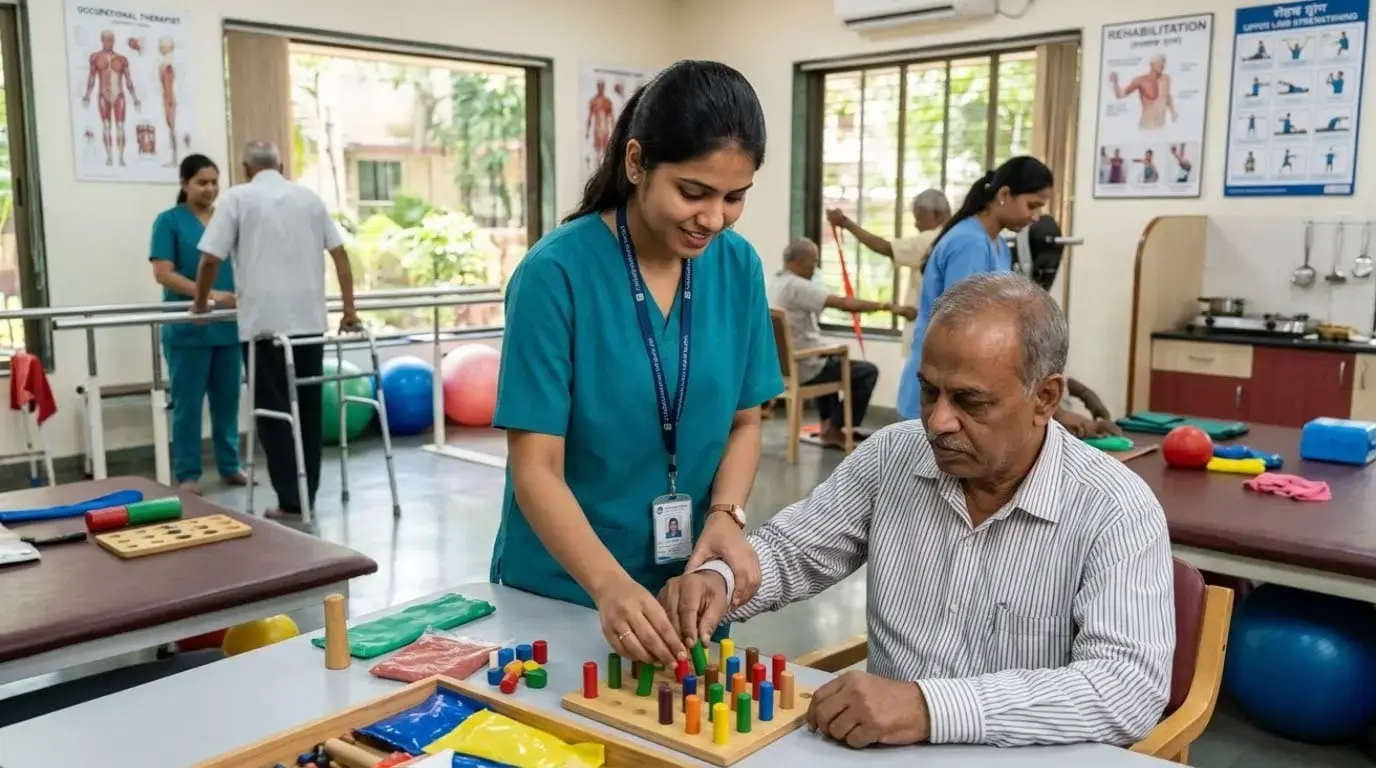
Early rehabilitation is not about heavy lifting or intense exercise. Instead, it focuses on targeted, gentle interventions designed to overcome four primary obstacles:
Post-surgical edema (swelling) increases pressure inside joint cavities and soft tissues, aggravating pain receptors and restricting blood circulation.
Why early action matters: early rehab techniques, such as manual lymphatic drainage, targeted compression, gentle active pumping exercises, and ice therapy, help control swelling rapidly. Reducing fluid accumulation decreases discomfort and allows tissues to heal with proper nutrient-rich blood flow.
When a limb is immobilized or unused due to pain, muscles begin to weaken surprisingly fast.
The risk of atrophy: measurable muscle atrophy (wasting away of muscle tissue) can begin within just a few days of complete disuse.
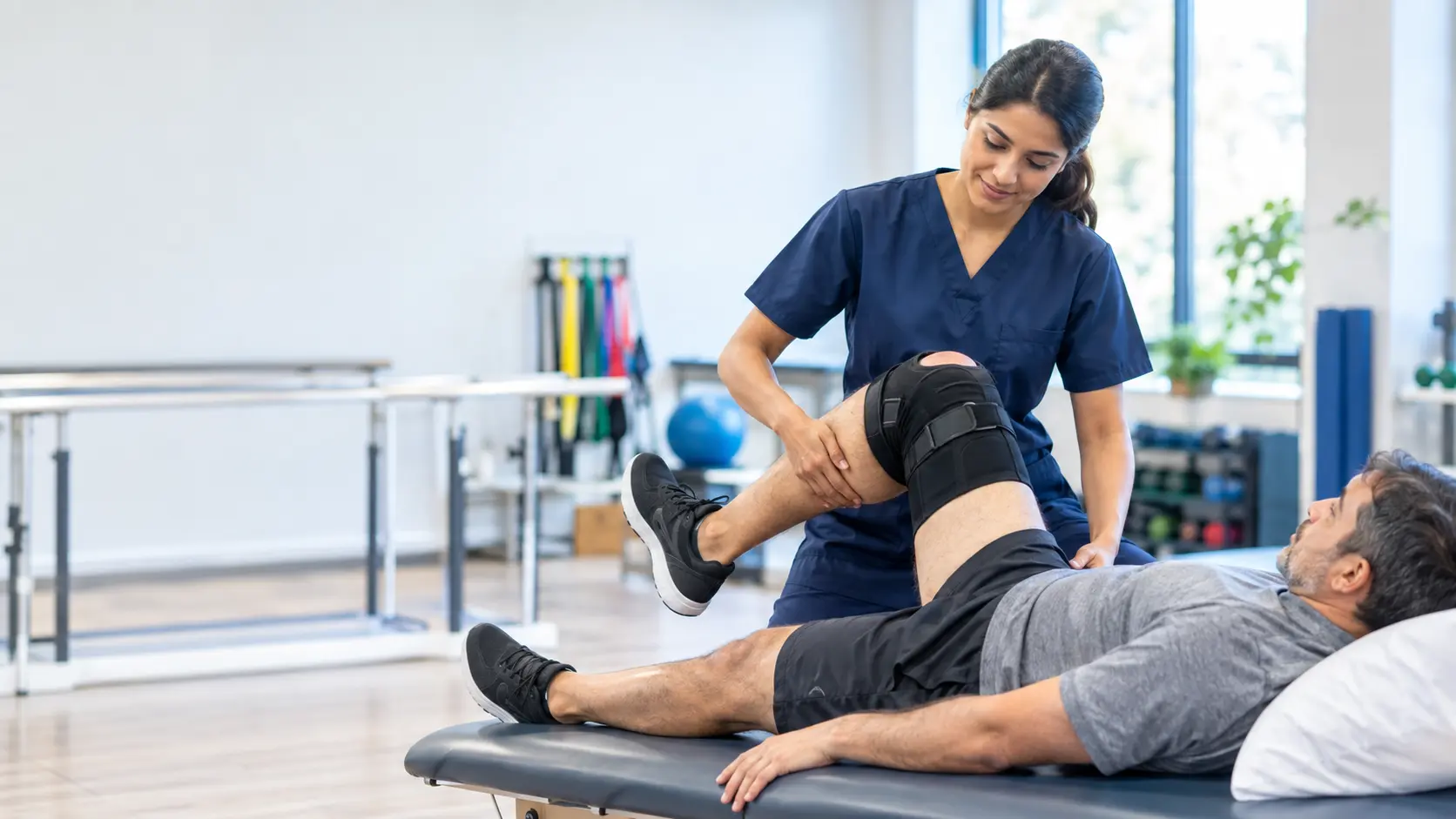
The rehab solution: gentle isometric contractions and early weight-bearing exercises stimulate motor nerves without straining the surgical site. Preventing rapid muscle loss early on saves months of strenuous strength rebuilding later. Our knee rehabilitation program is one example of how this staged approach is applied after joint surgery.
As surgical incisions and deep tissues heal, the body lays down collagen fibers to repair the damage. Without controlled movement, this tissue forms dense, random scar tissue that binds surrounding structures together.
Stopping joint stiffness: passive and active-assisted Range of Motion (ROM) exercises stretch healing tissues along normal alignment lines. This prevents permanent joint stiffness and protects your flexibility.
After trauma or surgery, your brain often shuts down muscle activation around the injured area to protect it, a phenomenon known as arthrogenic muscle inhibition. Early rehab gently “reminds” your brain and nervous system how to activate those muscles correctly, protecting your gait and movement mechanics.
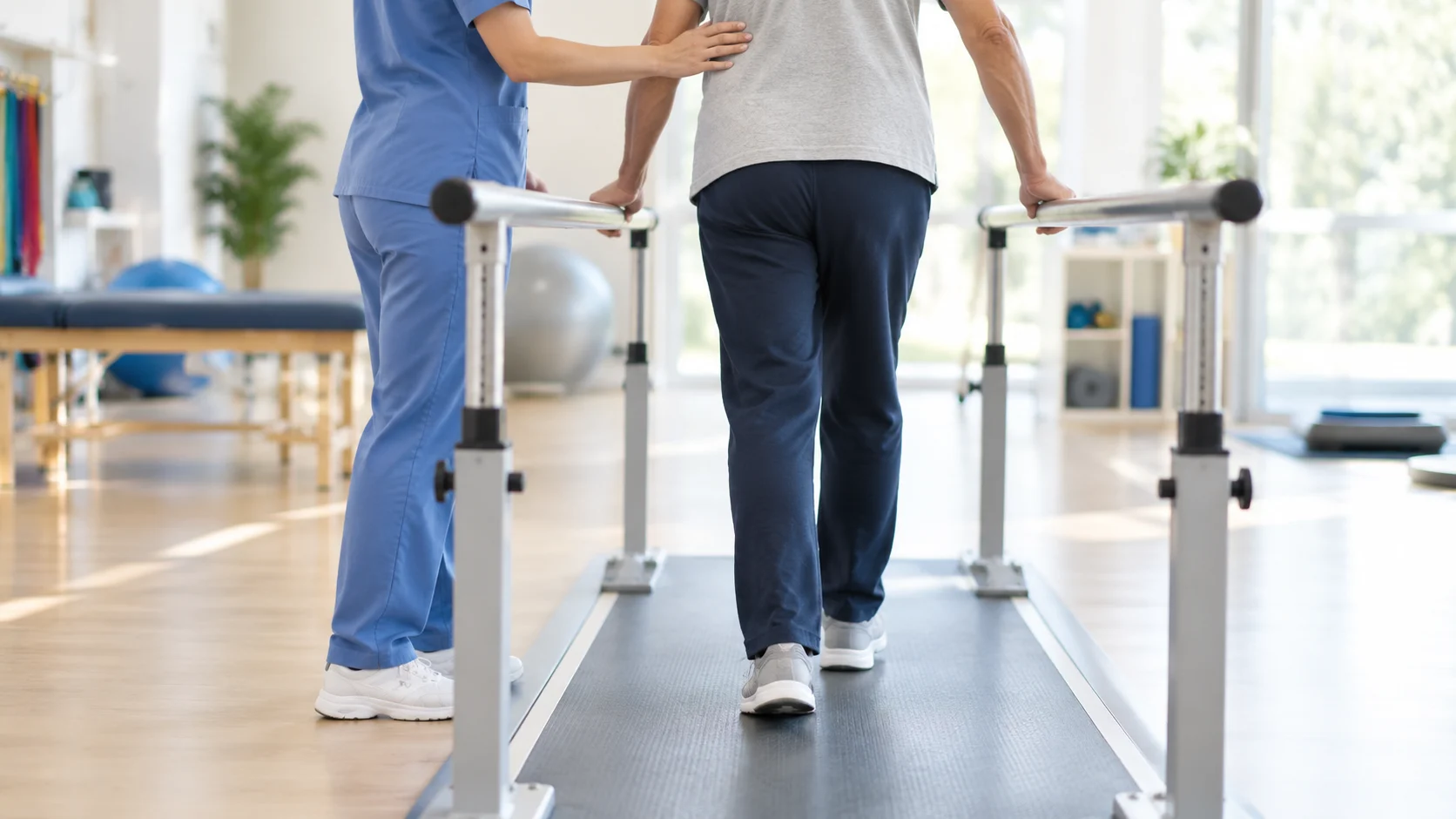
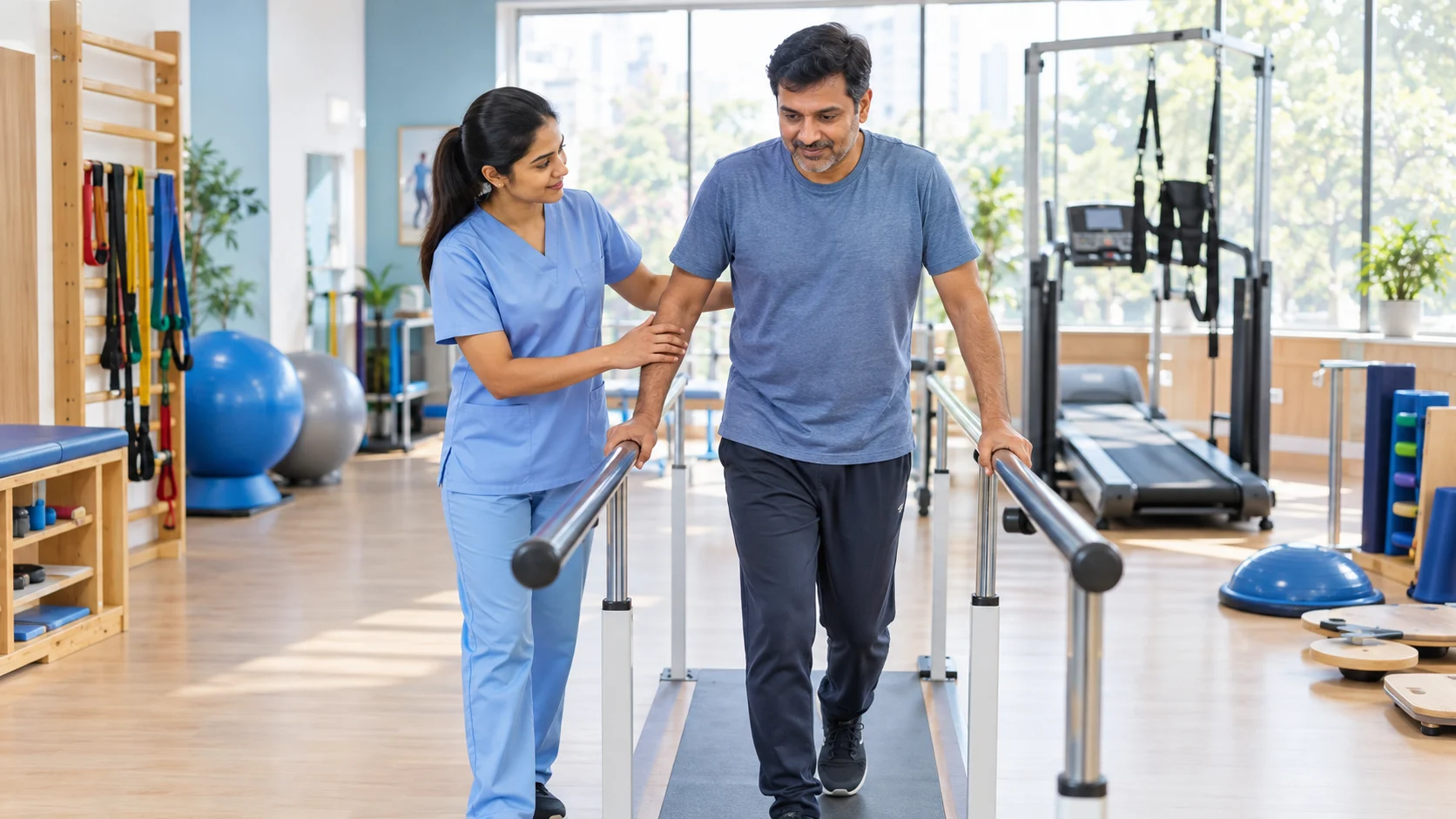
While every surgical procedure requires a personalized approach, early-stage post-operative rehabilitation generally follows a structured trajectory:
| Phase | Primary Focus | Key Activities |
|---|---|---|
| Days 1–7 (Acute Phase) |
Pain management, inflammation reduction, basic circulation | Ankle pumps, gentle isometric contractions, assisted transfers, guided walking with assistive devices |
| Weeks 2–4 (Sub-Acute Phase) |
Restoration of basic range of motion, scar tissue mobilization | Active-assisted movements, stationary bike turns (if cleared), scar massage, progressive weight-bearing |
| Weeks 5–8 (Strengthening Phase) |
Neuromuscular control, targeted muscle reactivation | Resistance band exercises, functional movement retraining, balance and proprioception drills |
Waiting too long to begin post-surgical rehabilitation often results in avoidable setbacks:
Recovery is a journey that requires professional guidance, patience, and precise timing. At the Medical Rehabilitation Center (MRC) in Kolkata, our expert physical therapists collaborate directly with orthopedic surgeons to design tailored rehabilitation programs starting from day one.
If you or a loved one are preparing for orthopedic surgery, plan your recovery early to ensure the best possible outcome.
Book a consultation with our clinical team, or visit MRC (rehabindia.org) today to learn more about our specialized post-surgical rehabilitation programs.
Yes. Post-surgery rehabilitation is carefully tailored to your surgeon’s specific post-op protocols. In the early days, therapy consisted of gentle, controlled movements designed to protect your surgical repair while keeping circulation flowing and joints mobile.
Pain management is an integrated part of rehab. Your physical therapist works within your tolerance limits, utilizing modalities such as cryotherapy (ice), elevation, gentle manual therapy, and scheduling sessions around your prescribed pain medication.
Normal muscle weakness occurs from fatigue or mild disuse. Muscle atrophy refers to the actual loss of muscle mass and structural degradation caused by complete immobility or nerve inhibition. Early rehabilitation actively prevents rapid atrophy from occurring.
Rehabilitation duration depends on the procedure, your overall health, and your personal recovery goals. While the critical early phase lasts roughly 4 to 6 weeks, full functional recovery and strength building typically continue for 3 to 6 months.
Medical Rehabilitation Center (MRC) in Kolkata offers structured, physician-guided post-surgical rehab programs, from the acute phase through full strengthening, for patients recovering from joint replacement, ACL reconstruction, and fracture repair.