
wp image

Conditions Treated by Physiotherapists and Occupational Therapists: A Complete Guide

Last updated on by MRC


Physiotherapy and occupational therapy are essential components of rehabilitation for people experiencing difficulties with movement, coordination, physical function or everyday activities. These therapies support individuals recovering from injuries, managing chronic conditions or adapting to disabilities that affect their independence and quality of life.

The conditions treated by physiotherapists and occupational therapists range from neurological disorders, such as stroke and spinal cord injuries, to musculoskeletal problems, developmental conditions, chronic pain and age-related functional limitations. In many cases, both therapies are integrated into a rehabilitation programme to address the patient’s physical limitations and everyday functional needs.

Understanding which conditions may benefit from these therapies can help patients, caregivers and families make informed decisions about rehabilitation. This guide covers the major conditions treated through physiotherapy and occupational therapy, explains how the two disciplines complement each other, and outlines their role in supporting recovery and functional independence.

Also Read: How Rehabilitation Aids in Reducing Stroke Recurrence and Supporting Lasting Recovery

Conditions Treated by Physiotherapists and Occupational Therapists

1. Neurological Conditions

Neurological conditions affect the brain, spinal cord or peripheral nerves, often causing weakness, impaired coordination, balance problems or reduced independence.

  • Stroke: Paralysis, muscle weakness, balance problems and difficulty with daily activities.
  • Spinal cord injury: Mobility limitations, reduced sensation, transfer difficulties and impaired self-care.
  • Traumatic brain injury: Problems with coordination, memory, concentration and everyday functioning.
  • Parkinson’s disease: Tremors, stiffness, slowed movement and balance difficulties.
  • Multiple sclerosis: Muscle weakness, fatigue, coordination problems and reduced mobility.
  • Other conditions: Cerebral palsy, peripheral neuropathy, Guillain-Barré syndrome, motor neuron disease, ataxia, transverse myelitis, post-polio complications and peripheral nerve injuries.

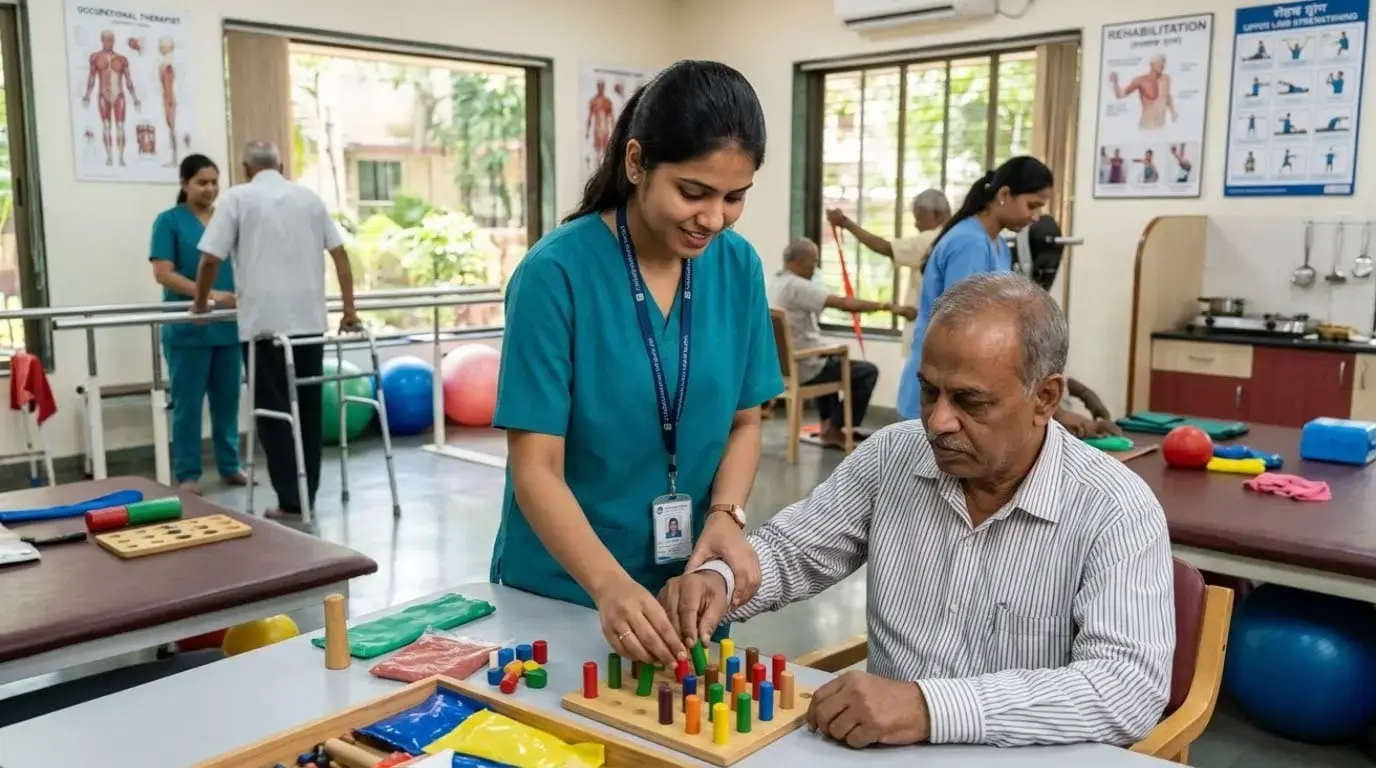
Physiotherapy supports movement, strength and balance, while occupational therapy focuses on daily living skills, hand function and independence.

2. Orthopaedic and Musculoskeletal Conditions

These conditions affect bones, joints, muscles, tendons and ligaments, often causing pain, stiffness and restricted movement.

  • Arthritis, including osteoarthritis and rheumatoid arthritis.
  • Chronic back pain and neck pain.
  • Fractures and orthopaedic injuries.
  • Post-surgical recovery, including knee and hip replacement.
  • Sports injuries, muscle strains and ligament sprains.
  • Frozen shoulder and rotator cuff injuries.
  • Tendinitis, tendinopathy and bursitis.
  • Tennis elbow and golfer’s elbow.
  • Carpal tunnel syndrome and trigger finger.
  • Joint contractures and muscle weakness following immobilisation.
  • Osteoporosis-related mobility limitations.

Physiotherapy helps restore strength, mobility and physical function. Occupational therapy supports safe task performance, joint protection and adaptation of daily activities.

3. Paediatric and Developmental Conditions

Children may need rehabilitation when developmental, neurological or physical difficulties affect movement, learning, play or self-care.

  • Cerebral palsy: Difficulties with posture, balance, mobility and hand function.
  • Autism spectrum disorder: Functional challenges involving routines, self-care, fine motor skills or motor coordination.
  • ADHD: Difficulties with organisation, routines, task completion and everyday independence.
  • Developmental delay: Delays in sitting, crawling, walking, grasping or self-care.
  • Developmental coordination disorder: Difficulties with motor planning and coordination.
  • Down syndrome and spina bifida: Functional, mobility and developmental challenges.
  • Muscular dystrophy and spinal muscular atrophy: Muscle weakness and mobility limitations.
  • Brachial plexus birth injury: Reduced movement or function in the affected arm.
  • Other conditions: Fine motor difficulties, handwriting problems, congenital limb differences, juvenile idiopathic arthritis and physical disabilities following childhood illness or injury.

Physiotherapy supports gross motor skills and mobility, while occupational therapy helps develop fine motor skills, self-care and participation in age-appropriate activities.

For ADHD and autism, therapy should address individual functional needs and form part of an appropriate, multidisciplinary care plan.

4. Geriatric and Age-Related Conditions

Older adults may experience reduced strength, balance, endurance and independence due to ageing or medical conditions.

  • Age-related muscle weakness and deconditioning.
  • Falls, fear of falling and gait difficulties.
  • Arthritis and osteoporosis-related limitations.
  • Recovery following hip fractures.
  • Parkinson’s disease and stroke-related disabilities.
  • Dementia-related functional difficulties.
  • Frailty and reduced physical endurance.
  • Difficulty bathing, dressing, toileting or preparing meals.

Physiotherapy helps maintain mobility and balance, while occupational therapy supports self-care, home safety and the use of assistive devices.

5. Chronic Pain and Functional Limitations

Persistent pain can affect movement, sleep, work and everyday activities.

  • Chronic lower back pain.
  • Neck and shoulder pain.
  • Fibromyalgia.
  • Chronic joint pain.
  • Neuropathic pain.
  • Pain following surgery or injury.
  • Complex regional pain syndrome.
  • Reduced mobility due to prolonged pain and inactivity.

Physiotherapy may include graded exercises and mobility training. Occupational therapy can help patients adapt tasks, manage activity levels and maintain daily routines.

6. Cardiopulmonary and Post-Illness Rehabilitation

Rehabilitation may help medically stable patients recover physical function after illness or prolonged hospitalisation.

  • Chronic obstructive pulmonary disease (COPD).
  • Other chronic respiratory conditions.
  • Post-intensive care weakness.
  • Reduced endurance after severe infections.
  • Functional limitations associated with selected cardiac conditions.
  • Fatigue following cancer treatment.

Physiotherapy supports mobility and physical conditioning, while occupational therapy helps manage fatigue and resume everyday activities safely.

7. Hand Function and Fine Motor Difficulties

Hand injuries and neurological conditions can affect grip, dexterity and everyday tasks.

  • Hand and wrist fractures.
  • Tendon and peripheral nerve injuries.
  • Carpal tunnel syndrome.
  • Trigger finger and hand stiffness.
  • Arthritis affecting the fingers and wrists.
  • Weak grip following stroke.
  • Fine motor coordination difficulties.

Physiotherapy may restore movement and strength, while occupational therapy focuses on functional hand use, adaptive equipment and task-specific training.

8. Balance, Vestibular and Coordination Disorders

Balance and coordination difficulties can affect walking, standing and daily safety.

  • Vestibular dysfunction.
  • Benign paroxysmal positional vertigo (BPPV), when indicated.
  • Balance impairment following stroke.
  • Parkinson’s-related gait difficulties.
  • Ataxia and coordination problems following brain injury.
  • Gait abnormalities and recurrent falls.

Physiotherapy may include balance, gait and vestibular rehabilitation. Occupational therapy addresses daily safety, functional activities and environmental adaptations.

9. Amputation and Physical Disabilities

Rehabilitation helps individuals adapt to physical changes and regain functional independence.

  • Upper- and lower-limb amputation.
  • Congenital limb differences.
  • Weakness following nerve injury.
  • Joint contractures.
  • Functional limitations following complex trauma.
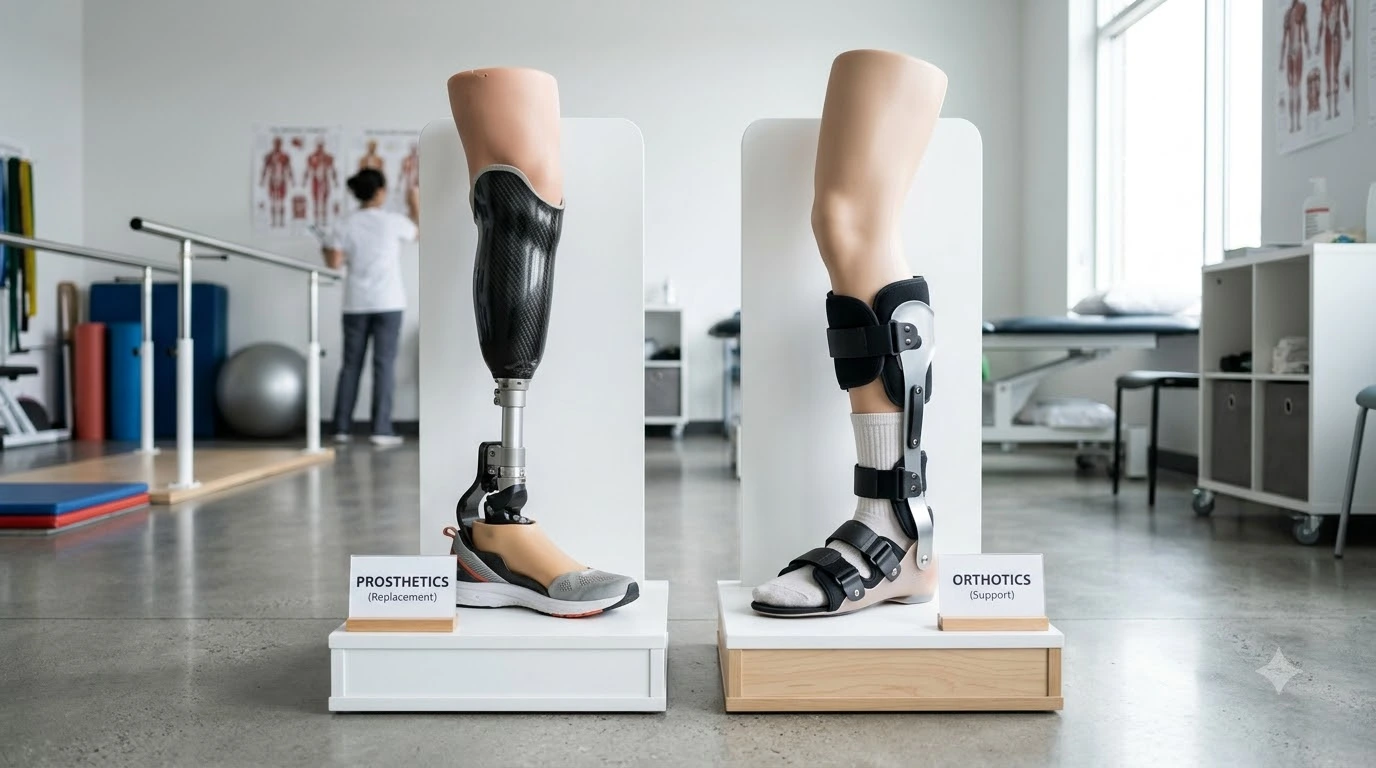
  • Prosthetic use and mobility training.

Physiotherapy supports strength, transfers and mobility, while occupational therapy helps patients adapt self-care, household and work activities.

10. Cognitive and Perceptual Difficulties

Neurological and developmental conditions may affect memory, attention, planning and task performance.

  • Cognitive changes following stroke.
  • Traumatic brain injury.
  • Dementia-related functional difficulties.
  • Attention and executive-function challenges.
  • Visual-perceptual difficulties affecting daily activities.
  • Problems sequencing familiar tasks.
  • Challenges returning to work, education or household responsibilities.

Occupational therapy focuses on practical strategies, routines and task adaptations. Physiotherapy may be included when movement and balance are also affected.

How Physiotherapy and Occupational Therapy Work Together

An integrated rehabilitation plan addresses both physical abilities and everyday functional needs.

The process generally includes:

  • Assessment: Evaluating the patient’s condition, abilities and limitations.
  • Goal setting: Establishing realistic, individualised rehabilitation goals.
  • Therapy planning: Combining physiotherapy and occupational therapy where appropriate.
  • Progress monitoring: Reviewing improvements and adjusting treatment.
  • Caregiver education: Providing guidance on safe assistance and home-based practice.
  • Continued support: Planning outpatient care, assistive equipment or further rehabilitation.

The combination of therapies depends on the patient’s diagnosis, medical condition and functional goals.

When Should You Consult a Therapist?

Consider a rehabilitation assessment if you experience:

  • Difficulty walking, standing or maintaining balance.
  • Persistent pain or joint stiffness.
  • Slow recovery following surgery or injury.
  • Reduced independence after a stroke or neurological condition.
  • Developmental or functional difficulties in children.
  • Repeated falls or declining mobility in older adults.
  • Hand weakness or difficulty performing everyday tasks.

Sudden weakness, facial drooping or difficulty speaking may indicate a stroke and require emergency medical attention.

Supporting Recovery and Independence

Physiotherapy and occupational therapy address different but complementary aspects of rehabilitation. From neurological and musculoskeletal conditions to developmental disorders and age-related limitations, these therapies help individuals improve physical function and manage everyday activities.

Physiotherapy and Occupational Therapy at MRC

The Medical Rehabilitation Centre (MRC), Kolkata, provides multidisciplinary rehabilitation for patients with neurological, orthopaedic, paediatric and functional rehabilitation needs. Its team includes rehabilitation physicians, physiotherapists, occupational therapists and other healthcare professionals.

Depending on individual requirements, rehabilitation may include physiotherapy, occupational therapy, speech and swallowing therapy, psychological support and technology-assisted interventions. MRC offers inpatient and outpatient rehabilitation services guided by clinical assessment and progress reviews.

Visit MRC’s official website to learn more about its rehabilitation services and consultation options.

Frequently Asked Questions

1. What conditions are treated by physiotherapists?

Physiotherapists treat movement-related problems associated with stroke, spinal cord injuries, arthritis, back pain, sports injuries, fractures, post-surgical recovery and balance disorders.

2. What conditions are treated by occupational therapists?

Occupational therapists support people with functional difficulties associated with stroke, brain injuries, developmental conditions, ADHD-related challenges, arthritis, hand injuries, dementia and physical disabilities.

3. Can physiotherapy and occupational therapy be used together?

Yes. Physiotherapy improves movement, strength and balance, while occupational therapy supports daily living skills and independence. Both may be combined in an individualised rehabilitation plan.

4. Can occupational therapy help children with ADHD?

Occupational therapy helps children develop routines, organisation, self-care skills and strategies for participating in everyday activities. It does not replace comprehensive ADHD assessment or other recommended treatments.


Is PRP Safe for Cancer Patients? Why Cancer Is the Biggest Exception to PRP Therapy

Conditions Treated by Physiotherapists and Occupational Therapists: A Complete Guide

Post-Surgery Orthopedic Rehab: Why the First Few Weeks Matter Most

Understanding Gait Training: How Rehab Helps Patients Walk Again

Signs You Need a Neuro-Rehabilitation Specialist vs. a General Physiotherapist

Physiotherapy Vs. Occupational Therapy: What’s the difference and Who Needs What

How VR-Based Therapy Improves Motor Function and Coordination

Understanding Dysphagia After Stroke: Signs, Risks, and Treatment

What Does an Occupational Therapist Do in Rehab?

Prosthetics vs. Orthotics: What’s the Difference and Who Needs Which?