Last updated on by MRC
Imagine trying to walk, get dressed or sit comfortably, but your muscles keep tightening without your control. Your legs may feel stiff, sudden muscle spasms may disturb your sleep, or simple movements may require considerable effort. For people living with certain neurological conditions, these challenges can become a part of everyday life.
This condition is known as spasticity, a type of muscle stiffness caused by problems in the communication pathways between the brain, spinal cord and muscles. It can develop in people with multiple sclerosis (MS), spinal cord injuries, cerebral palsy, stroke and traumatic brain injuries.
Although physiotherapy, stretching exercises and oral medicines help many people, severe spasticity does not always respond adequately to conventional treatment. Some patients also experience side effects when they need higher doses of muscle-relaxing medicines.
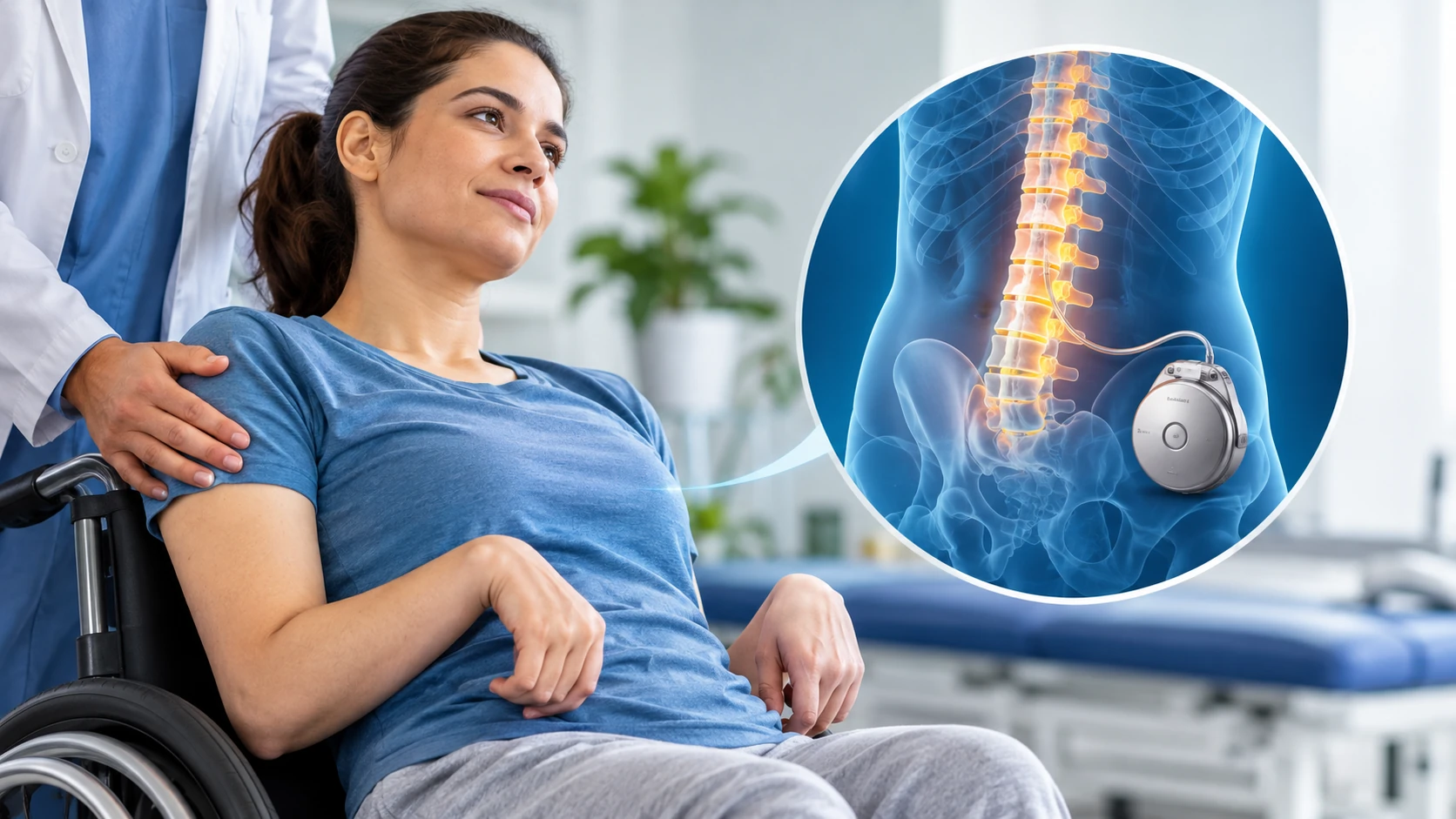
In selected cases, doctors may consider an intrathecal baclofen pump, a small device implanted inside the body that delivers medication directly into the fluid surrounding the spinal cord. This approach allows the medicine to act closer to the nerve pathways responsible for muscle stiffness.
But how does the pump work? Who might benefit from it, and what improvements can patients realistically expect?
Understanding these questions can help patients and their families make informed decisions about spasticity management.
An intrathecal baclofen pump is a medical device designed to deliver a muscle-relaxing medicine called baclofen into the fluid surrounding the spinal cord. The term intrathecal simply means inside the fluid-filled space around the spinal cord.
The system generally consists of two main components:
The pump releases carefully controlled amounts of baclofen throughout the day. A specialist can adjust the delivery rate according to the patient’s symptoms, response to treatment and daily needs.
Unlike oral medication, which must pass through the digestive system and bloodstream before reaching the nervous system, an intrathecal baclofen pump delivers the medicine directly into the spinal fluid.
This allows much smaller doses to be used than with oral baclofen in many cases, potentially reducing some whole-body side effects. However, the treatment requires careful assessment, a surgical procedure and ongoing medical follow-up.
To understand the mechanism of action, it helps to know why spasticity develops in the first place.
The brain and spinal cord continuously exchange signals with the muscles. These signals help the body coordinate movement, maintain posture and respond to changes in position.
Normally, the nervous system balances signals that activate muscles with signals that prevent them from contracting excessively.
When a neurological condition damages these pathways, this balance can be disrupted. The muscles may become overactive, respond too strongly to movement or stretch, and remain tight even when a person tries to relax.
Also Read: Understanding Spasticity: Causes, Symptoms, and Treatments
This can lead to:
Spasticity varies from person to person. Some individuals experience mild stiffness, while others develop severe symptoms that interfere with mobility, sleep and daily activities.
Baclofen is a muscle relaxant that acts on specific receptors in the nervous system called GABA-B receptors. These receptors help regulate nerve activity.
In simple terms, baclofen reduces excessive signalling in the nerve pathways that contribute to muscle overactivity. As a result, muscles may become less stiff, and involuntary spasms may occur less frequently.
Oral baclofen is commonly used to manage spasticity. However, the amount that reaches the spinal cord after a tablet is taken may be insufficient for some patients, while increasing the dose can cause unwanted effects such as sleepiness, dizziness or generalised weakness.
This is where targeted drug delivery may offer an alternative.
The pump delivers baclofen directly into the cerebrospinal fluid, the protective fluid surrounding the brain and spinal cord.
Because the medicine is delivered close to the spinal nerve pathways involved in spasticity, it can produce a therapeutic effect using a much smaller dose than oral treatment in many patients.
The process can be understood in four steps:
The delivery rate can be adjusted by a specialist to suit the patient’s needs. Some patients may require different delivery rates at different times of the day, depending on when their symptoms are most troublesome.
The aim is not to eliminate all muscle tone. Some people rely on a degree of stiffness to stand, transfer or maintain posture. Instead, treatment aims to reduce harmful stiffness and spasms while preserving useful movement and strength.
An intrathecal baclofen pump is generally considered when spasticity is severe, affects everyday function and remains inadequately controlled despite appropriate treatments, or when oral medicines cause unacceptable side effects.
It is not usually the first treatment offered for muscle stiffness. A specialist evaluates the underlying condition, symptom severity, previous treatments and the patient’s functional goals before recommending it.
Multiple sclerosis is a neurological condition in which damage to the protective covering of nerve fibres disrupts communication between the brain and the rest of the body. Spasticity is a common symptom and may cause stiff legs, muscle spasms, discomfort and difficulty walking.
For selected patients with severe MS-related spasticity, intrathecal baclofen may help reduce muscle overactivity when oral medicines do not provide sufficient relief or are poorly tolerated.
It may support goals such as:
The pump does not treat the underlying disease process of multiple sclerosis. Rather, it helps manage one of its possible complications.
Effective multiple sclerosis management may combine disease-modifying treatment, symptom control, physiotherapy, occupational therapy and regular neurological review. The role of a baclofen pump is determined by the patient’s specific needs and treatment goals.
Damage to the spinal cord can disrupt the signals that regulate muscle tone below the level of injury. Depending on the severity and location of the injury, a person may experience persistent stiffness, involuntary movements and painful spasms.
When these symptoms become difficult to manage with conventional approaches, an intrathecal baclofen pump may be considered.
Reducing severe spasticity may make wheelchair positioning, transfers, hygiene and rehabilitation exercises more manageable. The extent of improvement depends on the injury, remaining muscle function and the individual’s overall rehabilitation plan.
Cerebral palsy affects movement and muscle control. Some individuals experience significant muscle tightness that interferes with walking, sitting, sleep or daily care.
For carefully selected patients, a baclofen pump may help manage widespread spasticity when less invasive treatments have not achieved adequate results.
Treatment goals may include improving comfort, reducing spasms, making dressing and personal care easier, and supporting an individual’s mobility or positioning needs.
The decision requires particular care because reducing muscle tone too much can affect standing, walking and other activities that depend on existing muscle strength.
A stroke or traumatic brain injury can affect the parts of the brain responsible for controlling movement. Some patients subsequently develop severe spasticity in their arms, legs or both.
An intrathecal baclofen pump may be considered when the muscle stiffness is widespread and remains difficult to control with other treatments.
The expected benefit is not identical for every patient. A treatment plan should account for muscle strength, joint movement, mobility, pain, personal care and the person’s rehabilitation objectives.
Selected patients with other conditions affecting the brain or spinal cord may also be assessed for intrathecal baclofen therapy.
The key consideration is not simply the diagnosis. It is whether severe spasticity is causing significant difficulties and whether targeted baclofen delivery is likely to improve the patient’s comfort, function or care.
Before recommending a baclofen pump, the treating team assesses whether the treatment is appropriate and likely to meet the patient’s goals.
The specialist reviews the patient’s medical history, neurological condition, current medication, severity of muscle stiffness and previous treatment response.
The assessment may also examine pain, muscle strength, joint flexibility, mobility, posture, sleep and the impact of spasticity on everyday activities.
In some cases, factors such as infection, constipation, urinary problems, skin irritation or unsuitable positioning may worsen spasticity. Addressing these triggers may improve symptoms without requiring a more invasive intervention.
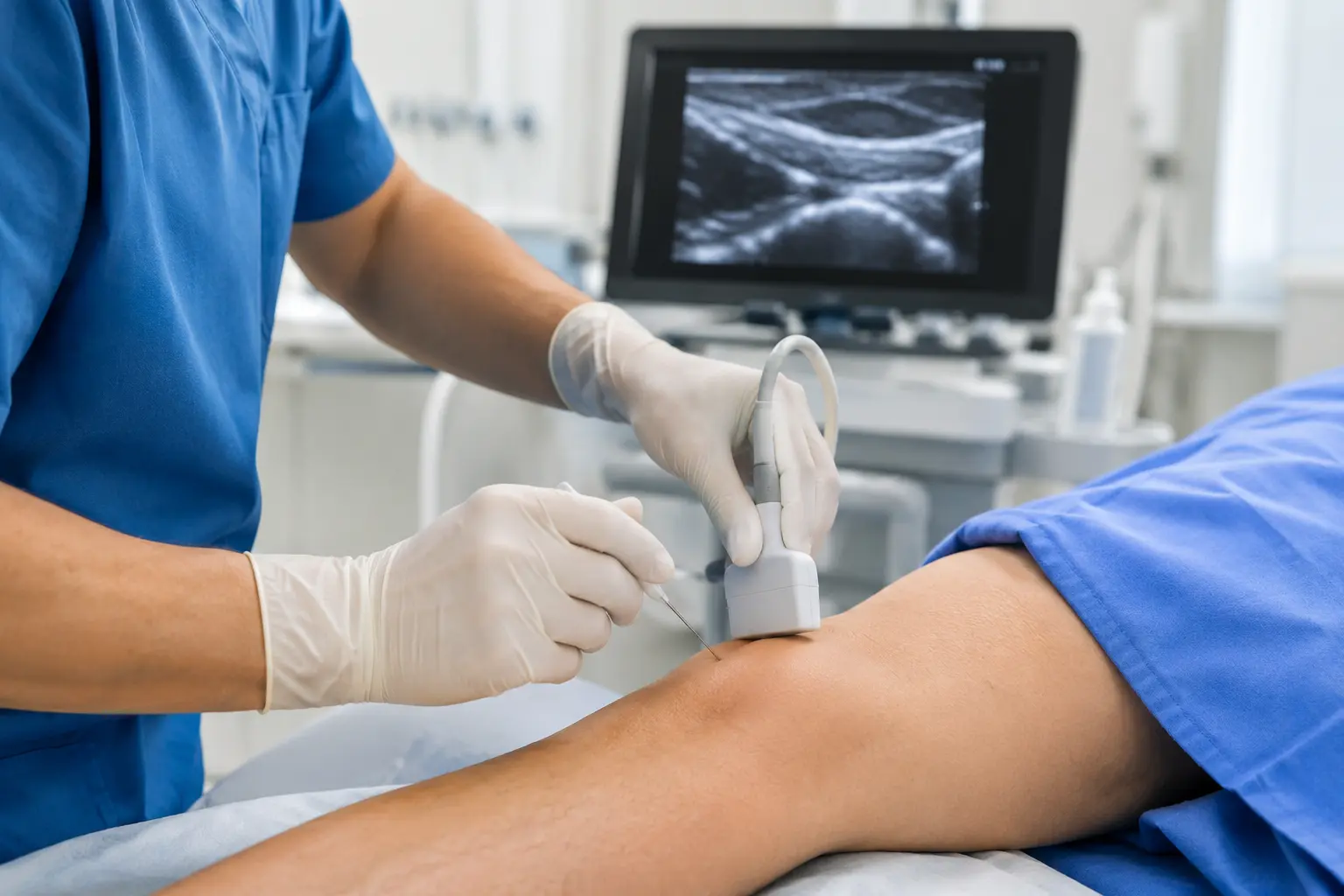
A test dose is usually administered into the spinal fluid through a lumbar puncture or an appropriate spinal catheter.
The clinical team then monitors the patient’s response. This may include changes in muscle tone, frequency of spasms, pain, mobility and ease of care.
The trial helps determine whether baclofen delivered through this route produces meaningful benefits and whether the potential improvements justify proceeding with implantation.
If the trial is successful and the patient is considered suitable, a specialist may recommend surgical implantation.
The pump is generally placed beneath the skin of the abdomen, with a catheter positioned to deliver baclofen into the spinal fluid. The device is programmed to release the prescribed amount of medication.
After implantation, the treatment team adjusts the dosage gradually according to the patient’s response and tolerance.
Regular follow-up is essential. The pump needs scheduled refills, and its settings may require adjustment as symptoms and treatment goals change.
Patients and caregivers should understand how to recognise possible complications and whom to contact if symptoms suddenly worsen or the device appears to malfunction.
The main objective of intrathecal baclofen therapy is to make severe spasticity more manageable. Outcomes vary according to the underlying neurological condition, the severity of symptoms, the patient’s response to the trial and the quality of ongoing care.
Many suitable patients experience a reduction in excessive muscle tone. Their limbs may feel less rigid, and moving or positioning the affected body parts may become easier.
However, the aim is controlled reduction rather than complete loss of muscle tone.
Frequent involuntary spasms can interfere with sleep, movement and personal care. By reducing excessive nerve activity, baclofen may decrease the frequency or severity of these spasms.
This can improve day-to-day comfort and make activities less disruptive.
Severe spasticity can cause discomfort through sustained muscle contraction, repeated spasms and difficulty maintaining a comfortable position.
Reducing muscle overactivity may ease this discomfort. Nevertheless, a baclofen pump is primarily a treatment for spasticity, and it will not necessarily relieve pain caused by unrelated nerve damage, joint disease or other conditions.
Some patients find it easier to change position, transfer between a bed and wheelchair, participate in exercises or complete personal care after their muscle tone improves.
The functional outcome depends on the person’s remaining strength and neurological impairment. Reduced stiffness does not automatically mean that someone who cannot walk will regain the ability to walk.
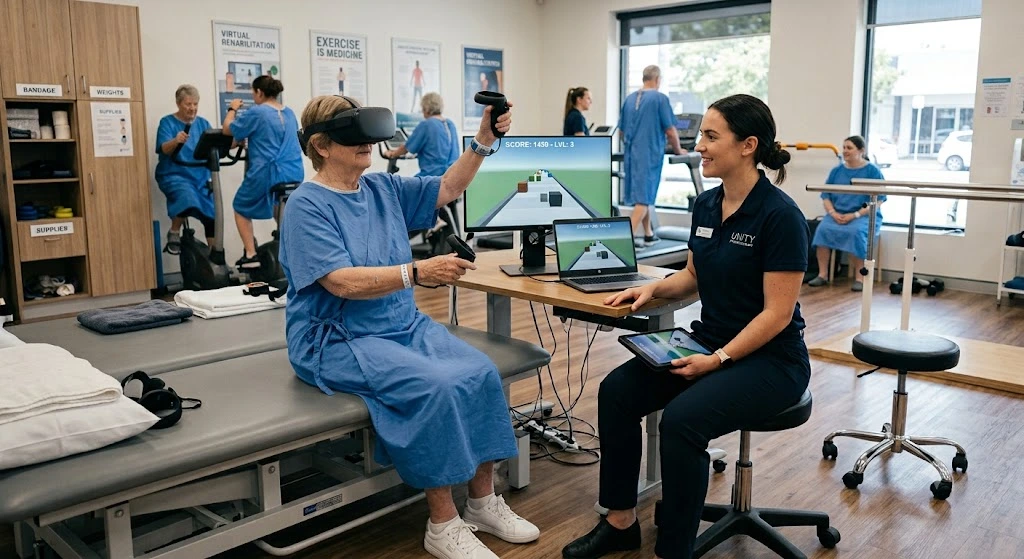
When muscle spasms and stiffness become less troublesome, patients may find it easier to engage in physiotherapy and other rehabilitation activities.
The pump is therefore best viewed as one part of a broader care plan rather than a replacement for rehabilitation.
Because intrathecal delivery uses smaller quantities of baclofen in many cases, some patients may experience fewer systemic side effects than they did with higher doses of oral medication.
However, the pump can still cause unwanted effects, and individual responses differ. Treatment requires ongoing monitoring to balance symptom relief with strength, alertness and functional ability.
An intrathecal baclofen pump can provide meaningful relief for appropriately selected patients, but it is an implanted medical device and carries risks that must be discussed before treatment.
Possible concerns include:
Sudden worsening of spasticity, unusual drowsiness, fever or other concerning symptoms in a person with an implanted pump requires urgent medical assessment. Suspected withdrawal or overdose is an emergency.
Long-term treatment also involves scheduled pump refills, device checks and eventual replacement of the pump when required. Patients and caregivers need clear instructions for follow-up and emergency contact.
For these reasons, patient selection, specialist supervision and reliable access to follow-up care are essential to safe treatment.
Managing severe spasticity involves more than reducing muscle stiffness. It requires understanding the underlying neurological condition, identifying the patient’s functional challenges and developing a treatment plan that supports comfort, independence and quality of life.
At Medical Rehabilitation Centre (MRC), patients receive doctor-led rehabilitation care guided by specialists in Physical Medicine and Rehabilitation. With more than two decades of experience, MRC takes a multidisciplinary approach to neurological rehabilitation, chronic pain management and functional recovery.
Treatment planning may involve medical assessment, appropriate symptom management, physiotherapy and other rehabilitation interventions according to each patient’s needs. For people living with multiple sclerosis, spinal cord injuries, stroke-related impairments or other neurological conditions, the goal is to address the challenges that affect everyday life through personalised care.
For patients seeking the best pain clinic in Kolkata, MRC offers an integrated approach to pain management and rehabilitation, with care focused on individual needs and realistic functional goals.
Visit MRC’s Blogs and News Updates for authentic, helpful insights on pain management, neurological conditions, and rehabilitation.