Last updated on by MRC
Parkinson’s disease is usually talked about in terms of tremors, stiffness and slow movement. But families who care for someone with Parkinson’s soon notice something else: everyday eating becomes harder. Appetite drops, constipation sets in, swallowing slows down, and sometimes the medicine simply does not seem to “kick in” after a meal.
This is where a well-planned Parkinson’s disease diet makes a real difference. No food can cure Parkinson’s or replace medication. But the right nutrients, eaten at the right time, can help medicines work more reliably, protect bones and muscles, ease digestive problems and keep energy levels steady for therapy and daily life.
In this guide, the team at Medical Rehabilitation Center (MRC), Kolkata, explains the essential nutrients every Parkinson’s patient needs, the Indian foods that supply them, and how to put it all together into a practical daily plan.
Key Takeaways
Parkinson’s affects far more than movement. It can slow down the muscles of the digestive tract, dull the sense of smell and taste, cause fatigue, and make chewing and swallowing more tiring. Over time, these changes can lead to weight loss, weak muscles and nutritional gaps.
Diet also interacts directly with treatment. Levodopa, the most widely used Parkinson’s medicine, is absorbed through the same pathway as the amino acids from dietary protein. According to the Parkinson’s Foundation, some people notice their medicine works less well when taken with a high-protein meal because the two compete for absorption.
A thoughtful parkinsons diet therefore has three goals:
Let us look at the nutrients that matter most.
Protein is not the enemy. It is vital for maintaining muscle mass, which supports balance, walking and the exercises done in physiotherapy. Cutting protein out completely can lead to muscle wasting and weakness, which raises the risk of falls.
What matters is timing, especially for patients on levodopa who experience fluctuations.
Practical approach:
Indian sources of protein:
A word on broad beans: Some beans, particularly fava beans (broad beans), naturally contain levodopa. Eating large amounts can change how your medicine works, so never use them as a “natural substitute” for medication.
Constipation is one of the most common and earliest non-motor symptoms of Parkinson’s. The condition slows the movement of the gut muscles, and limited physical activity and certain medicines can make it worse.
Constipation is not just uncomfortable. When food sits in the gut longer, medicines can be absorbed less predictably, which may affect symptom control.
Indian sources of fibre:
Tips: Increase fibre slowly over a few weeks to avoid bloating. Fibre needs water to work, so always pair it with good fluid intake. Fibre supplements like isabgol should be taken only after checking with your doctor.
Many older adults with Parkinson’s drink too little, sometimes because they do not feel thirsty, sometimes to avoid frequent trips to the toilet. Low fluid intake worsens constipation and can contribute to dizziness, especially in patients who already experience a drop in blood pressure when standing.
Easy ways to stay hydrated:
Your doctor may suggest a specific daily fluid target based on your heart and kidney health.
People with Parkinson’s often have low vitamin D levels. The Parkinson’s Foundation notes that vitamin D is essential for strong bones and may also play a role in mood and thinking. Since Parkinson’s increases the risk of falls, strong bones can be the difference between a minor fall and a fracture.
Sources of vitamin D:
Because it is difficult to get enough vitamin D from food alone, ask your doctor to test your levels. Supplements are often needed, but the dose should be decided by your doctor.
Calcium works hand in hand with vitamin D. With balance problems and a higher chance of falls, protecting bone density is a priority in any Parkinson’s disease diet.
Indian sources of calcium:
Since dairy contains protein, plan dairy-rich foods around medicine timing, as discussed in the protein section.
Vitamin B12 and folate support nerve health, red blood cell production and energy. Some studies have linked long-term levodopa use with changes in B vitamin levels, and vegetarians in India are already at higher risk of B12 deficiency because B12 comes mainly from animal foods.
Sources:
If you follow a strict vegetarian or vegan diet, ask your doctor about testing B12 levels and whether a supplement is needed. Periodic blood tests are a good idea for anyone on long-term levodopa.
Omega-3 fatty acids are healthy fats that support brain and heart health and help keep inflammation in check. While they are not a treatment for Parkinson’s, they are a valuable part of a balanced diet.
Indian sources:
For vegetarians, ground flaxseed added to roti dough, raita or smoothies is an easy daily habit.
Oxidative stress, a kind of cellular wear and tear, is believed to play a role in Parkinson’s. Antioxidants found in fruits, vegetables and spices help the body manage this stress. Again, they do not slow or cure the disease, but they support overall health.
Antioxidant-rich Indian foods:
Aim for a variety of colours on the plate every day rather than relying on one “superfood”
Magnesium supports muscle relaxation and nerve function, and may help with muscle cramps. Potassium supports normal muscle activity and fluid balance.
Sources:
Patients with kidney disease should check with their doctor before increasing potassium.
Iron prevents anaemia and fatigue. However, iron can reduce levodopa absorption if taken at the same time. If you take an iron supplement, your doctor will usually advise a gap of a couple of hours between the two.
Iron-rich foods: jaggery, leafy greens, dates, ragi, rajma, chana, eggs and meat. Pair plant iron with vitamin C (a squeeze of lemon on dal or sabzi) for better absorption.
Here is a sample Indian diet plan for Parkinson’s disease for a patient taking levodopa a few times a day. It is only an example. Portion sizes, medicine timing and food choices must be adjusted by your neurologist or dietitian based on weight, other health conditions and how the patient responds.
| Time | Meal | What to Eat |
|---|---|---|
| Early morning | On waking | 1 glass of warm water. First levodopa dose as prescribed, about 30 minutes before breakfast |
| Breakfast | Light, low in protein | Vegetable poha or upma, or dalia with vegetables, plus a fruit like papaya or banana |
| Mid-morning | Snack | Coconut water or nimbu pani, a handful of roasted makhana, or a guava |
| Lunch | Balanced, moderate protein | Brown rice or 2 rotis, a small bowl of dal, a leafy green sabzi (palak or methi), salad, a small bowl of curd |
| Evening | Snack | Ragi malt or a cup of green tea with 2 to 3 walnuts or a few almonds |
| Dinner | Main protein meal | 2 rotis or rice, fish curry, egg curry, paneer or chicken, a seasonal vegetable, and soup |
| Bedtime (if needed) | Light | A small glass of warm milk or a fruit, kept well apart from medicine timing |
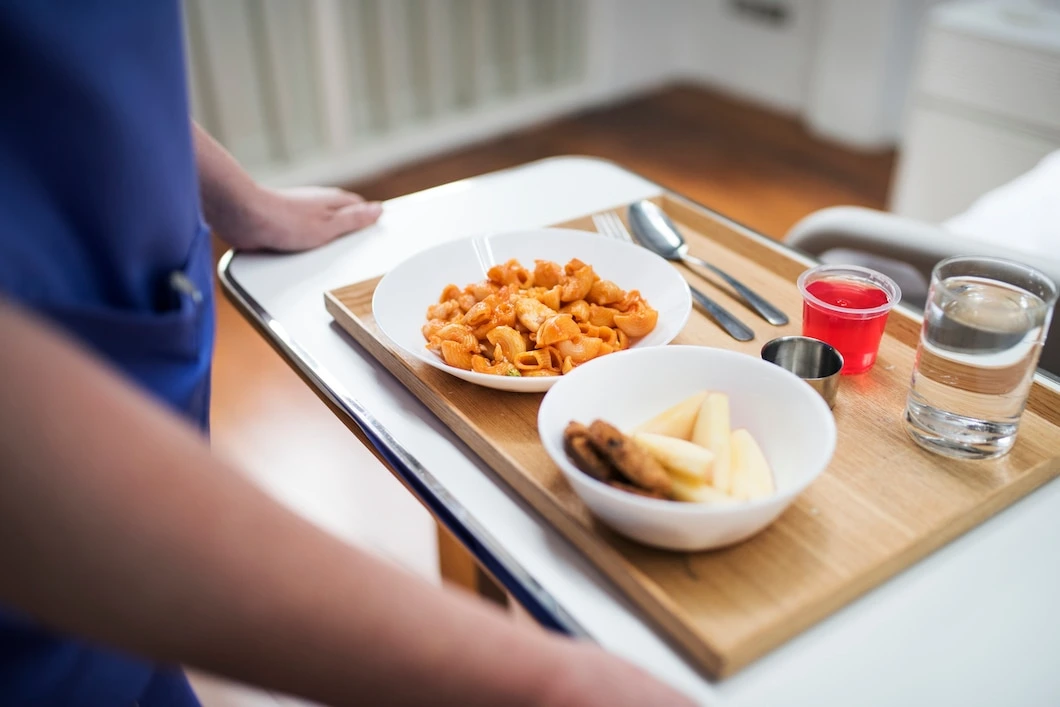
As Parkinson’s progresses, some patients develop dysphagia (difficulty swallowing). This raises the risk of choking and chest infections, so it needs attention early.
A swallowing assessment by a speech and swallow therapist can identify the safest food textures and teach exercises to strengthen swallowing muscles.
Also Read: Parkinson’s Disease Treatment Options: Comparing Medication, Surgery, and Therapy
A good diet gives the body fuel, but muscles, balance and coordination need regular, guided practice to stay strong. That is why nutrition and rehabilitation go hand in hand in Parkinson’s care.
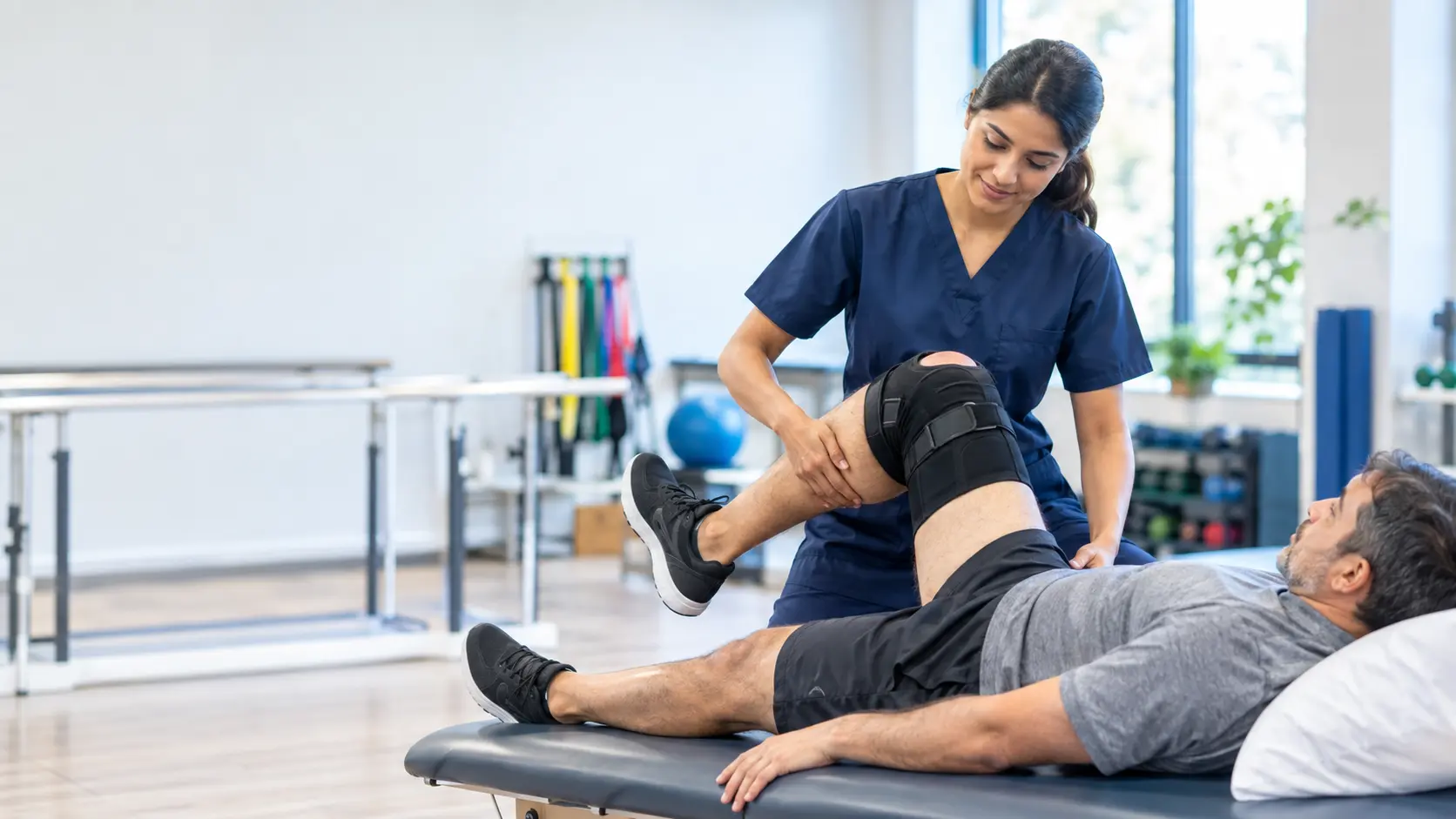
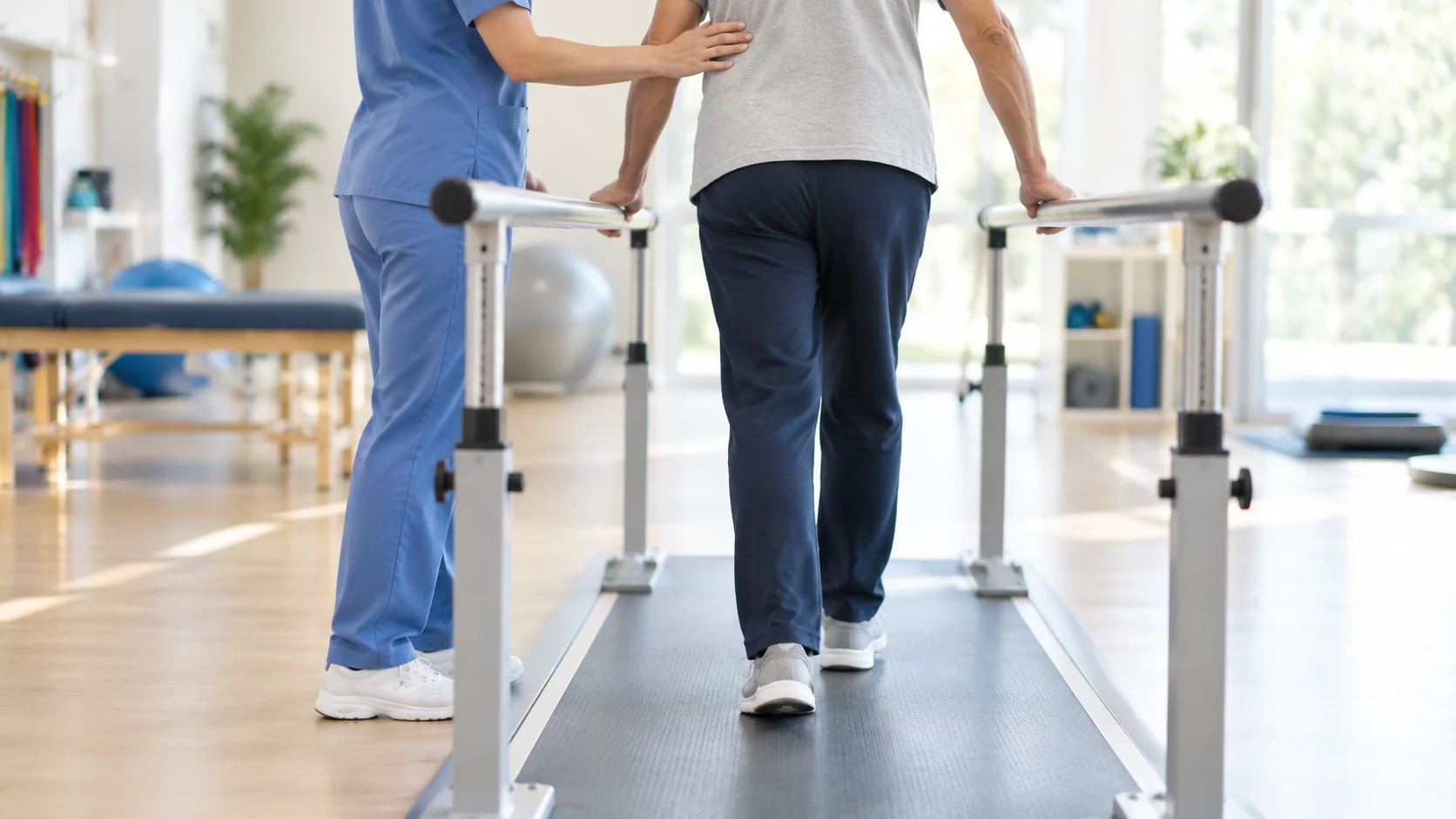
At MRC, a pain clinic in Kolkata, Parkinson’s patients receive coordinated care through our movement disorders unit, combining physiotherapy for gait and balance, occupational therapy for daily living skills, speech and swallowing therapy, and guidance on everyday routines including diet. We work alongside your neurologist so that medication, therapy and lifestyle all support each other.
Also Read: Learn How to Spot Early Symptoms of Parkinson’s Disease with This Helpful Guide
There is no single best diet. A balanced diet with whole grains, plenty of vegetables and fruits, adequate protein timed around medication, healthy fats, and good fluid intake is generally recommended. A Mediterranean-style eating pattern adapted to Indian foods works well for many patients.
No. Protein is essential for muscle strength. Patients on levodopa may need to adjust the timing of protein-rich meals, but they should not cut protein out. Discuss any change with your neurologist or dietitian.
Dal, curd, paneer, eggs, fish like rohu and hilsa, ragi, dalia, leafy greens such as palak and methi, seasonal fruits like papaya and guava, amla, flaxseeds, walnuts and turmeric are all useful additions to an Indian Parkinson’s diet.
Increase fibre gradually through whole grains, fruits, vegetables and pulses, drink enough water through the day, and stay physically active. If constipation continues, consult your doctor before starting any laxative or fibre supplement.
No. Diet cannot cure or reverse Parkinson’s. However, good nutrition can help manage symptoms, support medicine effectiveness, protect bones and muscles, and improve overall quality of life.
Milk is not bad, and it is a good source of calcium and vitamin D. But since it contains protein, it is best not taken together with a levodopa dose. Space it out as advised by your doctor.