
Last updated on by MRC
If you are struggling with nagging knee or shoulder pain that just won’t quit, you’ve likely explored everything from physical therapy to corticosteroid shots. But for many, the relief is either temporary or non-existent. This has led many patients to ask:
Is PRP therapy effective for chronic pain?
At MRC, the best pain clinic in Kolkata, we believe in evidence-based care. Platelet-Rich Plasma (PRP) therapy has emerged as a leading regenerative treatment, but its success isn’t just about how you feel next week, it’s about how you feel a year from now.
In this article, we’ll dive into the hard data from recent 6 to 12-month clinical studies to see how PRP therapy results hold up for long-term chronic pain management.
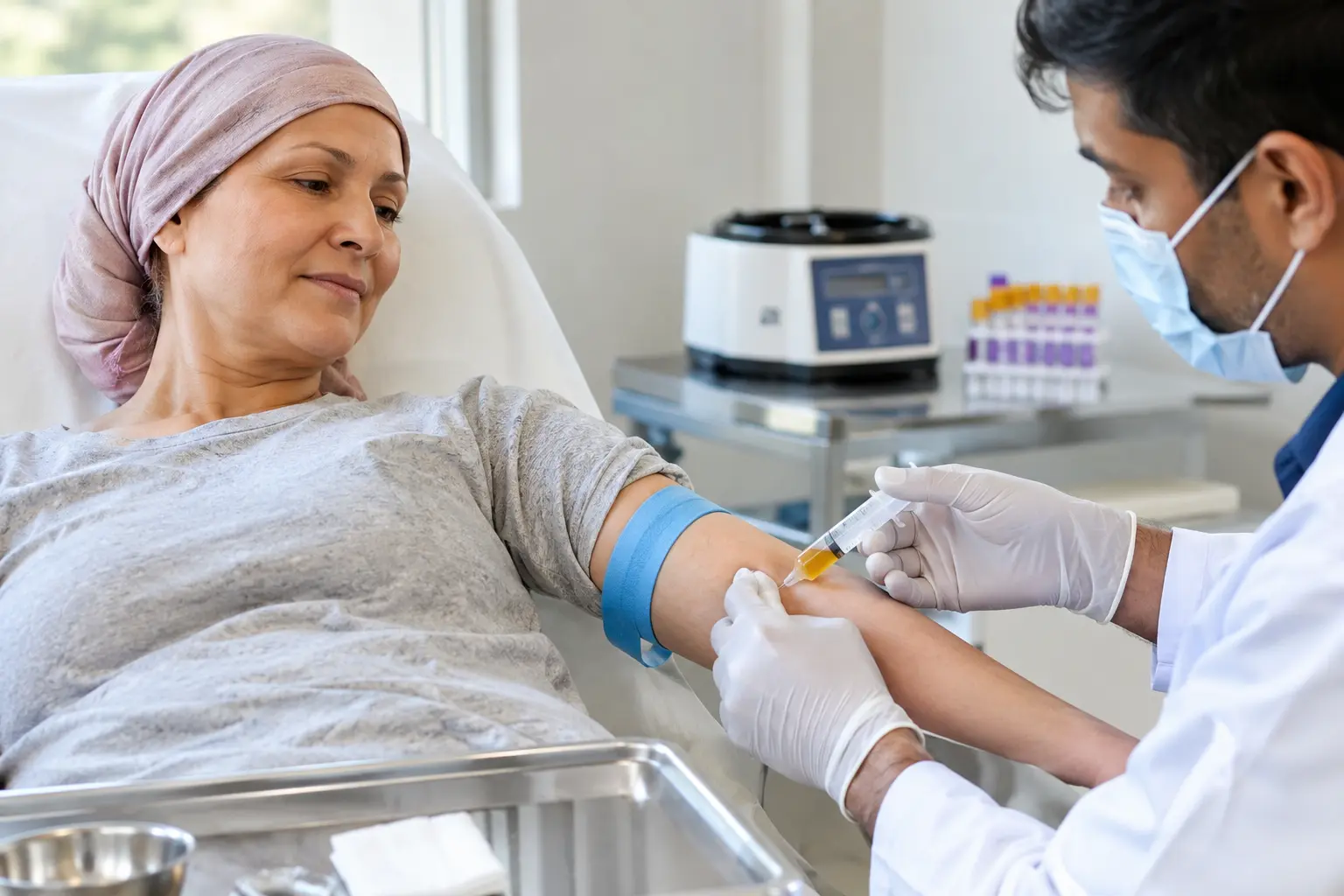
PRP success rate is often measured by a significant reduction in pain (usually via the Visual Analog Scale or VAS) and a marked improvement in joint function. Unlike steroid injections, which offer rapid but short-lived relief, PRP works by using your own blood’s growth factors to stimulate biological repair.
Recent meta-analyses of 6-12 month studies show that PRP consistently outperforms placebo and hyaluronic acid in long-term efficacy.
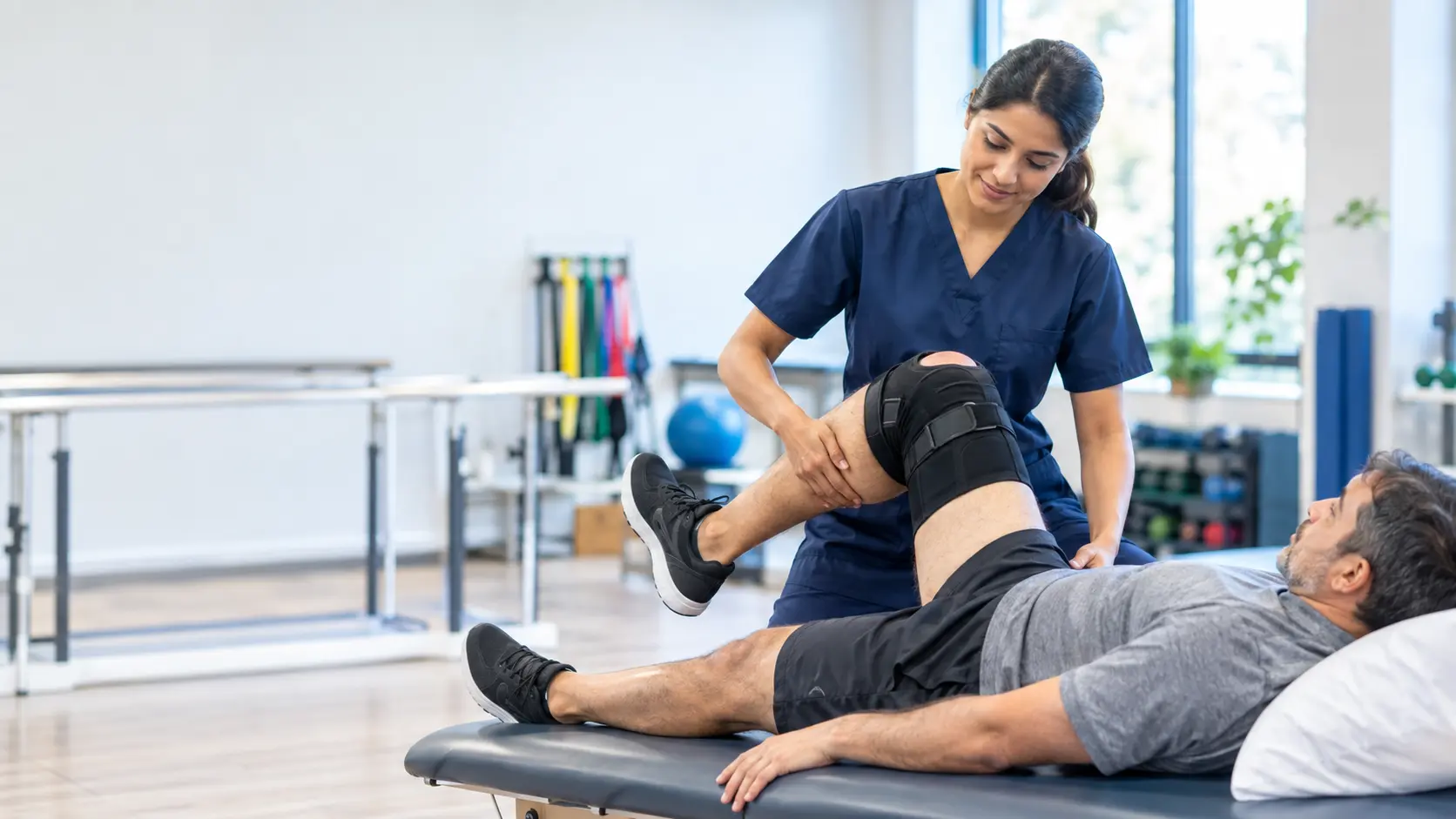
For those considering a PRP injection for knee pain, the data is particularly encouraging for mild-to-moderate osteoarthritis (OA). Research indicates that patients receiving a multi-dose regimen (typically 3 injections) see significantly better pain relief at the 12-month mark compared to single injections.
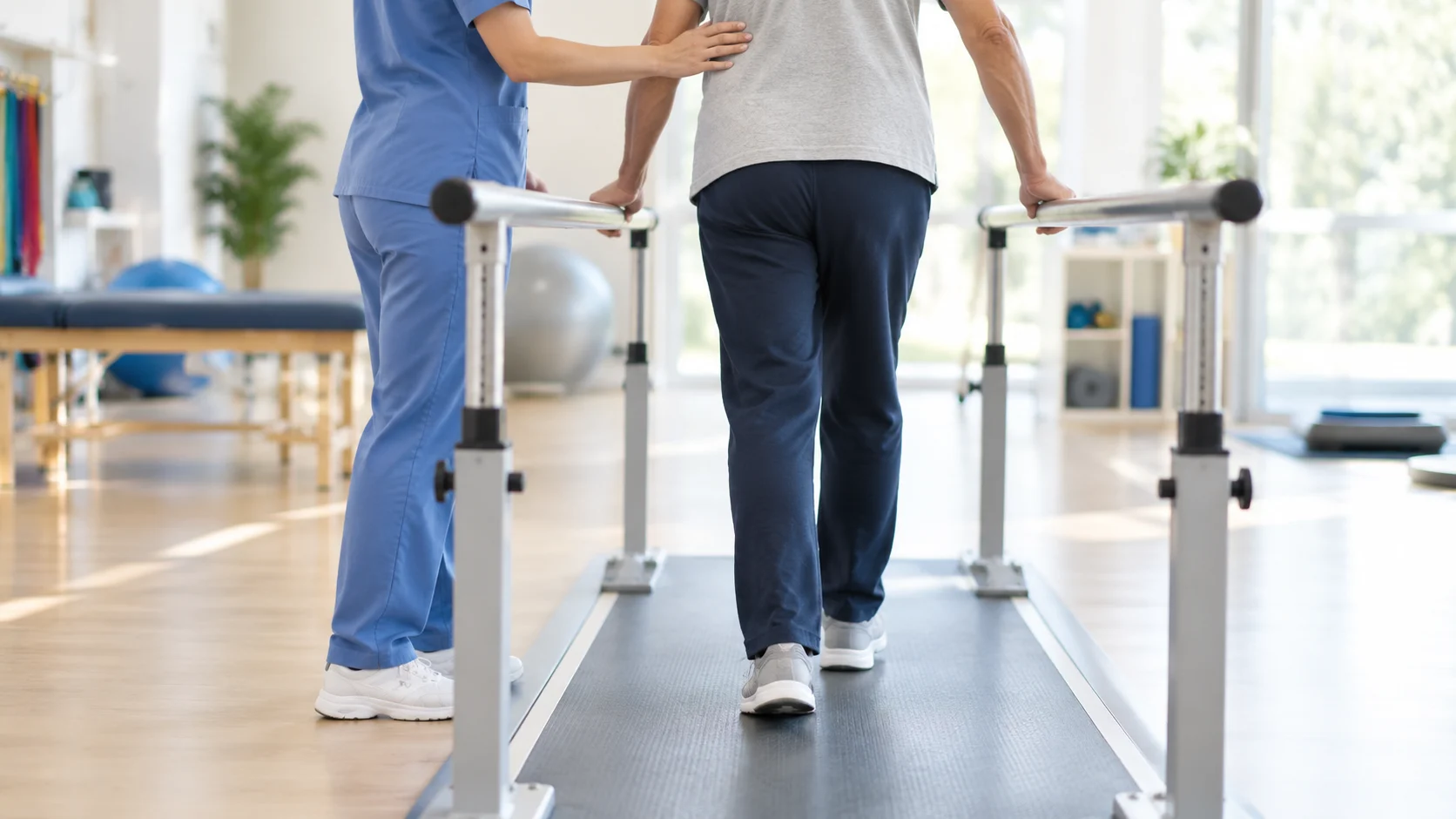
For rotator cuff tendinopathy and chronic shoulder issues, PRP has shown a slow and steady success profile. While initial recovery might be slower than surgery, studies show significant pain reduction at both 6 and 12 months, with functional improvements continuing to peak around the one-year mark.
Below is a summary of improvement rates based on pooled data from clinical trials investigating PRP therapy for knee and shoulder conditions.
| Timeframe | Knee OA Improvement (Pain/Function) | Shoulder Tendinopathy (Pain Reduction) |
|---|---|---|
| 6 Months | 53% – 60% Improvement | 50.7% Improvement |
| 12 Months | 63.9% – 71% Improvement | 66% Improvement |
| Success Metric | Significant reduction in WOMAC/VAS scores | Improved DASH/SPADI scores |
Also Read: Exercise After PRP Injections: A Complete Recovery Guide
Patient: Rajesh, 52-year-old active professional.
Condition: Grade II Knee Osteoarthritis and Chronic Rotator Cuff Tendinosis.
History: Rajesh had tried “lubrication” (HA) injections and physical therapy for 18 months with no lasting relief. His goal was to avoid surgery and return to his morning walks.
The Treatment: A series of three LR-PRP (Leukocyte-Rich) injections spaced two weeks apart at our Kolkata clinic.
The Outcome:
Rajesh’s case mirrors clinical findings: PRP is not a quick fix, but it is a durable one for chronic pain management.
The data is clear: for those seeking a sustainable alternative to surgery or repetitive steroid use, PRP therapy results offer a scientifically backed path to recovery. While the road to healing takes patience, the significant improvements in pain and mobility at the 12-month mark make PRP therapy for knee and shoulder pain a gold-standard choice in modern regenerative medicine.
At MRC Medical Rehabilitation Center, recognized as the best pain clinic in Kolkata, we don’t just provide an injection; we provide a comprehensive roadmap to recovery. Our expert team combines advanced regenerative techniques with holistic rehabilitation to ensure your body has everything it needs to heal from within.
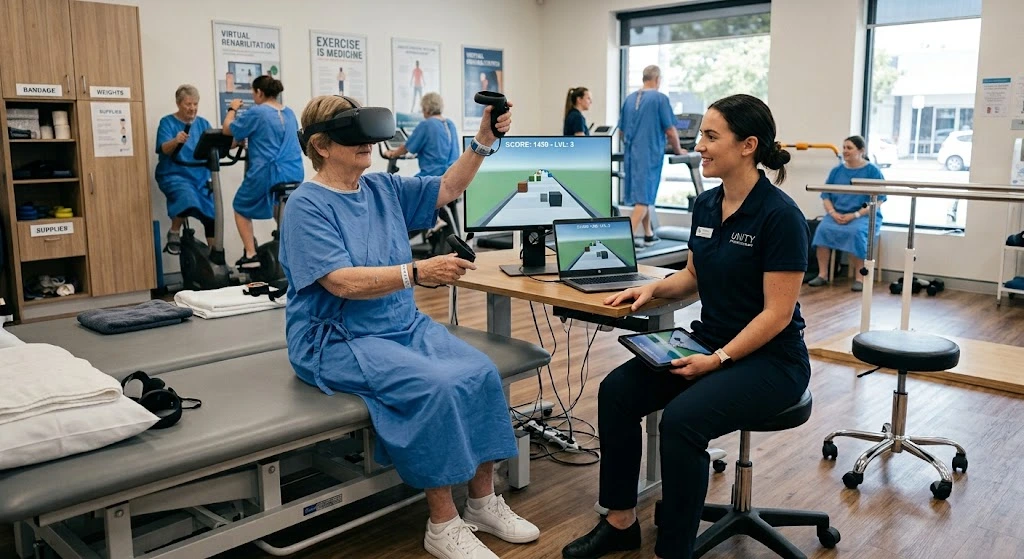
While we specialize in advanced PRP therapy for chronic pain management, our facility is a one-stop destination for diverse physical health needs, including:
Don’t let chronic pain dictate your lifestyle. Whether you are looking for a PRP injection for knee pain or a comprehensive post-surgical rehab plan, MRC is here to help you move better and live longer.
Visit MRC Kolkata Today or call us to schedule your consultation. Experience the fusion of science and care at the leading edge of rehabilitation.
Clinical data shows that the benefits of PRP for knee and shoulder pain typically last between 12 and 24 months, depending on the severity of the condition and the patient’s lifestyle (Di Martino et al., 2018).
While cortisone works faster (days), PRP has been shown to be superior at the 6 and 12-month marks. PRP helps heal the tissue, whereas cortisone primarily masks inflammation and can occasionally weaken tendons over time.
MRC (Medical Rehabilitation Center) is widely recognized as the best pain clinic in Kolkata, offering specialized regenerative protocols tailored to your specific injury.