Prosthetics vs. Orthotics: What’s the Difference and Who Needs Which?
Last updated on
by
MRC
When recovering from an injury, managing a chronic physical condition, or adjusting to life after surgery, regaining movement and independence becomes the top priority. In clinical rehabilitation, two specialized assistive devices frequently come up: prosthetics and orthotics.
While both fall under the domain of physical rehabilitation and mobility assistance, they serve fundamentally different purposes, address distinct anatomical needs, and rely on unique design mechanisms.
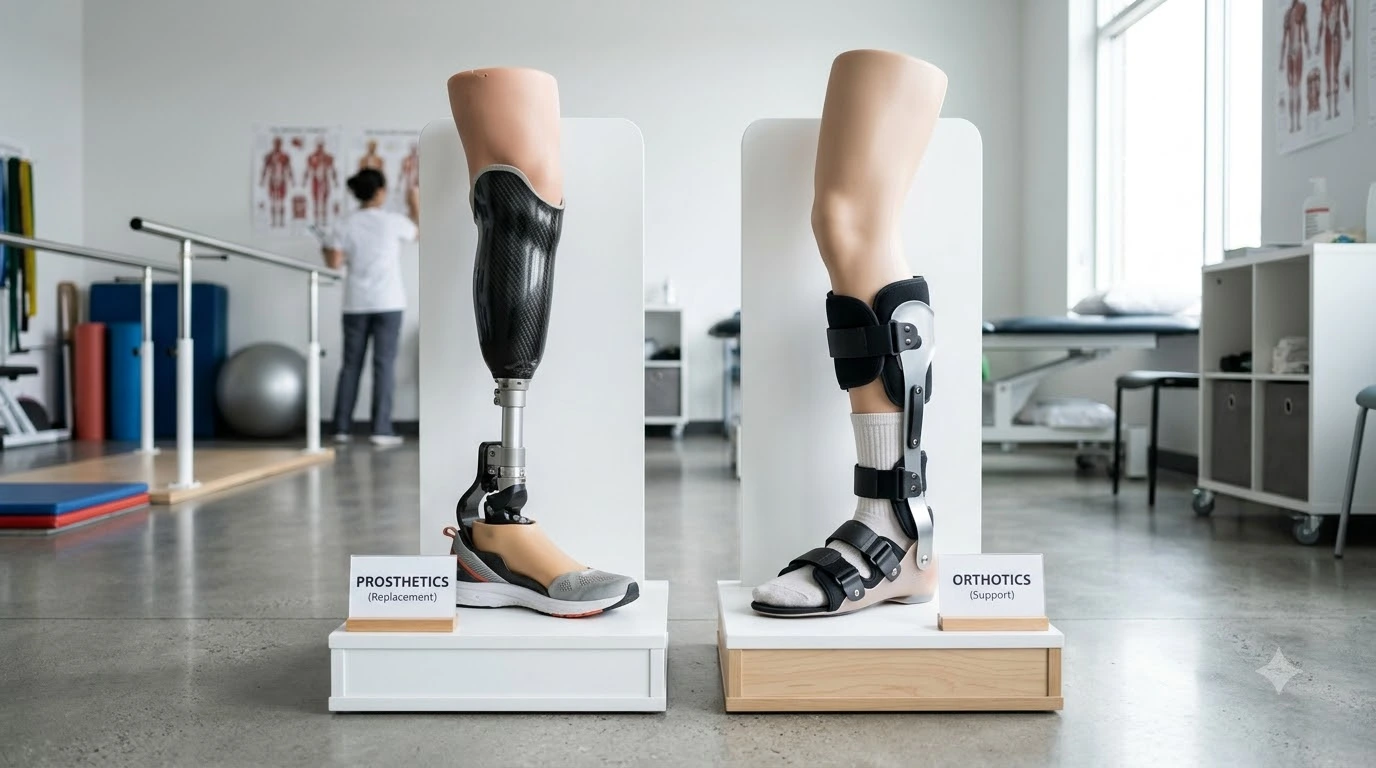
Core Difference: Replacement vs. Support
Understanding the fundamental technical distinction between a prosthetic and an orthotic is straightforward:
Prosthetics (Prostheses): Artificial devices designed to replace a missing body part or limb that has been lost due to amputation, congenital conditions, or severe trauma.
Orthotics (Orthoses): External devices designed to support, align, stabilize, or correct an existing, weakened, or painful body part.
Feature
Prosthetics
Orthotics
Primary Goal
Replaces a missing anatomical structure
Supports, corrects, or protects an existing body part
A prosthetic device functions as a functional and cosmetic stand-in for a missing limb. When do you need a prosthetic? You require a prosthetic when a limb or segment of a limb is surgically removed or missing from birth, and you need to restore lost functional abilities such as walking, grasping, or reaching.
Key Types of Prosthetic Devices
Prosthetic Leg (Lower Limb Prosthetics):
Transfemoral (Above-Knee): Replaces the knee joint, lower leg, and foot.
Transtibial (Below-Knee): Replaces the lower leg and foot while preserving the natural knee joint.
Prosthetic Arm (Upper Limb Prosthetics):
Transhumeral (Above-Elbow): Includes artificial elbow, forearm, and hand mechanisms.
Transradial (Below-Elbow): Replaces the forearm and hand.
Myoelectric Prosthetics: Advanced artificial limbs powered by electrical signals generated by muscle contractions in the residual limb.
Who Needs a Prosthetic?
Individuals who have undergone surgical amputation due to peripheral vascular disease, severe diabetes complications, or infections.
Trauma survivors (accident or injury-related limb loss).
Children born with congenital limb deficiencies.
What Is an Orthotic?
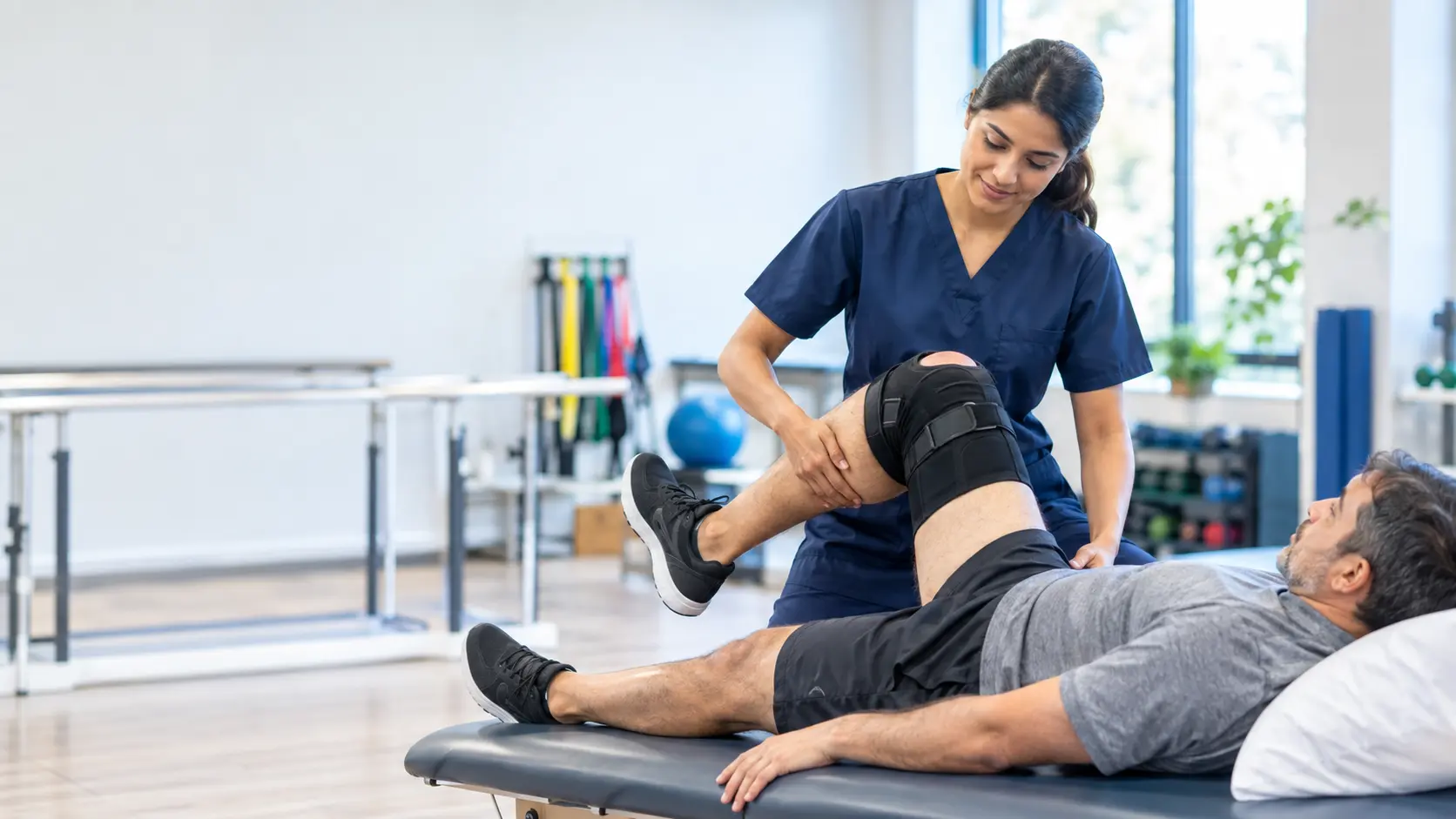
An orthotic device works alongside your natural body. When do you need an orthotic? You require an orthotic when a body segment is anatomically present but affected by pain, structural deformity, joint instability, or muscular weakness.
Orthotics for mobility support play a major role in preventing falls, facilitating gait recovery after neurological events, and alleviating chronic joint stress.
Key Types of Orthotic Devices
Orthotic Braces (Lower Limb & Upper Limb):
Prosthetic Leg vs Leg Brace: A prosthetic leg replaces an absent leg. In contrast, a leg brace fits around an existing leg to control joint movement, relieve osteoarthritic pain, or prevent foot drop.
Prosthetic Arm vs Arm Brace: A prosthetic arm takes the place of a missing arm, whereas an arm brace stabilizes a fractured or paretic (weakened) arm to assist healing and joint alignment.
Spinal Orthoses: Back braces designed to immobilize the spine post-surgery, manage scoliosis curvature, or relieve severe lower back pain.
Foot Orthotics: Custom shoe inserts crafted to redistribute weight, support arches, and correct gait abnormalities.
Who Needs an Orthotic?
Stroke survivors experiencing foot drop, spasticity, or limb weakness.
Patients suffering from severe joint pain, arthritis, ligament tears, or spinal disorders.
Individuals with neuromuscular diseases such as cerebral palsy, multiple sclerosis, or neuropathy.
Athletes recovering from acute sports injuries like ACL tears or ankle sprains.
Advanced Prosthetic & Orthotic Rehabilitation at MRC
Restoring full physical potential requires more than just acquiring a device; it demands comprehensive clinical fitting, gait retraining, and dedicated pain management. Medical Rehabilitation Center (MRC) is a premier pain management hospital in Kolkata, offering integrated orthotic, prosthetic, and neuro-rehabilitation care.
At MRC Kolkata, patient care is driven by an interdisciplinary team of physiatrists, orthotists, prosthetists, physical therapists, and pain relief specialists:
Custom Appliance Fitting & Alignment: Expert prescription and precision fabrication of custom orthotic braces and prosthetic limbs tailored to individual body mechanics.
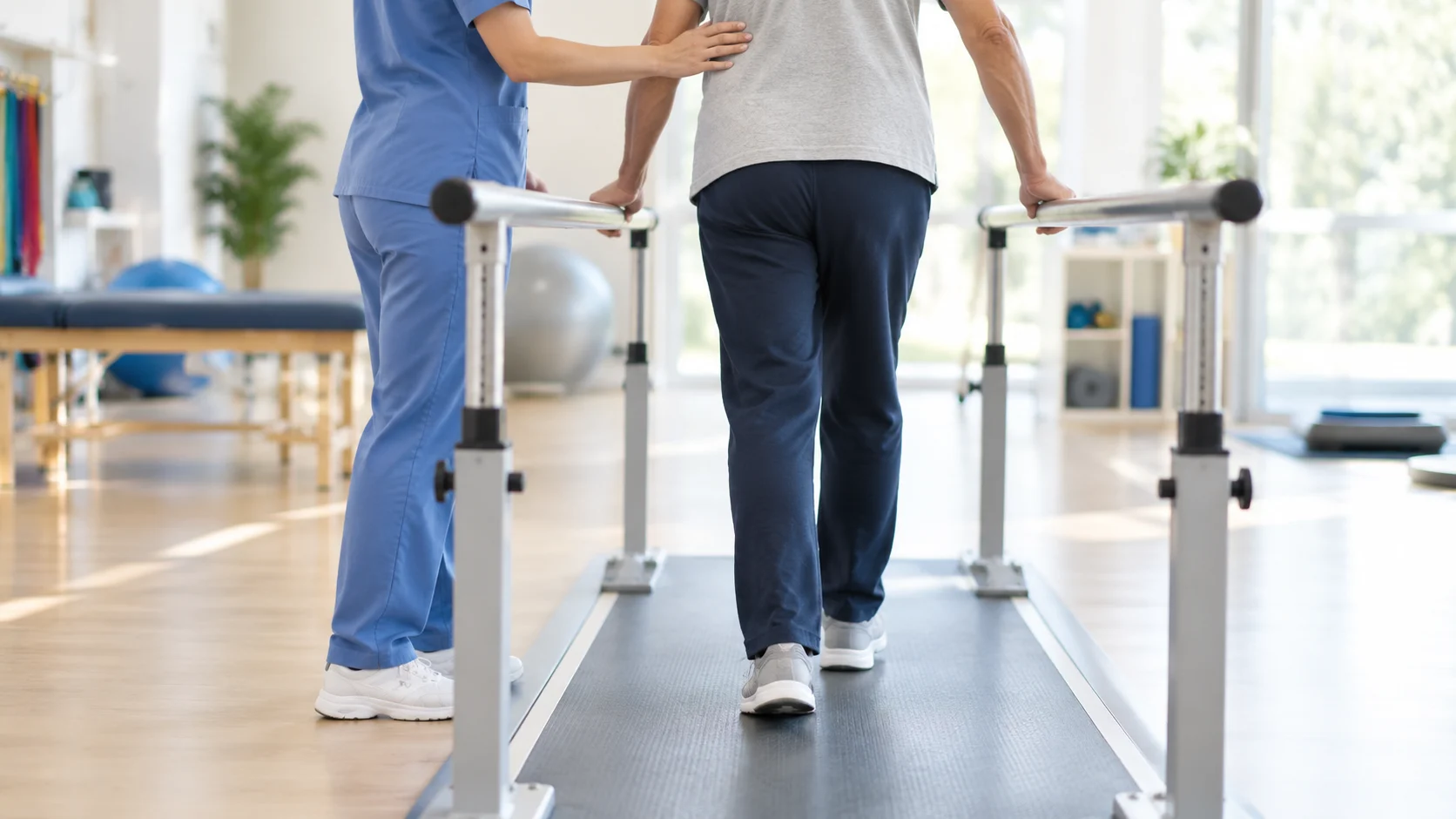
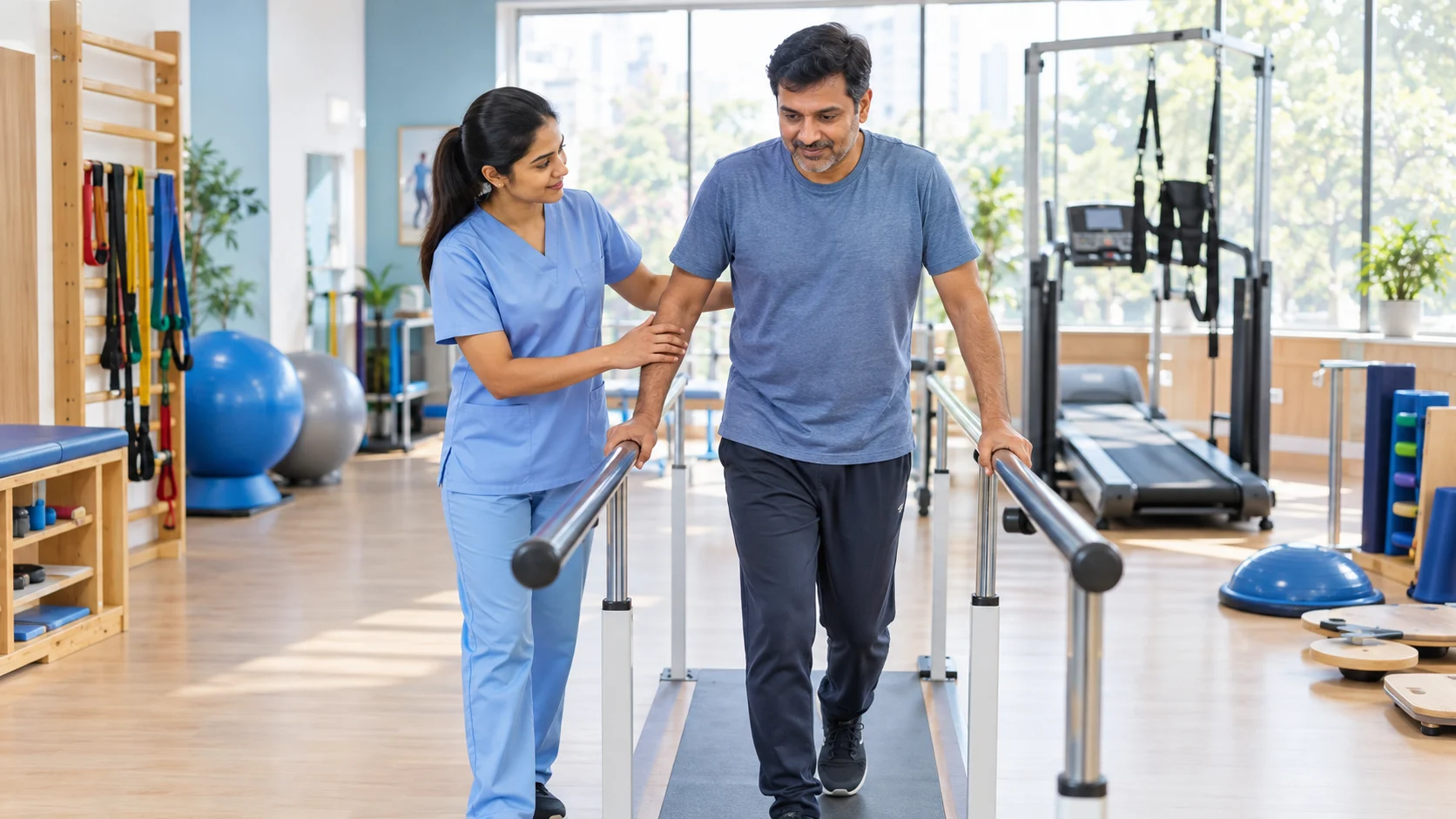
Targeted Gait & Mobility Training: Dedicated rehabilitation programs to help patients adapt smoothly to lower limb prosthetics or orthotics for mobility support.
Comprehensive Pain & Stump Management: Specialized clinical interventions for phantom limb pain, residual limb sensitivity, and chronic joint pain.
Post-Stroke & Neurological Rehab: Specialized brace fitting (such as AFOs) coupled with physical therapy to correct foot drop and post-stroke joint stiffness.
Whether recovering from an amputation or seeking stability for a painful joint, MRC Kolkata provides the medical expertise and compassionate care necessary to restore motion and independence.
Frequently Asked Questions
What is the main difference between a prosthetic leg vs leg brace?
A prosthetic leg replaces a missing leg that has been amputated. A leg brace is an orthotic worn over an existing leg to provide stability, correct gait, or relieve joint pain.
Who needs a prosthetic compared to who needs an orthotic?
Anyone with a missing limb or digit due to trauma, surgery, or birth conditions needs a prosthetic. Anyone with an existing but weakened, painful, or misaligned limb needs an orthotic.
Can an orthotic help with post-stroke walking problems?
Yes. Custom orthotics like Ankle-Foot Orthoses (AFOs) are widely used after a stroke to stabilize weak ankles, prevent foot drop, and restore safe walking mechanics.
Why choose MRC for orthotic and prosthetic rehabilitation in Kolkata?
MRC is a leading pain management hospital in Kolkata offering a holistic rehab ecosystem—combining expert fitting, pain management, and physical therapy under one roof.