Last updated on by MRC
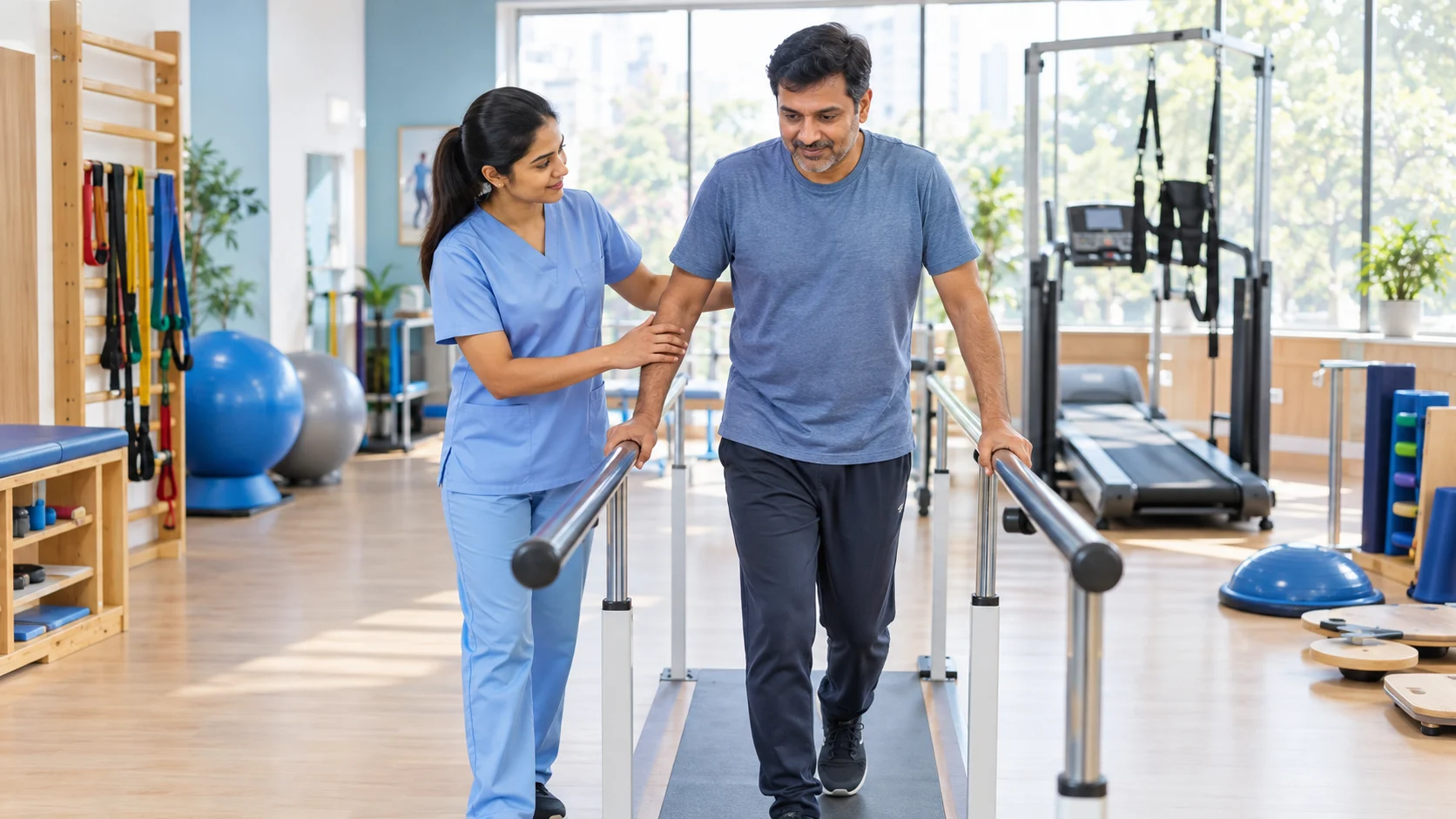
The transition from a hospital to home is a defining moment for stroke survivors. While the clinical phase provides the foundation, the real rewiring of the brain occurs during the thousands of repetitions performed in a home environment.
At the Medical Rehabilitation Center, we emphasize that rehabilitation after stroke must be functional. We believe in using tools that simulate real-life tasks to ensure that the progress made in the clinic translates into independence at home.
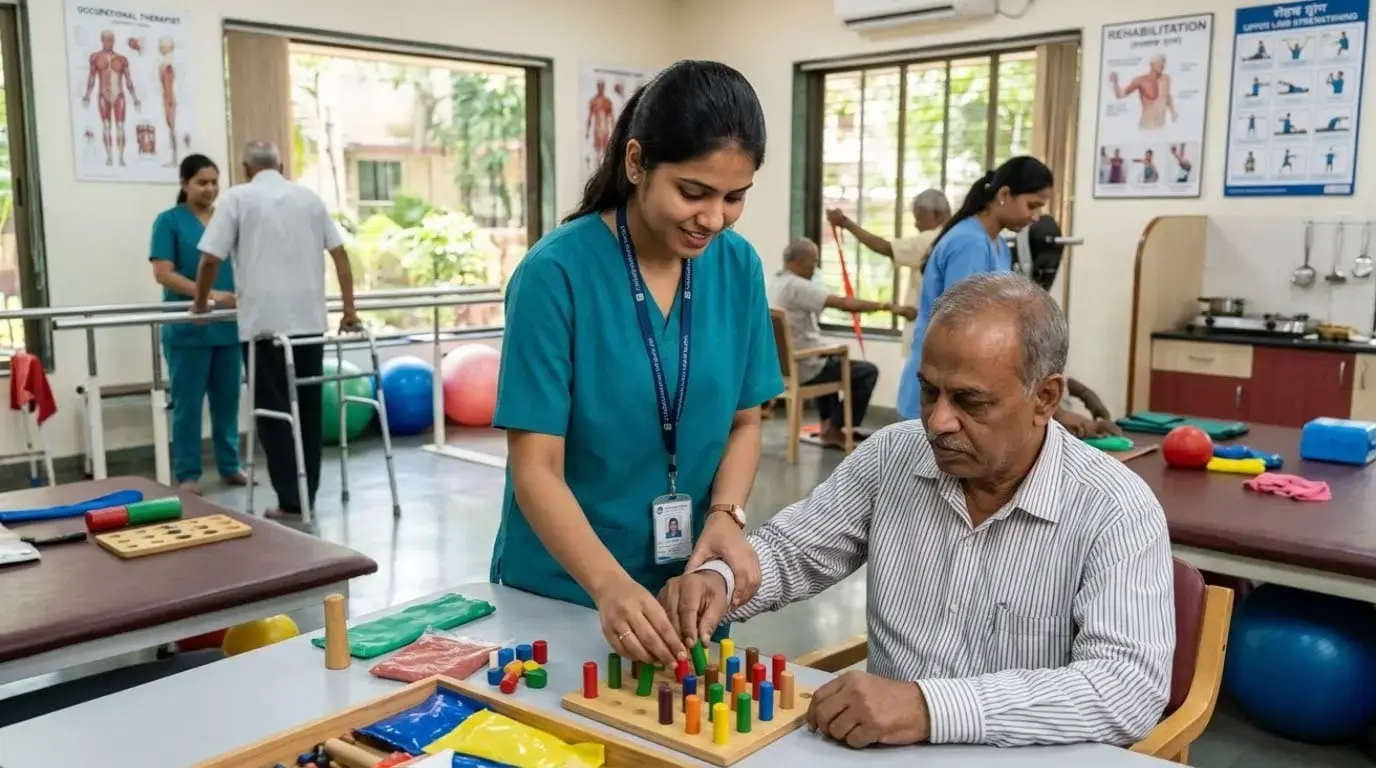
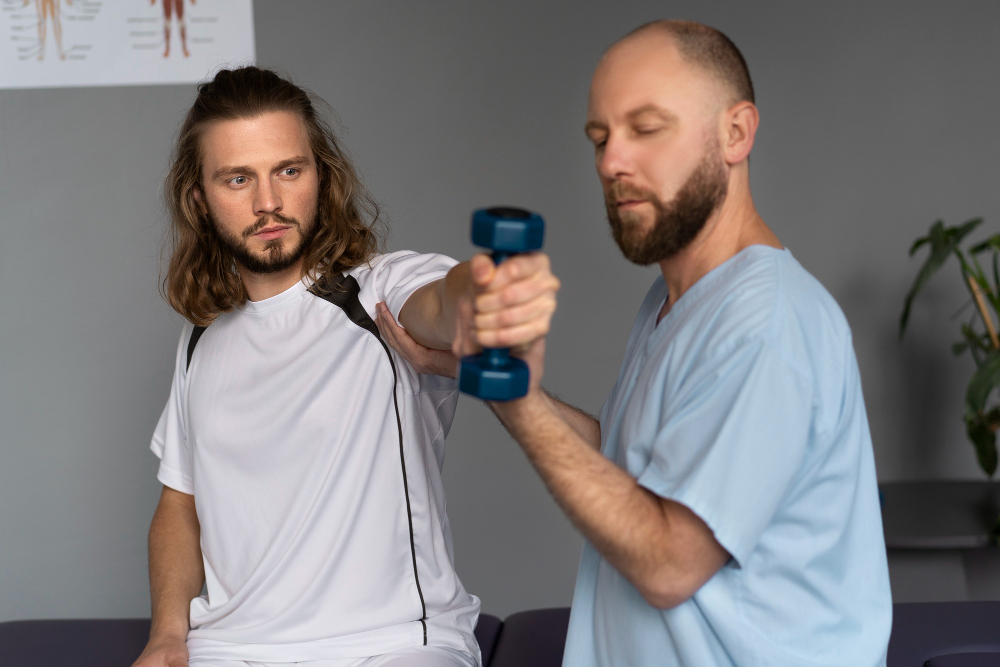
Regaining muscle strength after a stroke is not just about lifting weights; it is about functional resistance. Clinical tools like the BTE PrimusRS set the gold standard by simulating tasks like turning a doorknob or using a wrench. At home, you can extend this logic:
The MRC Tip: Focus on Closed Kinetic Chain exercises where your hand or foot is fixed against a surface (like a wall push-up) to increase joint stability.
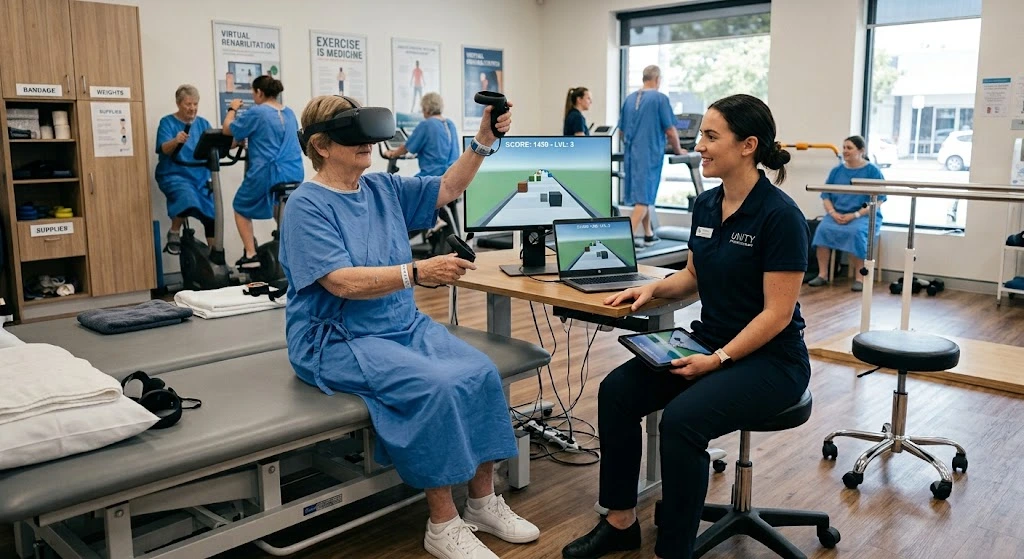
One of the biggest hurdles in home rehab is boredom. Modern stroke rehabilitation technology has solved this through Exergaming.
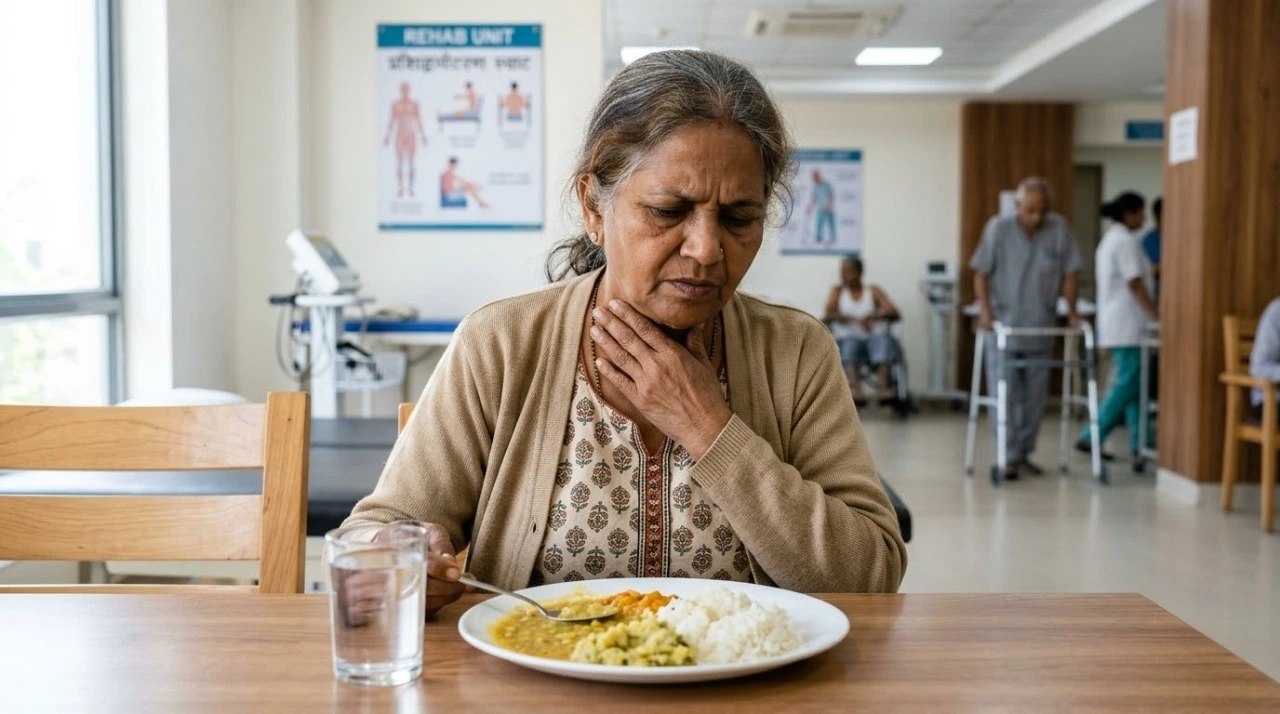
Communication is the cornerstone of independence. Speech rehabilitation after stroke at home should be interactive:
Post-stroke pain can derail physical therapy. If you are searching for the best pain clinic in Kolkata, look for facilities like MRC that offer interventional pain management. We address Central Post-Stroke Pain and shoulder subluxation using evidence-based protocols, ensuring you can participate in your exercises pain-free.
Check out our blog: The Role of Wearable Technology in Monitoring Rehabilitation Progress
At MRC, we bridge the gap between Treatment and Life. Our center is equipped with the latest stroke rehabilitation technology, from Stand-in-Frames and Balancing Boards to advanced Bio-Feedback units.
At MRC, we go beyond providing a simple list of exercises; we design a customized Functional Road Map for every survivor. Whether you require intensive inpatient rehabilitation after a stroke or a guided home-extension plan, our multidisciplinary team of MDs, Physiotherapists, and Occupational Therapists provides unwavering support.
As the best pain clinic in Kolkata for neurological cases, we integrate advanced stroke rehabilitation technology, electrotherapy, and targeted medical interventions to effectively manage post-stroke shoulder and limb pain, ensuring your path to recovery is both smooth and pain-free.
Ready to reclaim your independence? Explore our specialized Stroke Rehab Services here.
Functional rehab focuses on movements you actually use in daily life—like reaching for a cup or standing up. Tools like the BTE PrimusRS are designed specifically to simulate these tasks, making recovery more practical than traditional gym exercises.
Gaming (Exergaming) provides high-repetition practice in an engaging format. It forces the brain to make quick decisions and coordinated movements, which accelerates neuroplasticity.
Absolutely. As the best pain clinic in Kolkata for neurological cases, we use a combination of electrotherapy, specialized exercises, and medical interventions to manage post-stroke shoulder and limb pain.
Yes. The brain remains capable of learning. Consistent speech rehabilitation after stroke, especially when combined with cognitive tools, can show results even years into recovery.