Last updated on by MRC
Physiotherapy is evolving with advanced rehabilitation technologies and patient-centered treatment approaches. The latest trends in physical therapy, including wearable devices, AI-assisted assessments, and tele-rehabilitation, are helping physiotherapists deliver more personalized care, improve recovery monitoring, and support better treatment outcomes for patients.
Physiotherapy is on the brink of a new era, evolving with groundbreaking innovations and advanced technologies that are redefining patient care. These trends are enhancing treatment effectiveness and making rehabilitation more personalized and accessible.
One of the most exciting new trends in physiotherapy is the integration of wearable technology in healthcare. Devices such as smart sensors, fitness trackers, and advanced wearables are becoming invaluable tools for physiotherapists. These gadgets provide real-time data on patient movement, muscle activity, and recovery progress, allowing for more accurate assessments and personalized treatment plans.
Tele-rehabilitation has become one of the most significant trends in physical therapy, especially after the COVID-19 pandemic. Using digital platforms, physiotherapists can provide remote care while wearables such as smartwatches, IMU-based bands, and smart clothing help track steps, gait, heart rate, and activity levels in real time.
This makes it easier for therapists to monitor patient progress between sessions and adjust treatment plans while patients continue recovery from the comfort of their homes.
Artificial intelligence (AI) and machine learning are making significant strides in physical therapy, particularly in diagnostics and personalized treatment planning. These technologies analyze vast amounts of data to identify patterns and predict patient outcomes.
The current physical therapy trends emphasize personalized rehabilitation programs customized to each patient’s unique needs. Advances in technology and data analysis enable physiotherapists to create highly customized treatment plans.
Latest physiotherapy techniques also include the development of innovative treatment modalities and techniques that offer novel approaches to rehabilitation.
A shift towards preventative care is one of the future trends in rehabilitation. Rather than solely focusing on treating injuries, there is a growing emphasis on preventing them through education and proactive measures.
The latest trends in physical therapy also highlight the importance of collaborative care models, where physiotherapists work alongside other healthcare professionals to provide comprehensive treatment.
Incorporating the latest trends in physiotherapy is only part of the equation; effective treatment also relies on expert guidance. Physiotherapists play a crucial role in interpreting data, selecting appropriate technologies, and tailoring treatment plans to individual needs. Their expertise ensures that the innovations in physical therapy are applied effectively, maximizing patient benefits and achieving optimal outcomes. Professional guidance bridges the gap between advanced technology and practical, personalized care, ensuring that every patient receives the most suitable treatment for their condition.
Selecting the best pain clinic in Kolkata can play an important role in improving recovery outcomes for patients dealing with chronic pain, paralysis, sports injuries, post-surgical stiffness, and mobility issues. An experienced physiotherapy center not only focuses on pain relief but also helps restore movement, strength, and daily functionality through personalized rehabilitation programs. Advanced treatment approaches such as manual therapy, exercise-based rehabilitation, electrotherapy, and movement assessment help physiotherapists identify the root cause of discomfort and create targeted treatment plans. Access to trained specialists, modern rehabilitation techniques, and continuous patient monitoring can also support faster recovery and long-term physical wellness.
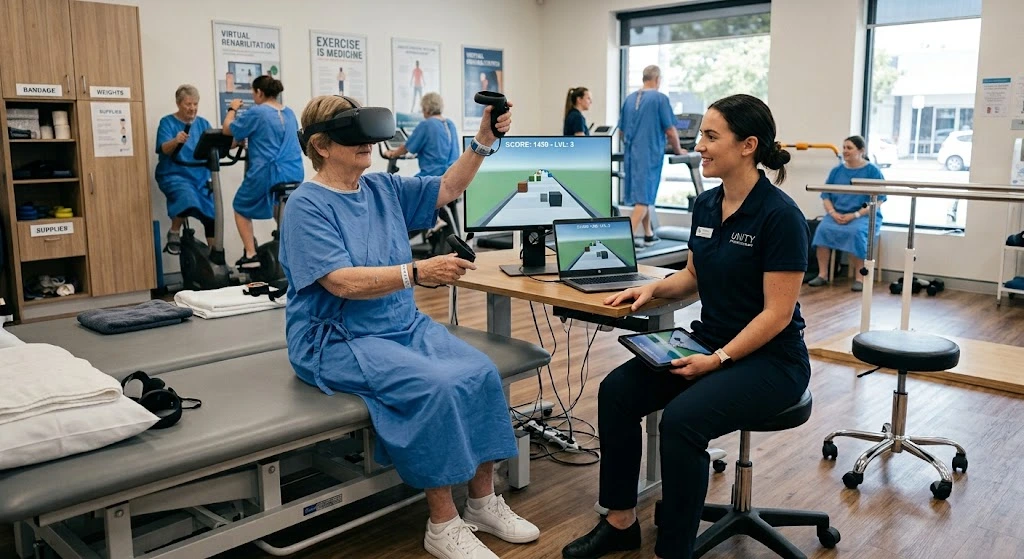
Emerging trends in physiotherapy include AI-assisted rehabilitation, wearable devices, tele-rehabilitation, VR-based therapy, robotic rehabilitation, and personalized treatment programs.
Wearables track movement, posture, muscle activity, and recovery progress in real time, helping physiotherapists monitor patients more accurately.
Tele-rehabilitation allows patients to receive physiotherapy consultations, exercise guidance, and progress monitoring remotely through digital platforms.
AI helps analyze patient data, improve diagnosis accuracy, predict recovery outcomes, and create personalized rehabilitation plans.