Last updated on by MRC
Knee osteoarthritis is becoming an increasingly important public health concern in India. A 2025 systematic review and meta-analysis published in the Indian Journal of Orthopaedics estimated the pooled prevalence of knee osteoarthritis at 20.24%, based on 16 community-based studies conducted across urban and rural India. The researchers also identified advancing age, female sex and previous knee injuries among the commonly reported risk factors. Although the findings vary across populations and study methods, they highlight the growing need for effective knee pain management.
Among the available non-surgical treatment approaches, Platelet-Rich Plasma (PRP) therapy has gained attention for managing knee osteoarthritis and certain musculoskeletal injuries. However, not all PRP preparations are identical. Depending on how the plasma is processed, its cellular composition and platelet concentration can differ, influencing its potential applications.
Understanding the different types of PRP for knee pain helps patients make informed decisions about treatment. From leukocyte-poor formulations to leukocyte-rich plasma, each preparation has distinct characteristics that may make it more suitable for particular tissue conditions.
Also Read: Understanding Knee Pain: Causes, Symptoms & Best Treatment Options
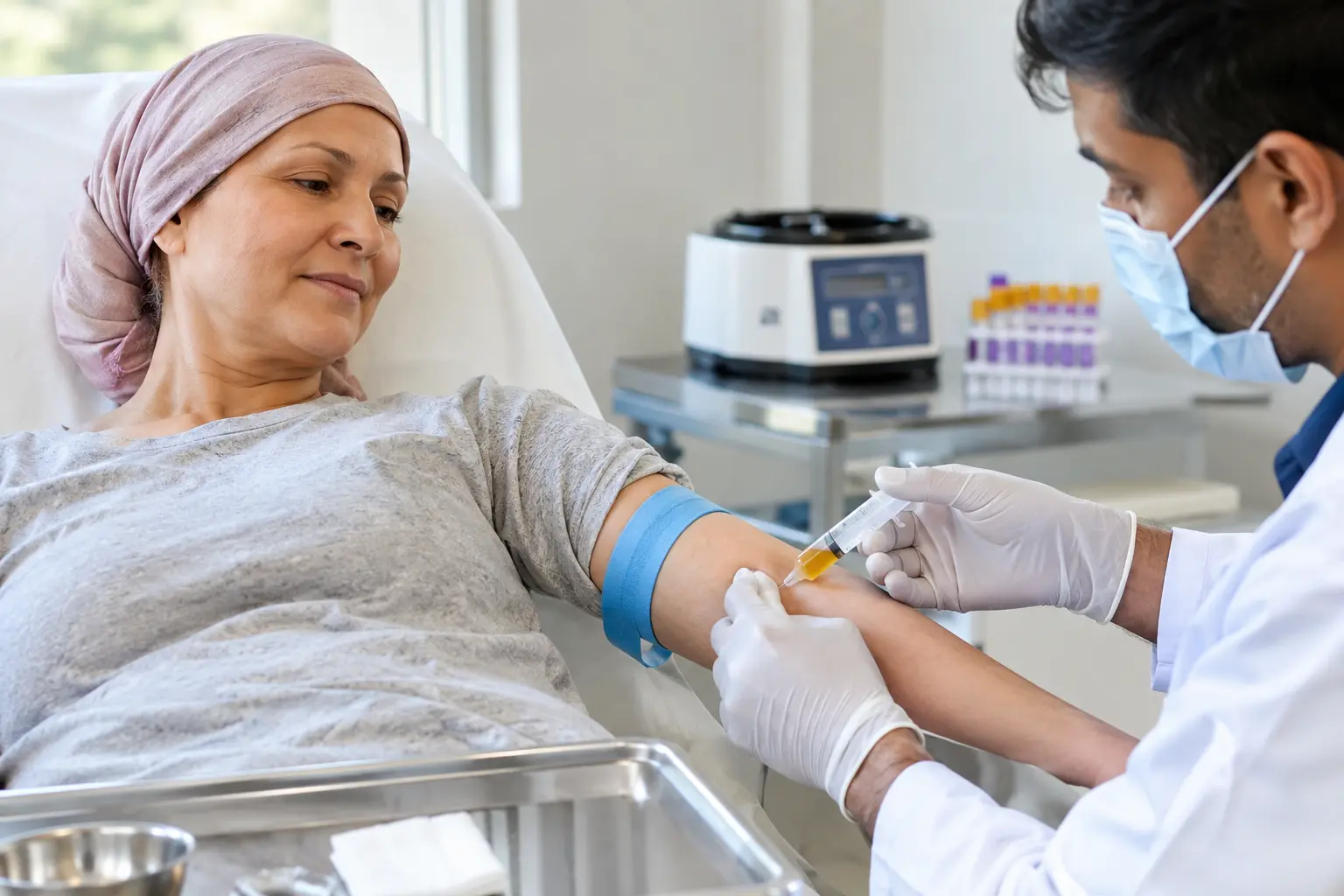
Platelet-Rich Plasma (PRP) is a biological preparation derived from a patient’s own blood. It contains a higher concentration of platelets than normal blood, along with growth factors and other proteins involved in the body’s natural healing processes.
Platelets are best known for their role in blood clotting. However, they also release biological signalling molecules that participate in tissue repair, inflammation regulation and cellular activity.
The preparation process generally involves three steps:
When used for knee osteoarthritis, PRP aims to influence the joint’s inflammatory environment and support pain reduction and functional improvement. It may help some patients experience better mobility and reduced stiffness, particularly in mild-to-moderate osteoarthritis.
However, PRP does not guarantee cartilage regeneration or reverse advanced joint damage. Its effectiveness depends on the patient’s condition, the preparation used and other clinical factors.
PRP formulations are commonly classified according to their white blood cell (leukocyte) content. The two widely discussed types are Leukocyte-Poor PRP (LP-PRP) and Leukocyte-Rich PRP (LR-PRP).
The distinction is important because white blood cells participate in inflammatory responses. Depending on the tissue being treated, the presence or absence of these cells may influence the treatment response.
Let’s understand the major formulations and their potential applications.
Leukocyte-Poor PRP, also called Pure Platelet-Rich Plasma (P-PRP), contains concentrated platelets with a relatively low number of white blood cells.
During preparation, the blood components are separated to obtain a platelet-rich fraction while minimising the inclusion of leukocytes.
In an arthritic knee, inflammation within the joint can contribute to pain, swelling and cartilage breakdown. White blood cells release inflammatory substances that may influence this environment.
LP-PRP aims to deliver platelet-derived growth factors while limiting the additional inflammatory cells introduced through the injection.
Potential applications:
LP-PRP is often preferred by clinicians for intra-articular joint injections because of its lower leukocyte content. The objective is to support a favourable joint environment without unnecessarily increasing inflammation.
However, its superiority over other PRP formulations has not been conclusively established.
Leukocyte-Rich PRP contains a higher concentration of white blood cells alongside concentrated platelets.
Unlike LP-PRP, this formulation retains more leukocytes during the blood separation process.
White blood cells participate in the body’s immune and inflammatory responses. They release signalling molecules that influence how tissues respond to injury.
In certain tendon injuries, controlled inflammatory signalling may contribute to the tissue’s repair response. LR-PRP contains these additional cells, which may influence the biological environment at the treatment site.
Potential applications:
The presence of additional leukocytes can influence local inflammation. Therefore, LR-PRP may be considered in selected tendon-related conditions, whereas clinicians may prefer lower-leukocyte formulations for some joint conditions.
It is important to understand that LR-PRP is not automatically more effective because it contains more white blood cells. Its suitability depends on the injured tissue and the patient’s clinical condition.
Platelet-Rich Fibrin (PRF) is another platelet-based biological preparation, but it is not exactly the same as conventional injectable PRP.
While standard PRP generally has a liquid plasma component with concentrated platelets, PRF contains a fibrin matrix. Fibrin is a protein involved in blood clot formation and provides a structural framework that can retain platelets and other biological components.
The fibrin network acts as a biological scaffold. It can retain platelets and release certain growth factors over time, depending on the preparation method.
PRF formulations can also vary according to their leukocyte content and preparation technique.
Potential applications:
Is PRF commonly used for knee osteoarthritis?
PRF is not interchangeable with conventional injectable PRP for knee osteoarthritis. Its clinical applications and supporting evidence differ. Therefore, the treating specialist must determine whether a particular fibrin-based preparation is appropriate for the condition.
Although these preparations share a connection with platelet-based biological therapy, their compositions and intended applications are different.
| Comparison | LP-PRP | LR-PRP | PRF |
|---|---|---|---|
| Full form | Leukocyte-Poor PRP | Leukocyte-Rich PRP | Platelet-Rich Fibrin |
| White blood cells | Low | Higher | Depends on formulation |
| Fibrin structure | Low-density plasma preparation | Low-density plasma preparation | Dense fibrin matrix |
| Main characteristic | Minimises leukocyte content | Retains additional leukocytes | Provides a fibrin scaffold |
| Potential applications | Selected joint conditions | Selected tendon injuries | Selected tissue repair procedures |
Choosing the right plasma therapy for knee pain requires more than identifying the type of PRP available. A specialist must first understand the underlying cause of discomfort and assess whether the patient is likely to benefit from the procedure.
Several factors influence this decision.
Knee osteoarthritis can range from early cartilage degeneration to advanced joint damage.
PRP may be considered as a non-surgical treatment option for selected patients with mild-to-moderate knee osteoarthritis. However, patients with severe cartilage loss or significant structural damage may require other interventions.
The inflammatory condition of the joint is another important consideration.
A joint affected by osteoarthritis may already have an inflammatory environment. In such cases, a specialist may consider LP-PRP to minimise additional leukocyte-related inflammatory signalling.
For certain tendon injuries, LR-PRP may be considered because of its different cellular composition.
Not every knee condition originates within the joint itself.
For example, patellar tendinopathy affects the tendon connecting the kneecap to the shinbone. Knee osteoarthritis, on the other hand, involves degeneration of the joint structures.
Since these conditions affect different tissues, the treatment approach and PRP formulation may also differ.
A patient’s age, medical history, platelet count, medications and existing health conditions can influence treatment suitability.
Patients taking blood-thinning medication or those with certain blood disorders should discuss their medical history with the treating specialist before undergoing PRP therapy.
Doctors may also review whether the patient has previously tried physiotherapy, medication, activity modification or other non-surgical interventions.
PRP is generally considered as part of a broader treatment plan rather than an automatic first-line solution for every type of knee pain.
Research into PRP for knee osteoarthritis continues to evolve. While several studies have reported improvements in pain and physical function, differences in preparation methods, platelet concentrations, injection schedules and patient selection make direct comparisons challenging.
A systematic review and network meta-analysis published in 2026 examined 21 randomised controlled trials involving 2,254 patients with knee osteoarthritis.
The findings indicated that both leukocyte-rich and leukocyte-poor PRP demonstrated improvements in knee function compared with placebo. However, the direct comparison between the two formulations did not establish a statistically significant difference in effectiveness.
The researchers also highlighted the need for more consistent evidence to determine whether one formulation offers a clear advantage over another.
The American Academy of Orthopaedic Surgeons (AAOS) also acknowledges the potential of PRP for selected patients with low-to-moderate knee osteoarthritis while noting that further research is required to establish its effectiveness and determine the differences between formulations.
This reinforces an important point: the best PRP treatment is not necessarily the one with the highest platelet concentration or the most complex preparation. It is the one selected according to the patient’s condition, clinical evidence and treatment goals.
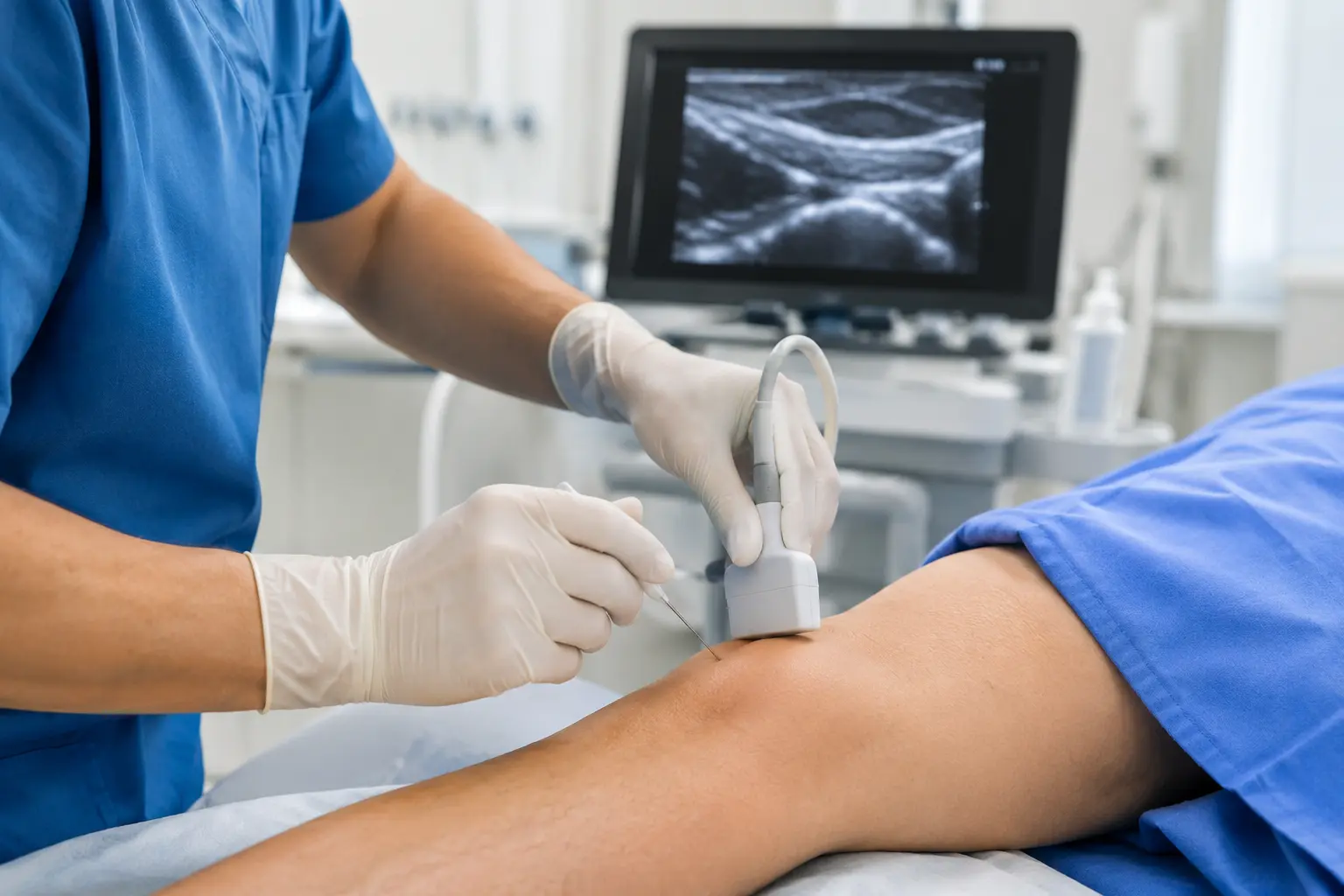
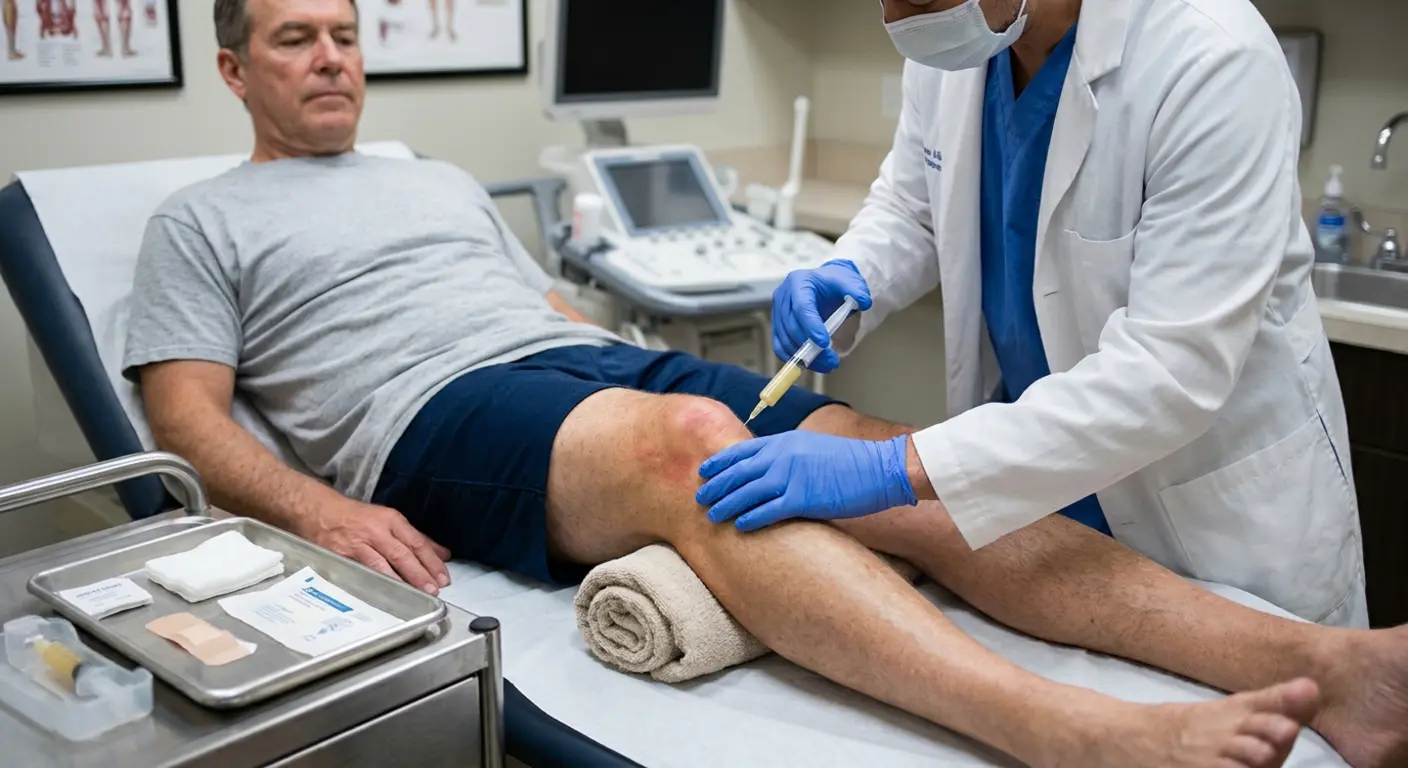
PRP is generally performed as a minimally invasive, day-care procedure. However, recovery and response vary from one patient to another.
Some patients may experience temporary soreness, swelling or discomfort around the injection site. These symptoms usually settle with appropriate post-procedure care.
Following the injection, patients may be advised to:
PRP is not an instant pain-relief treatment. Improvement, when it occurs, may develop gradually over several weeks. The response also depends on the severity of the knee condition and the patient’s overall health.
At the Medical Rehabilitation Centre (MRC), the pain management clinic in Kolkata, PRP therapy is offered as part of a broader approach to managing chronic joint pain, tendon injuries and mobility-related conditions. With a focus on neuro-orthopaedic rehabilitation and pain management, MRC combines medical evaluation with individualised treatment planning. Its rehabilitation approach is supported by Physical Medicine and Rehabilitation specialists and a multidisciplinary team that considers the patient’s condition, functional limitations and recovery goals. Rather than treating an injection as an isolated solution, the focus remains on improving movement, managing pain and supporting functional recovery through appropriate rehabilitation. For individuals considering PRP treatment for knee pain, a specialist consultation at MRC can help determine whether the procedure is suitable and which treatment approach may be appropriate.
Different PRP formulations offer different biological characteristics, making their selection an important part of personalised treatment planning. While LP-PRP is frequently considered for joint conditions and LR-PRP for selected tendon injuries, neither formulation is universally superior. PRF also represents a distinct platelet-based preparation with different applications.
For individuals experiencing persistent knee pain, understanding these differences is a useful first step towards making informed treatment decisions. A proper diagnosis, assessment of joint health and an evidence-based treatment plan remain essential for achieving meaningful improvements in mobility and quality of life.
If knee pain is affecting your everyday activities, consult a specialist to understand the available treatment options. Visit MRC’s Blogs and News section for more authentic and helpful information on pain management, orthopaedic treatments and rehabilitation.
Leukocyte-Poor PRP (LP-PRP) is commonly considered for knee osteoarthritis because it contains fewer white blood cells, potentially limiting additional inflammatory responses within the joint. However, current research has not established that it is definitively superior to Leukocyte-Rich PRP for every patient.
The primary difference is their white blood cell content. LP-PRP contains fewer leukocytes and is frequently considered for joint injections, while LR-PRP contains more leukocytes and may be used for selected tendon injuries. Their suitability depends on the tissue being treated and the patient’s condition.
PRP therapy may help selected patients with mild-to-moderate knee osteoarthritis experience pain reduction and improved function. However, its effectiveness in advanced osteoarthritis is less established. Patients with severe cartilage damage may require alternative treatment options, including surgical evaluation.
Some patients begin noticing improvements over several weeks, although the response varies depending on the severity of the condition, PRP formulation and individual healing response. PRP is not an immediate pain-relief treatment, and follow-up rehabilitation may be necessary to improve functional outcomes.