Last updated on by MRC
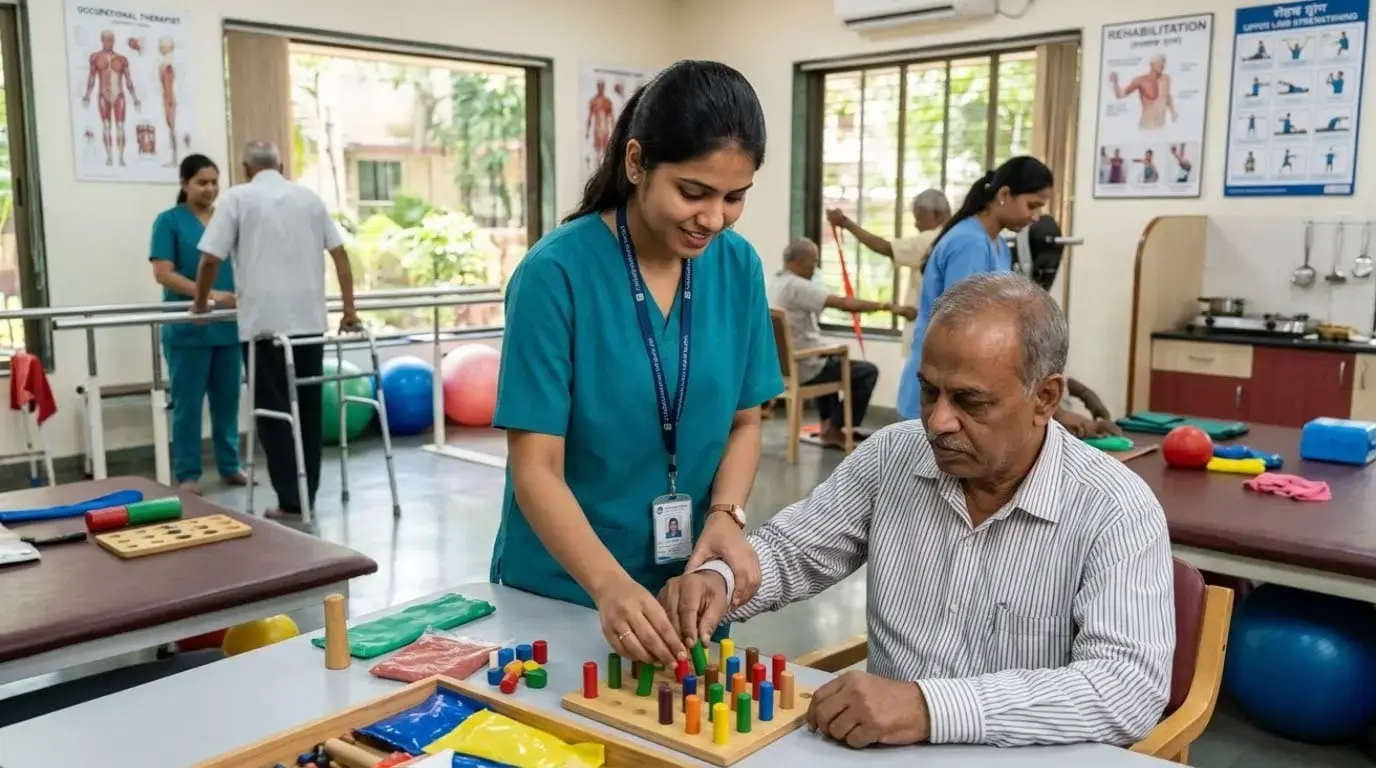
Physiotherapy and occupational therapy are essential components of rehabilitation for people experiencing difficulties with movement, coordination, physical function or everyday activities. These therapies support individuals recovering from injuries, managing chronic conditions or adapting to disabilities that affect their independence and quality of life.
The conditions treated by physiotherapists and occupational therapists range from neurological disorders, such as stroke and spinal cord injuries, to musculoskeletal problems, developmental conditions, chronic pain and age-related functional limitations. In many cases, both therapies are integrated into a rehabilitation programme to address the patient’s physical limitations and everyday functional needs.
Understanding which conditions may benefit from these therapies can help patients, caregivers and families make informed decisions about rehabilitation. This guide covers the major conditions treated through physiotherapy and occupational therapy, explains how the two disciplines complement each other, and outlines their role in supporting recovery and functional independence.
Also Read: How Rehabilitation Aids in Reducing Stroke Recurrence and Supporting Lasting Recovery
Neurological conditions affect the brain, spinal cord or peripheral nerves, often causing weakness, impaired coordination, balance problems or reduced independence.
Physiotherapy supports movement, strength and balance, while occupational therapy focuses on daily living skills, hand function and independence.
These conditions affect bones, joints, muscles, tendons and ligaments, often causing pain, stiffness and restricted movement.
Physiotherapy helps restore strength, mobility and physical function. Occupational therapy supports safe task performance, joint protection and adaptation of daily activities.
Children may need rehabilitation when developmental, neurological or physical difficulties affect movement, learning, play or self-care.
Physiotherapy supports gross motor skills and mobility, while occupational therapy helps develop fine motor skills, self-care and participation in age-appropriate activities.
For ADHD and autism, therapy should address individual functional needs and form part of an appropriate, multidisciplinary care plan.
Older adults may experience reduced strength, balance, endurance and independence due to ageing or medical conditions.
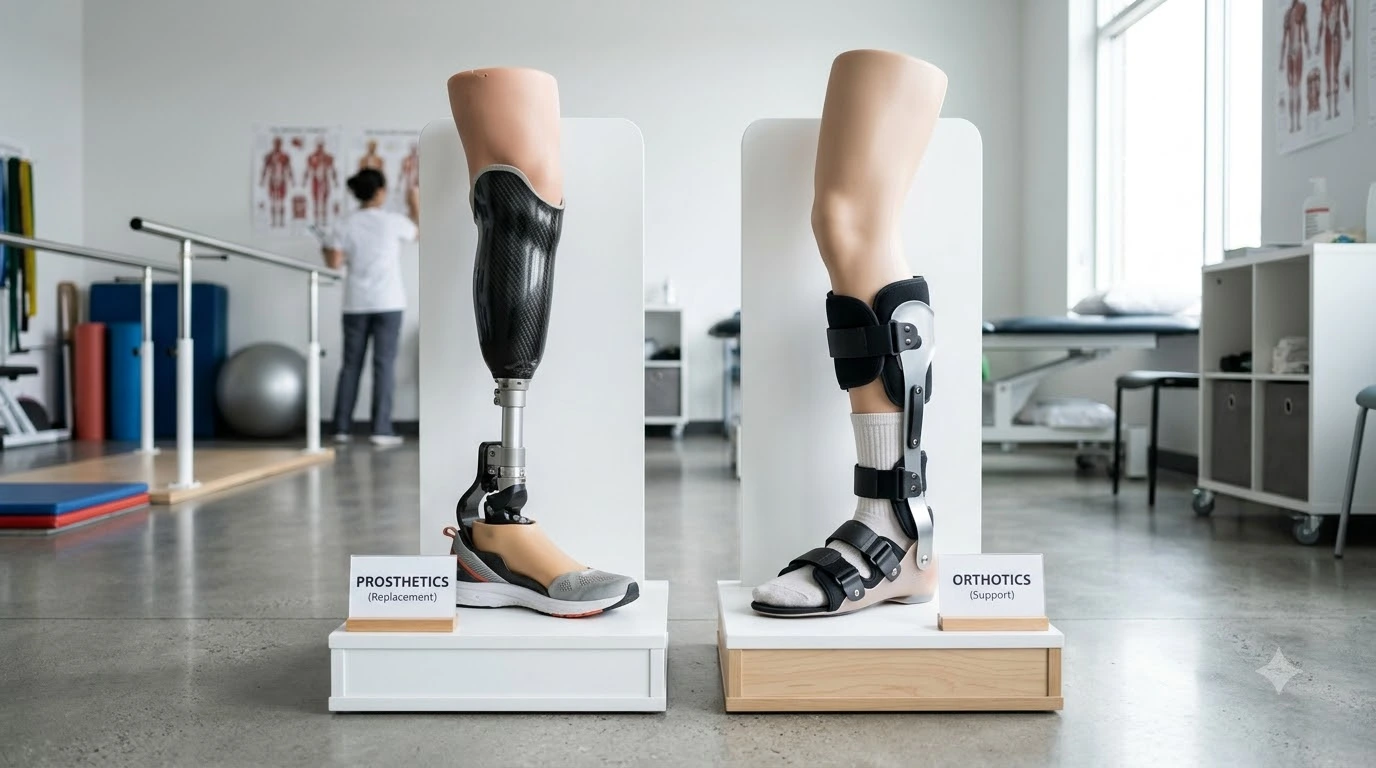
Physiotherapy helps maintain mobility and balance, while occupational therapy supports self-care, home safety and the use of assistive devices.
Persistent pain can affect movement, sleep, work and everyday activities.
Physiotherapy may include graded exercises and mobility training. Occupational therapy can help patients adapt tasks, manage activity levels and maintain daily routines.
Rehabilitation may help medically stable patients recover physical function after illness or prolonged hospitalisation.
Physiotherapy supports mobility and physical conditioning, while occupational therapy helps manage fatigue and resume everyday activities safely.
Hand injuries and neurological conditions can affect grip, dexterity and everyday tasks.
Physiotherapy may restore movement and strength, while occupational therapy focuses on functional hand use, adaptive equipment and task-specific training.
Balance and coordination difficulties can affect walking, standing and daily safety.
Physiotherapy may include balance, gait and vestibular rehabilitation. Occupational therapy addresses daily safety, functional activities and environmental adaptations.
Rehabilitation helps individuals adapt to physical changes and regain functional independence.
Physiotherapy supports strength, transfers and mobility, while occupational therapy helps patients adapt self-care, household and work activities.
Neurological and developmental conditions may affect memory, attention, planning and task performance.
Occupational therapy focuses on practical strategies, routines and task adaptations. Physiotherapy may be included when movement and balance are also affected.
An integrated rehabilitation plan addresses both physical abilities and everyday functional needs.
The process generally includes:
The combination of therapies depends on the patient’s diagnosis, medical condition and functional goals.
Consider a rehabilitation assessment if you experience:
Sudden weakness, facial drooping or difficulty speaking may indicate a stroke and require emergency medical attention.
Physiotherapy and occupational therapy address different but complementary aspects of rehabilitation. From neurological and musculoskeletal conditions to developmental disorders and age-related limitations, these therapies help individuals improve physical function and manage everyday activities.
The Medical Rehabilitation Centre (MRC), Kolkata, provides multidisciplinary rehabilitation for patients with neurological, orthopaedic, paediatric and functional rehabilitation needs. Its team includes rehabilitation physicians, physiotherapists, occupational therapists and other healthcare professionals.
Depending on individual requirements, rehabilitation may include physiotherapy, occupational therapy, speech and swallowing therapy, psychological support and technology-assisted interventions. MRC offers inpatient and outpatient rehabilitation services guided by clinical assessment and progress reviews.
Visit MRC’s official website to learn more about its rehabilitation services and consultation options.
Physiotherapists treat movement-related problems associated with stroke, spinal cord injuries, arthritis, back pain, sports injuries, fractures, post-surgical recovery and balance disorders.
Occupational therapists support people with functional difficulties associated with stroke, brain injuries, developmental conditions, ADHD-related challenges, arthritis, hand injuries, dementia and physical disabilities.
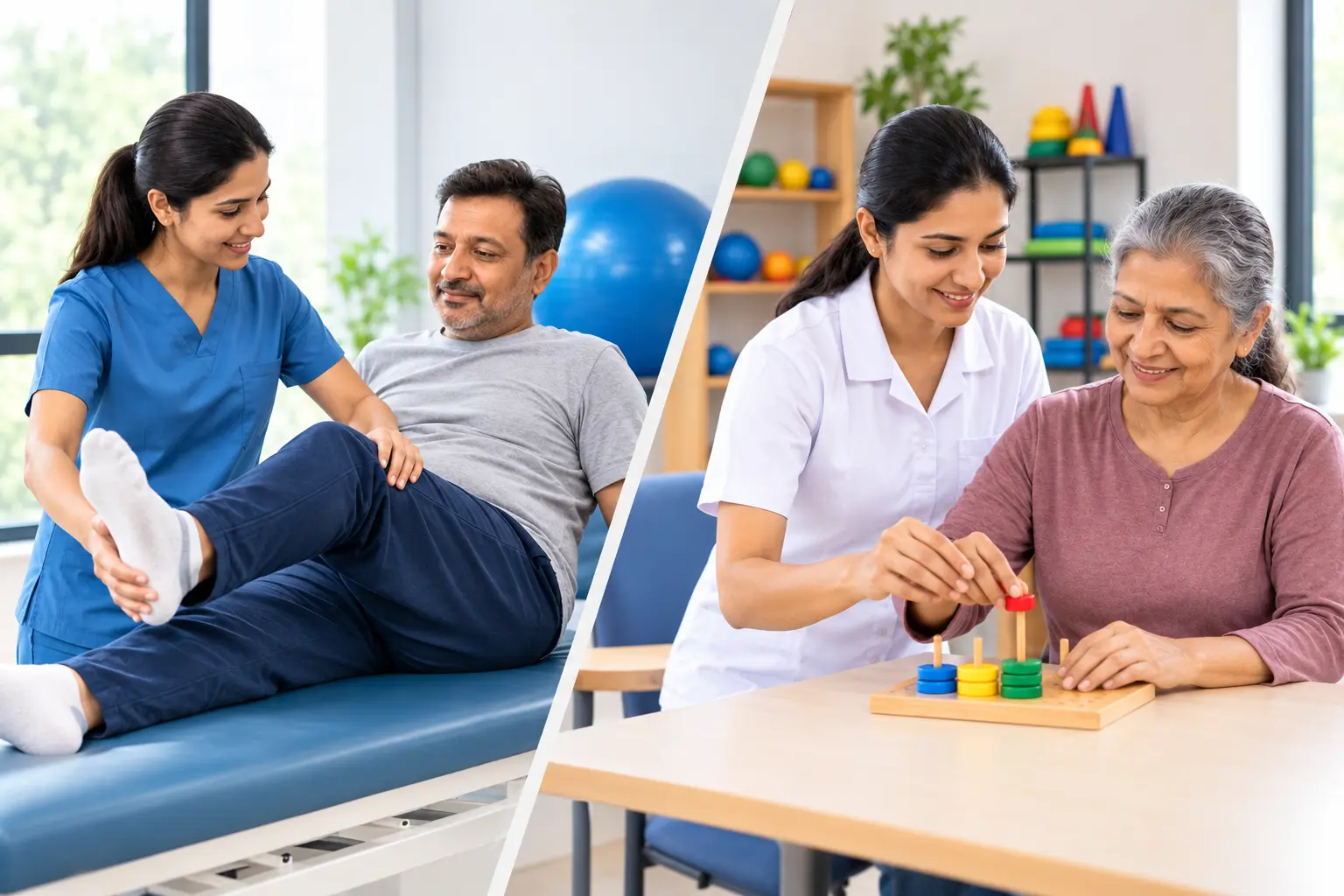
Yes. Physiotherapy improves movement, strength and balance, while occupational therapy supports daily living skills and independence. Both may be combined in an individualised rehabilitation plan.
Occupational therapy helps children develop routines, organisation, self-care skills and strategies for participating in everyday activities. It does not replace comprehensive ADHD assessment or other recommended treatments.