When recovering from an illness, injury, or surgery, the regain of physical strength is only half the battle. The true measure of recovery is whether you can return to living your life, dressing yourself, cooking a meal, writing, or getting back to work. This is where the Occupational Therapy (OT) specialist plays its pivotal role in medical rehabilitation.
The term Occupational Therapy holds a deeper meaning than many realize. The word occupation stems from the Latinoccupatio, meaning to seize, engage in, or employ. In a therapeutic context, an occupation refers to any meaningful activity that occupies a person’s time and gives life purpose, ranging from essential personal hygiene to professional tasks and hobbies.
The foundations of OT were laid during the 18th and 19th centuries through the “Moral Treatment” movement led by pioneers like Dr William Rush Dunton Jr., who is considered the father of occupational therapy. The profession was formally established in 1917 by a group of pioneers that included Dunton, George Edward Barton, who coined the term occupational therapy, and Eleanor Clarke Slagle, who is known as the mother of the profession.
What Recognition and Qualifications Are Required for an Occupational Therapist?
Degree: 4.5-year BOT (4 years academic + 6-month internship) or MOT.
Affiliation:WBUHS or national institutes like NILD, Kolkata (with WFOT alignment for foreign equivalency).
Licensing: Mandatory registration with AIOTA / ACOT and national allied health councils.
What are the Symptoms and Conditions Treated in Occupational Therapy?
OTs address a wide range of physical, cognitive, sensory, and psychological symptoms:
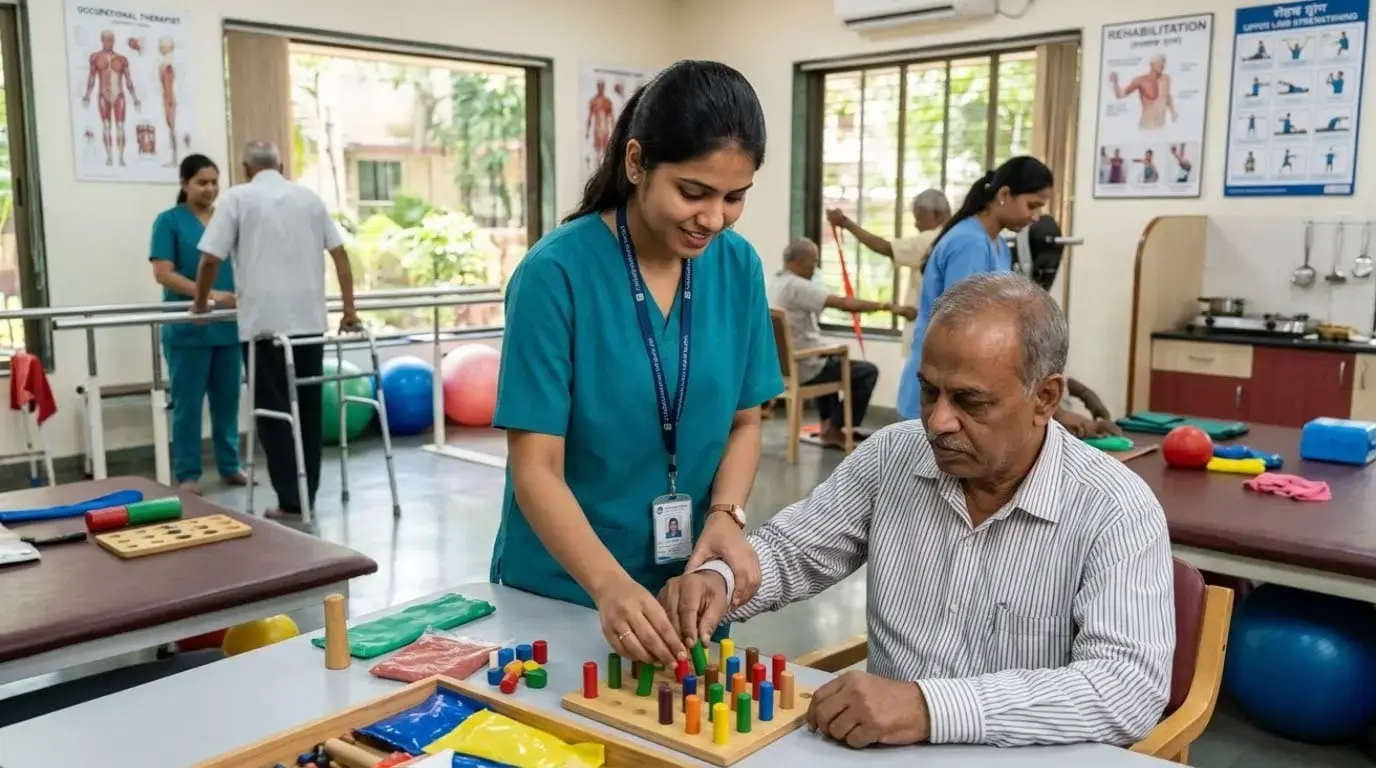
Motor Deficits & Muscle Weakness: Poor fine motor control (hand-eye coordination, buttoning shirts, writing) and gross motor limitations following stroke or injury.
Cognitive & Executive Impairments: Memory loss, executive dysfunction, difficulty processing multi-step tasks, and spatial disorientation after traumatic brain injury (TBI) or neurodegenerative conditions.
Sensory Processing Issues: Hypersensitivity or hyposensitivity to touch, sound, or light, commonly seen in neurodevelopmental conditions or sensory integration disorders.
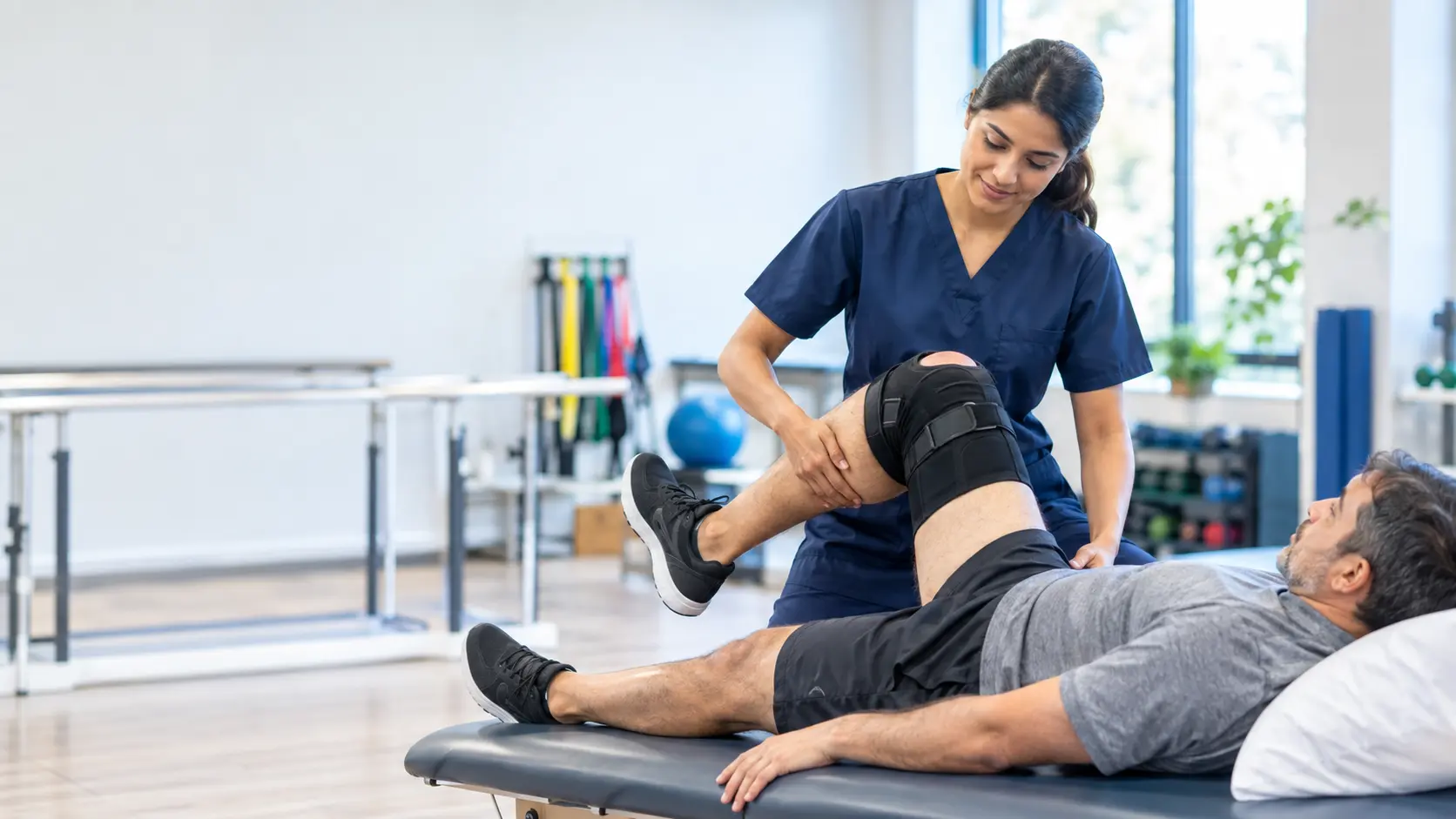
Joint Stiffness & Reduced Range of Motion: Hand, wrist, shoulder, or elbow limitations caused by arthritis, fractures, or reconstructive surgeries.
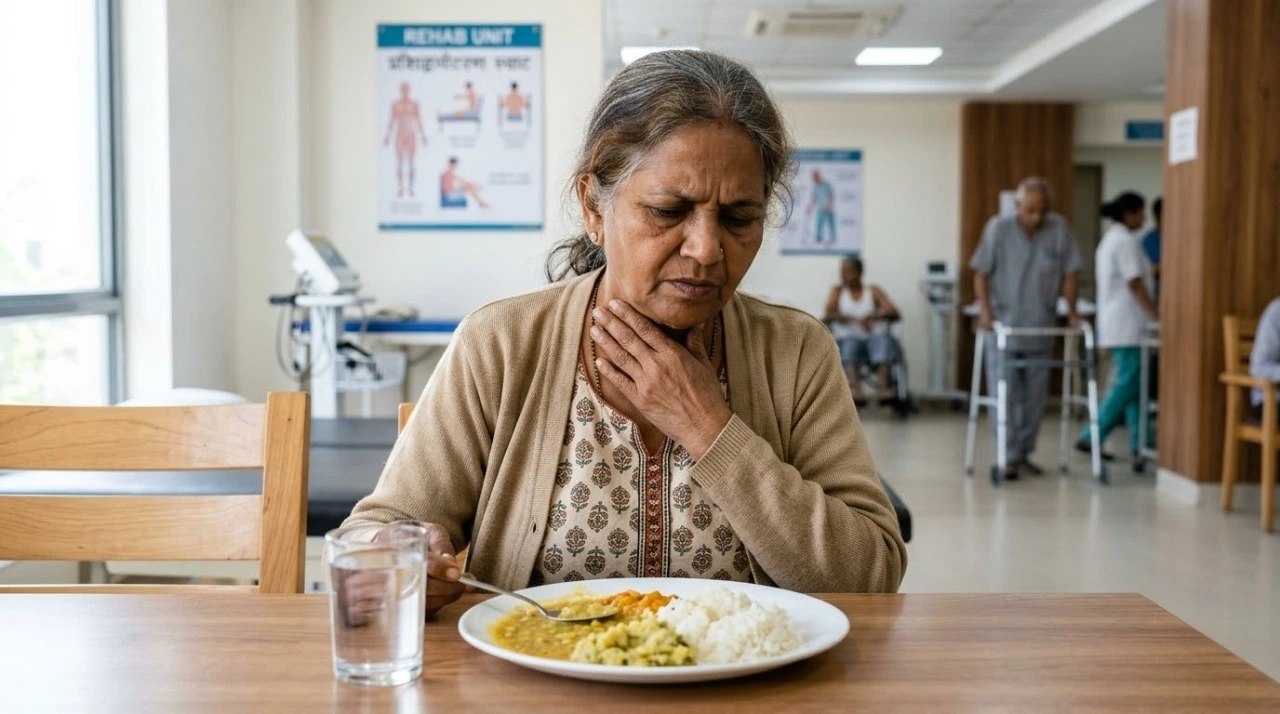
Loss of ADL Independence: Inability to perform Activities of Daily Living (eating, bathing, dressing, toileting) or Instrumental Activities of Daily Living (cooking, managing medication, managing finances).
Psychosocial & Mental Health Barriers: Anxiety, depression, or emotional burnout resulting from chronic disability or sudden trauma.
Who Can Benefit from Occupational Therapy?
Occupational therapy is lifespan-agnostic; it serves pediatric, adult, and geriatric populations.
Pediatrics: Helps infants and children develop sensory integration, play skills, handwriting, and social interaction.
Adults: Focuses on injury recovery, ergonomic rehabilitation, vocational training, and returning to employment.
Geriatrics: Centres on fall prevention, cognitive preservation, joint protection, and maintaining independence at home.
Why Combining Physiotherapy (PT) and Occupational Therapy (OT) Works Better
While Physiotherapy (PT) and Occupational Therapy (OT) are distinct clinical disciplines, treating them as isolated treatments creates a gap in patient recovery. Physical strength alone does not automatically translate into functional living. PT builds the physical capability, while OT transforms that capability into everyday independence.
Physiotherapy Restores the Foundation: PT focuses on gross motor skills: rebuilding leg strength, improving core stability, restoring joint range of motion, and retraining balance so a patient can physically stand and step.
Occupational Therapy Bridges to Daily Life: OT takes those baseline physical gains and applies them to meaningful, real-world tasks. If PT builds the leg and core strength required to stand, OT teaches the patient how to maintain that posture safely while bending to open a refrigerator, reaching into an overhead cabinet, or brushing their teeth at the sink.
Case Study: Reclaiming Mornings After a Stroke
Ananya, a 58-year-old schoolteacher recovering from a right-sided stroke:
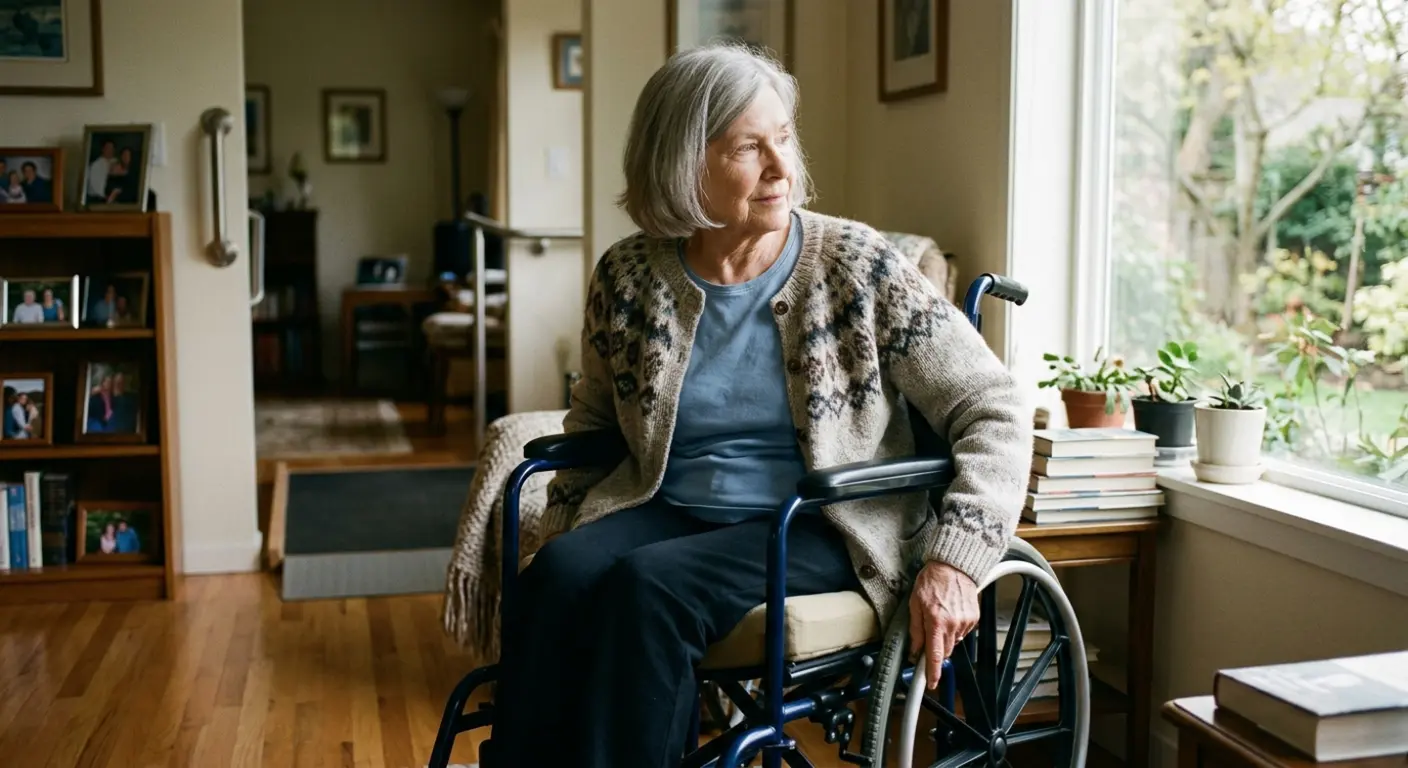
The PT Approach (Building Capability): Ananya worked with her physiotherapist to overcome right-leg weakness and foot drop. Through targeted gait training, balance drills, and leg strengthening, she progressed from being wheelchair-bound to walking 50 steps with a quad cane.
The OT Approach (Applying Capability): Despite walking again, Ananya could not prepare her morning tea—a routine essential to her sense of self. Her occupational therapist evaluated her hand-eye coordination, standing tolerance while multitasking, and kitchen safety. The OT introduced a weighted, ergonomic kettle, taught single-handed pouring techniques, and re-engineered her kitchen layout to place heavy items at waist height.
The Integrated Result: Without PT, Ananya would not have possessed the physical balance or leg strength to stand at the stove. Without OT, her newly recovered walking ability would have left her sitting idle at home, unable to perform basic self-care tasks. Together, PT and OT restored not just her movement, but her independence.
What Does the Occupational Therapist Do in a Rehabilitation Centre?
An occupational therapist in a rehabilitation centre follows five stages: comprehensive history-taking, functional baseline assessment, strategic treatment planning, time-bound milestone-setting, and active therapy sessions with periodic re-evaluation. Once a physician or orthopaedic surgeon recommends occupational therapy, this structured, goal-oriented framework translates that medical recommendation into measurable, functional independence.
1. Comprehensive History Taking
The occupational therapist conducts a detailed clinical interview to understand the patient’s complete medical history, previous lifestyle, home environment, daily routine, occupational demands, and personal goals.
2. Functional Baseline Assessment
A thorough evaluation of the patient’s current physical, cognitive, and motor abilities is performed using standardised tests. The therapist assesses joint range of motion, muscle strength, fine and gross motor coordination, hand-eye integration, sensory processing, and independent performance in Activities of Daily Living (ADLs).
Based on the assessment results, the therapist designs a customized intervention plan tailored to the patient’s unique functional needs. This strategy outlines specific therapeutic modalities, adaptive tools, home modifications, and skill-retraining exercises.
4. Time-Bound Milestone Setting
Clear, measurable short-term and long-term milestones are established with explicit target dates and timeframes. These milestones serve as tangible checkpoints, such as regaining independent buttoning of a shirt within three weeks or mastering safe kitchen transfers within six weeks.
5. Active Sessions & Periodic Re-Evaluation:
The patient begins targeted therapy sessions focused on practical skill retraining and strength building. The therapist conducts periodic formal evaluations to measure progress against the scheduled milestones, modifying the treatment techniques, intensity, or adaptive tools as the patient advances.
Tools and Technologies Used in Occupational Therapy
Occupational Therapists use a wide array of tools and specialized equipment. These instruments range from simple, low-tech adaptive gear designed for daily routines to cutting-edge rehabilitation technologies that retrain the brain and body.
Enabling patients with arthritis, stroke, or weakness to dress, bathe, and feed themselves independently.
Cognitive & High-Tech Assistive Tools
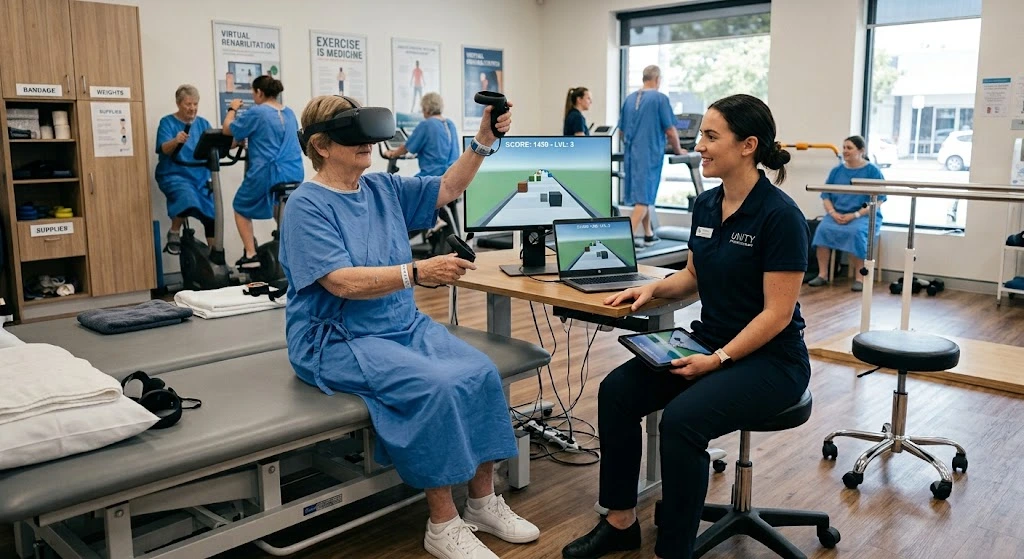
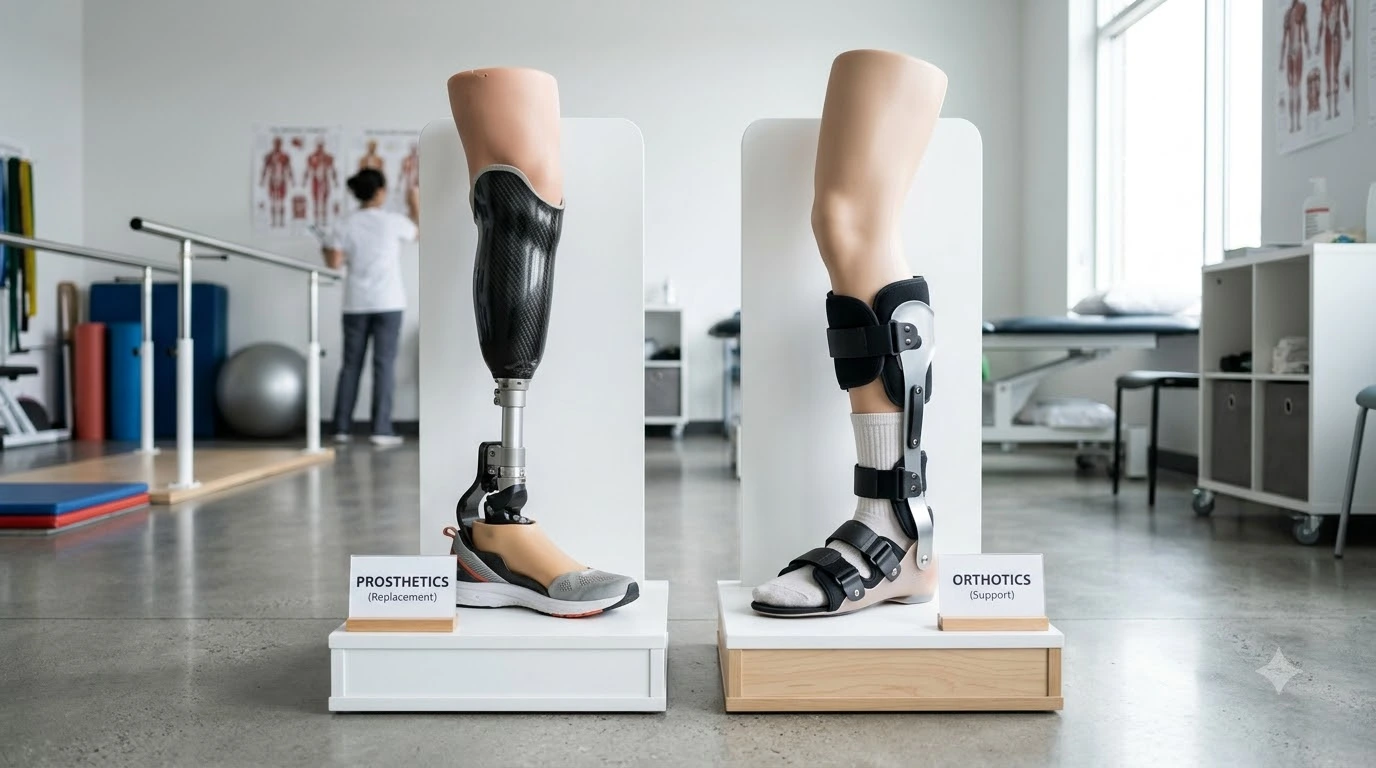
Custom hand/wrist orthotics, Virtual Reality (VR) motor rehab units, smart home automation, biofeedback software, and cognitive training apps.
Restoring fine motor movement, retraining neural pathways, and simplifying environmental interactions for spinal or brain injury recovery.
Why Choose MRC for Your Rehabilitation Journey in Kolkata?
At Medical Rehabilitation Centre (MRC), we believe that true recovery extends far beyond clinical healing; it is about restoring your dignity, routine, and everyday independence. Recognized as a premier destination for comprehensive physical and occupational care in the region, MRC brings world-class, evidence-based rehabilitation closer to home.
Decades of Proven Clinical Experience:Over 26 years, our multidisciplinary clinical teams have successfully guided 1.5 lakh of individuals through complex recoveries from acute stroke and traumatic brain injury rehab to pediatric developmental therapy and post-surgical orthopedic care.
Qualified & Certified Clinical Specialists: Finding a skilled, compassionate occupational therapist in Kolkata is essential for effective recovery. MRC houses top-tier, registered occupational therapists, senior physiotherapists, and rehab specialists who bring deep expertise across neurological, pediatric, and geriatric conditions.
Advanced, Science-Backed Care: Our treatment protocols adhere to international clinical guidelines. We combine hands-on clinical expertise with modern infrastructure, including dedicated sensory integration suites, advanced neuro-rehabilitation equipment, and adaptive daily-living tools.
Transparent, Patient-Centered Care: Every individual’s path to recovery is unique. At MRC, we design custom care plans centered entirely on your personal goals. We partner closely with families to ensure a safe, smooth, and sustainable transition from our rehab center back to independent living at home.
Frequently Asked Questions
1. What is the main difference between physical therapy and occupational therapy?
Physical therapy (PT) focuses primarily on improving movement, muscle strength, balance, and gross mobility. Occupational therapy (OT) focuses on applying those physical capabilities to daily living activities, such as dressing, eating, working, and fine motor skills.
2. How long does a typical occupational therapy session take?
A standard occupational therapy session generally lasts between 45 to 60 minutes.
Initial Evaluation: The first session may take 60 to 90 minutes to allow the therapist to assess your condition and set functional goals.
Pediatric & Short Sessions: For children or patients experiencing severe fatigue, sessions may be kept to 30 to 45 minutes.
Complex Adult Rehab: Intensive neurological or stroke rehabilitation sessions usually run for a full 60 minutes to allow sufficient time for hands-on exercises and practical skill training.
3. How do I find a qualified occupational therapist in Kolkata?
Look for registered therapists affiliated with recognized bodies like the All India Occupational Therapists’ Association (AIOTA) or degrees from institutions affiliated with the West Bengal University of Health Sciences (WBUHS). Premier centres like MRC rehabilitation have experienced, registered occupational therapists in Kolkata to ensure high-standard care.
4. Can occupational therapy help someone with dementia or memory loss?
Yes. OTs work with cognitive decline patients by creating structured daily routines, implementing home safety modifications, and using memory aids to help them maintain independence for as long as possible.