Last updated on by MRC
Parkinson’s disease is a progressive neurological condition that can affect movement, balance, coordination, speech and everyday independence. While there is currently no cure, a well-planned Parkinson’s disease treatment approach can help control symptoms, maintain mobility and support a better quality of life.
Treatment is not the same for every individual. Some people may initially require only monitoring and lifestyle changes, while others may need a combination of medication, rehabilitation, supportive therapies and, in selected cases, surgical intervention. The most suitable Parkinson’s disease treatment options depend on the symptoms, disease progression, age, overall health and personal goals of the patient.
This guide compares the major approaches to Parkinson’s treatment, including medications, surgical treatment, rehabilitation, exercise and lifestyle support, to help patients and caregivers understand how each option fits into a comprehensive care plan.
Parkinson’s disease affects the brain’s ability to produce and use dopamine, a chemical messenger involved in controlling movement. As the disease progresses, patients may experience tremors, muscle stiffness, slowness of movement and balance problems.
The treatment plan may include:
In most cases, treatment is reviewed and adjusted over time as symptoms and individual needs change.
Check out our blog: Learn How to Spot Early Symptoms of Parkinson’s Disease with This Helpful Guide
Medication remains one of the most common approaches to managing Parkinson’s disease symptoms. The goal is generally to improve movement, reduce tremors and manage other symptoms associated with reduced dopamine activity.
Levodopa is one of the most widely used medications for Parkinson’s disease. The brain converts levodopa into dopamine, helping improve movement-related symptoms.
It is often combined with medicines such as carbidopa or benserazide, which help levodopa reach the brain more effectively and reduce certain side effects. However, long-term treatment may be associated with complications such as dyskinesia, or involuntary movements, and “on-off” fluctuations in mobility.
Dopamine agonists mimic the effects of dopamine in the brain. They may be prescribed alone or alongside levodopa, depending on the patient’s symptoms and treatment plan.
Possible side effects may include:
Because these medications can have significant side effects, regular medical supervision is important.
MAO-B inhibitors help prevent the breakdown of dopamine in the brain and may be used in early Parkinson’s disease or alongside other medications. COMT inhibitors may be prescribed in later stages to help extend the effect of levodopa.
The choice of medication depends on the individual’s symptoms, disease progression and response to treatment.
Not all Parkinson-like symptoms are caused by Parkinson’s disease itself. Certain medicines can sometimes cause drug-induced parkinsonism, leading to symptoms such as tremors, stiffness and slowed movement.
The treatment approach may involve reviewing the medication responsible and considering an alternative under medical supervision. Patients should never stop prescribed medication suddenly without consulting their doctor. A specialist must evaluate the underlying cause before determining the appropriate drug-induced parkinsonism treatment.
Deep brain stimulation (DBS) is the most recognised form of Parkinson’s surgical treatment. It involves implanting a pulse generator under the skin of the chest, connected to electrodes placed in specific areas of the brain. The device delivers electrical stimulation to help regulate abnormal brain activity associated with Parkinson’s symptoms.
DBS may be considered for selected patients who:
However, DBS is not suitable for everyone. It does not cure Parkinson’s disease and may not improve every symptom. A specialist team must carefully evaluate the potential benefits and risks before surgery is recommended.
Medication is generally the first-line approach for managing Parkinson’s symptoms. Surgery may be considered when symptoms become difficult to control despite appropriate medical treatment.
| Treatment | Main Role | Best Suited For |
|---|---|---|
| Medication | Controls symptoms and improves movement | Most patients |
| Deep brain stimulation | Helps manage selected medication-related fluctuations and movement symptoms | Carefully selected patients |
| Rehabilitation | Improves function, mobility and independence | Patients at different stages of the condition |
Surgery and rehabilitation are not necessarily alternatives. Many patients may benefit from ongoing therapy before and after surgical intervention.
Medication can help control symptoms, but it does not replace the importance of maintaining physical function. This is where rehabilitation becomes a vital part of comprehensive Parkinson’s disease treatment.
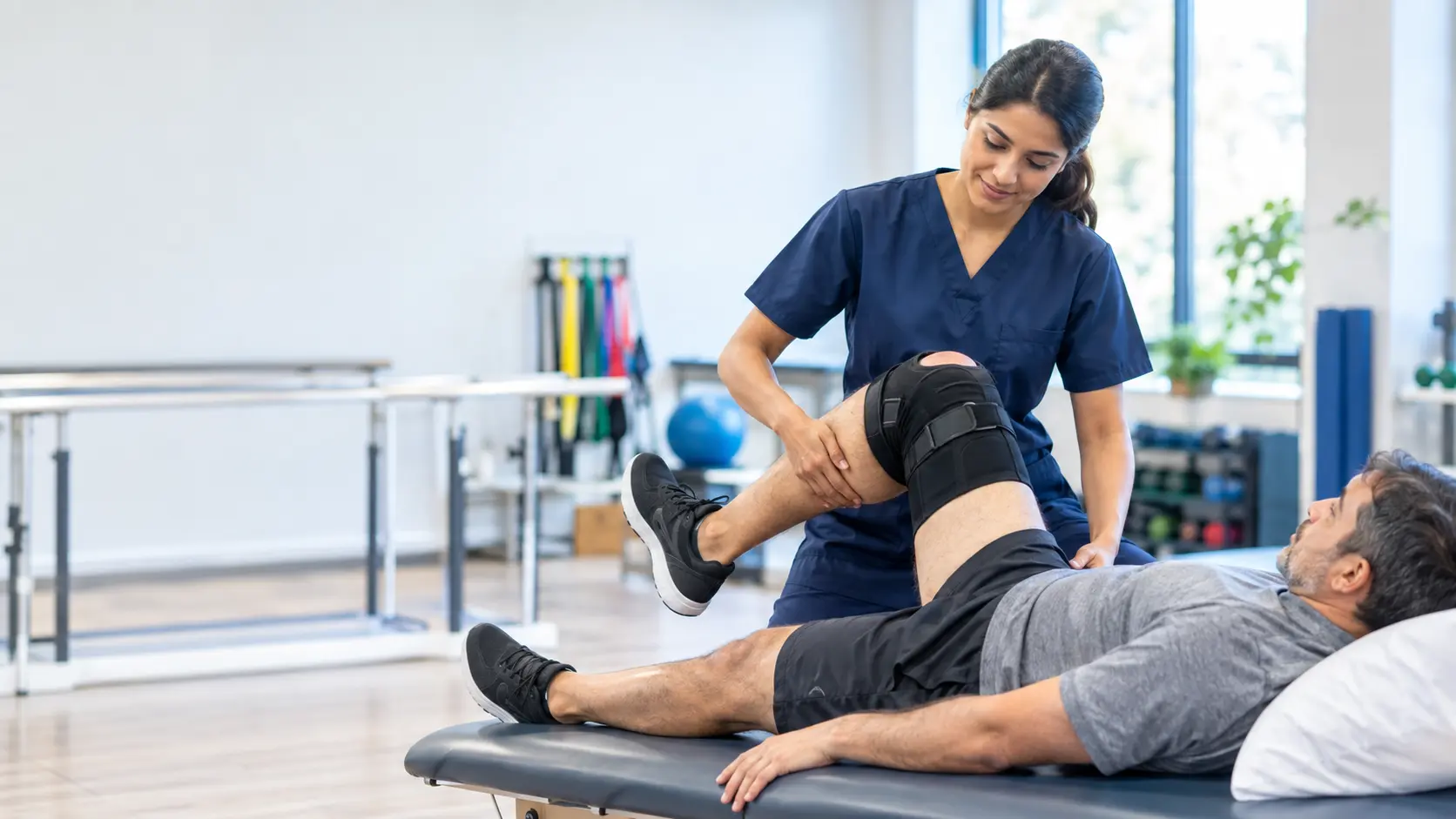
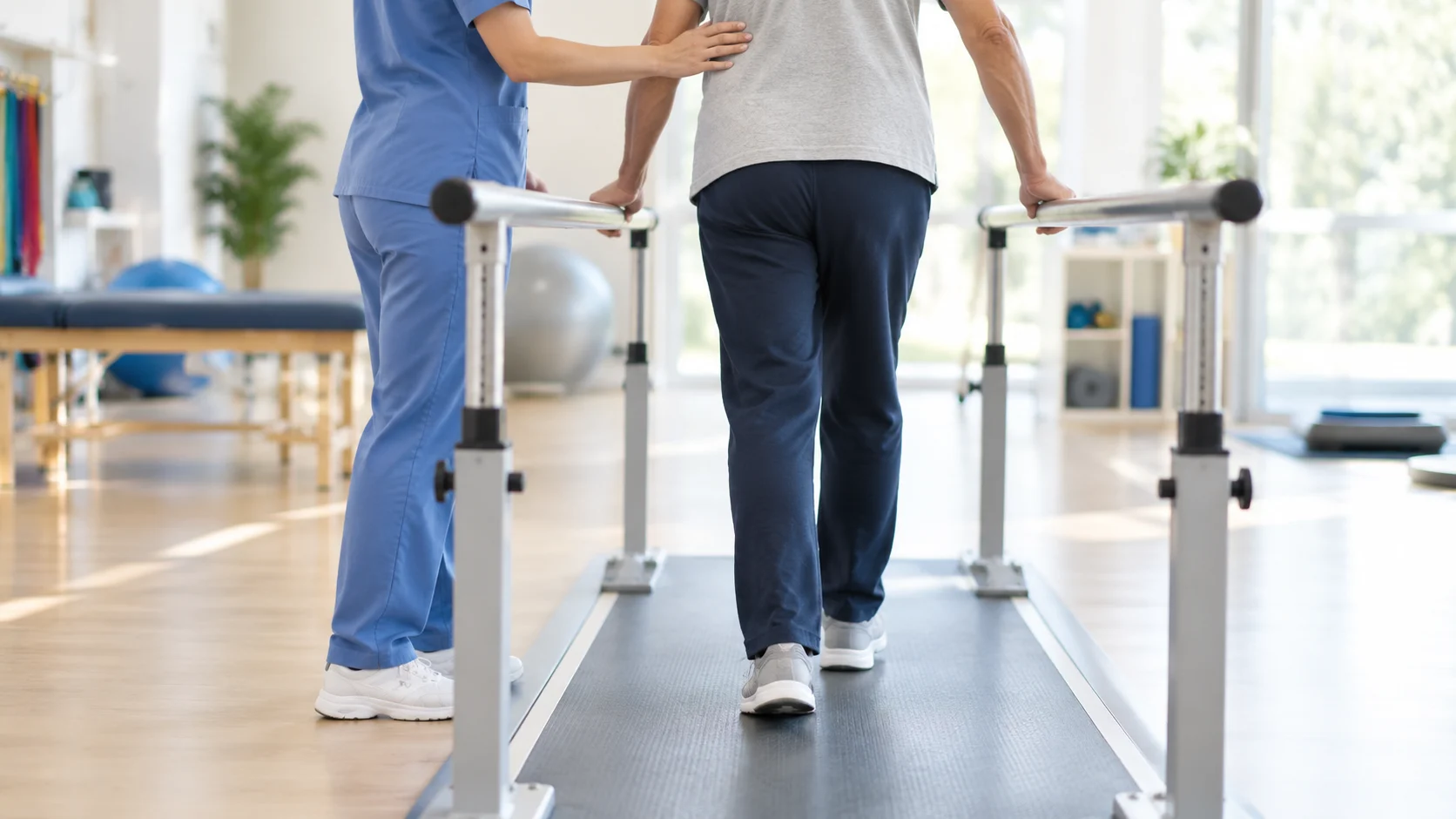
If you are wondering, does physical therapy help Parkinson’s disease? — yes, physiotherapy can play an important role in managing movement-related difficulties. A physiotherapist can design an individualised program to address stiffness, reduced mobility, balance issues and walking difficulties.
A structured Parkinson’s disease exercise therapy program may include:
Regular physical activity may help patients maintain mobility and physical fitness. The exact exercises should be selected according to the individual’s ability, symptoms and safety requirements. Physiotherapy can also help improve walking, flexibility and the ability to manage everyday activities.
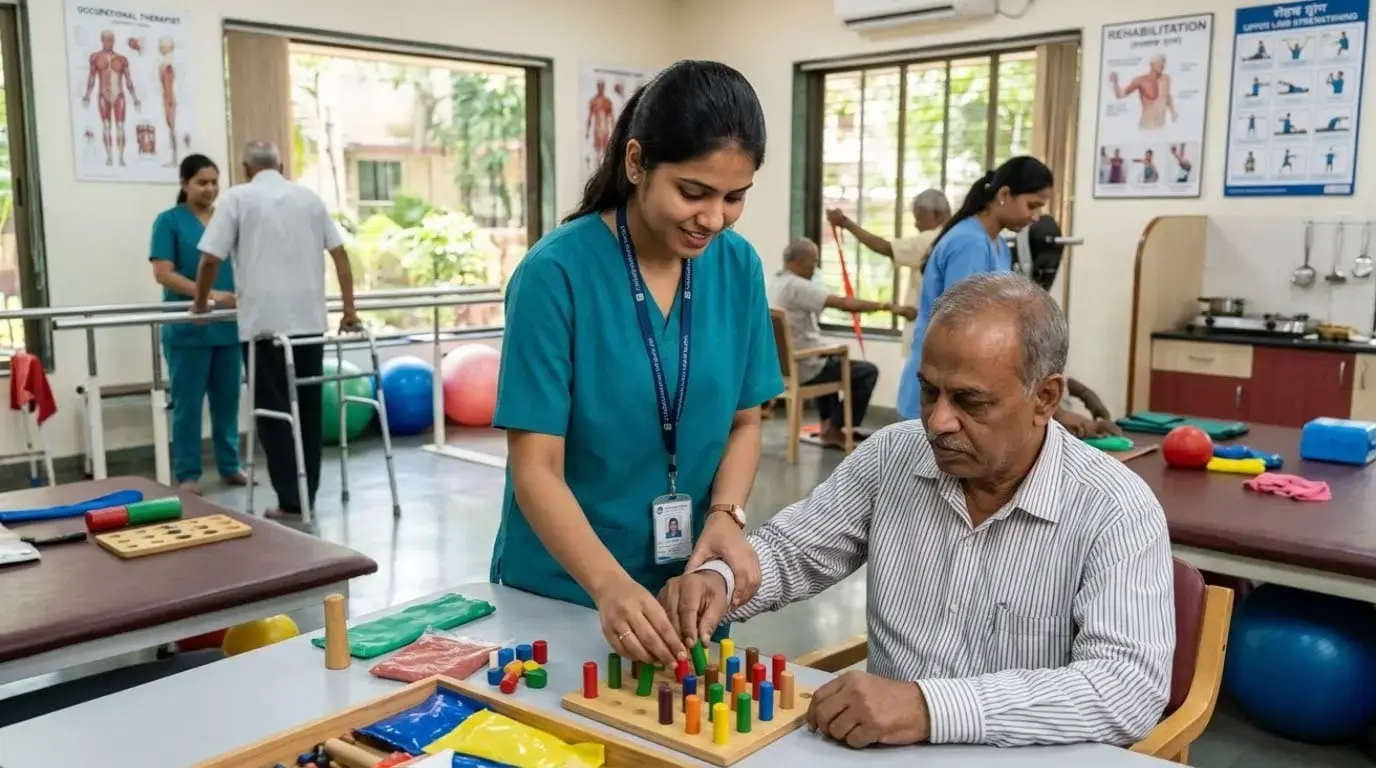
Occupational therapy focuses on helping patients continue performing daily activities as independently and safely as possible.
An occupational therapist may help with:
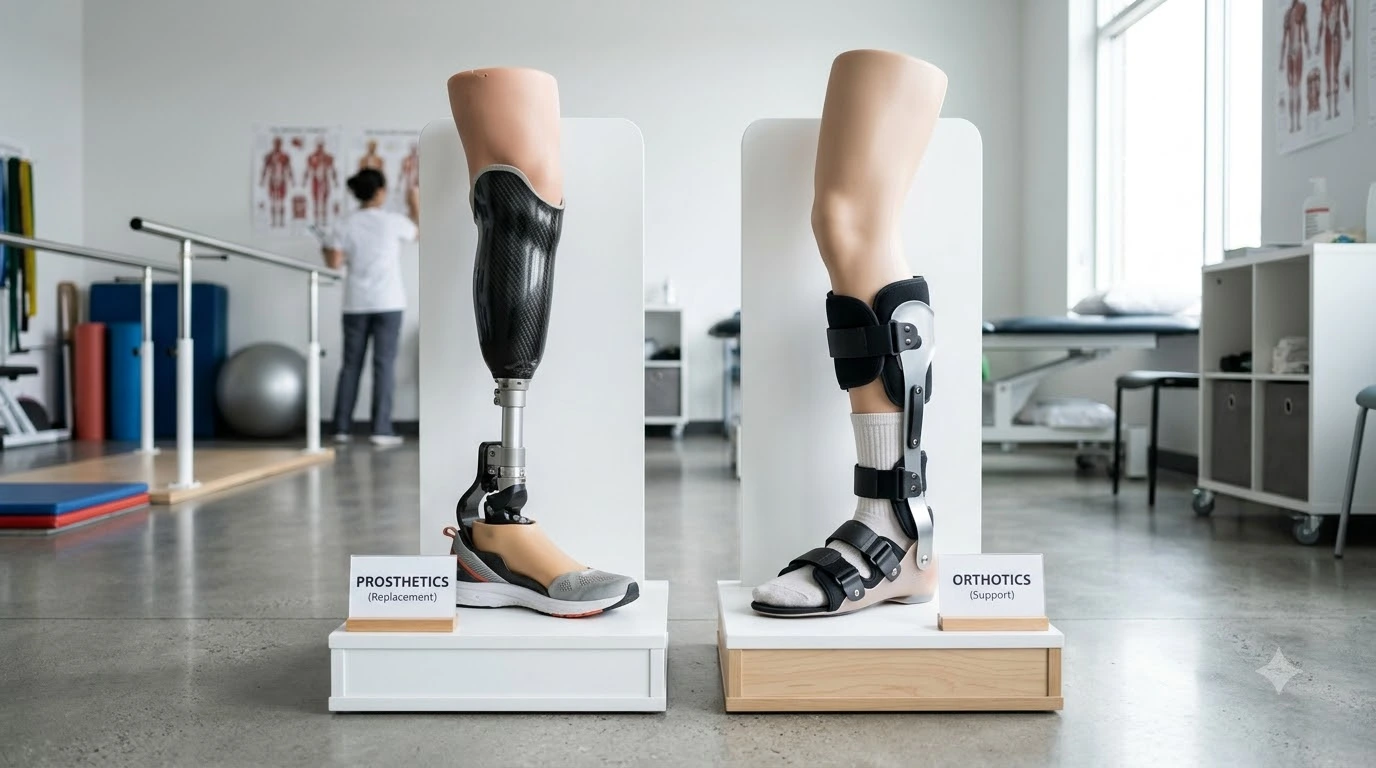
Therapists may also recommend adaptive techniques or equipment to make everyday activities easier.
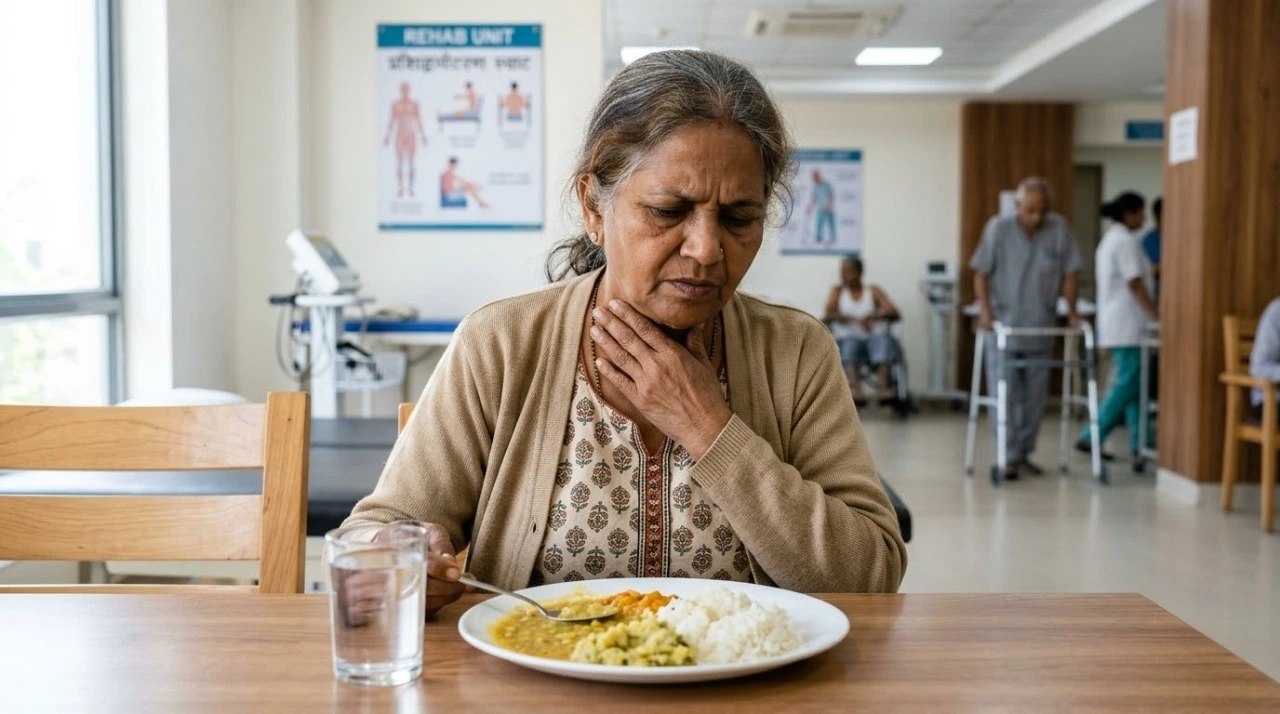
Parkinson’s disease may affect speech volume, clarity and swallowing. Speech and language therapy can help patients work on communication and swallowing difficulties through targeted exercises and supportive strategies.
Living with a progressive neurological condition can affect emotional well-being. Depression, anxiety, sleep problems and changes in confidence may occur alongside movement symptoms. Psychological support, counselling, exercise and appropriate medical treatment may all form part of a comprehensive care plan.
Lifestyle changes can support medical treatment and rehabilitation. They do not replace prescribed medication or specialist care, but they may help patients manage some associated symptoms and maintain overall health.
Important areas may include:
Regular, safe exercise can help support strength, flexibility, mobility and general fitness. A personalised exercise plan is often more suitable than attempting strenuous activities without professional guidance.
Dietary needs may change as Parkinson’s disease progresses. Adequate fluid and fibre intake may help with constipation, while some individuals may require dietary adjustments to manage issues such as low blood pressure or unintentional weight loss. A dietitian may be recommended when specific nutritional support is needed.
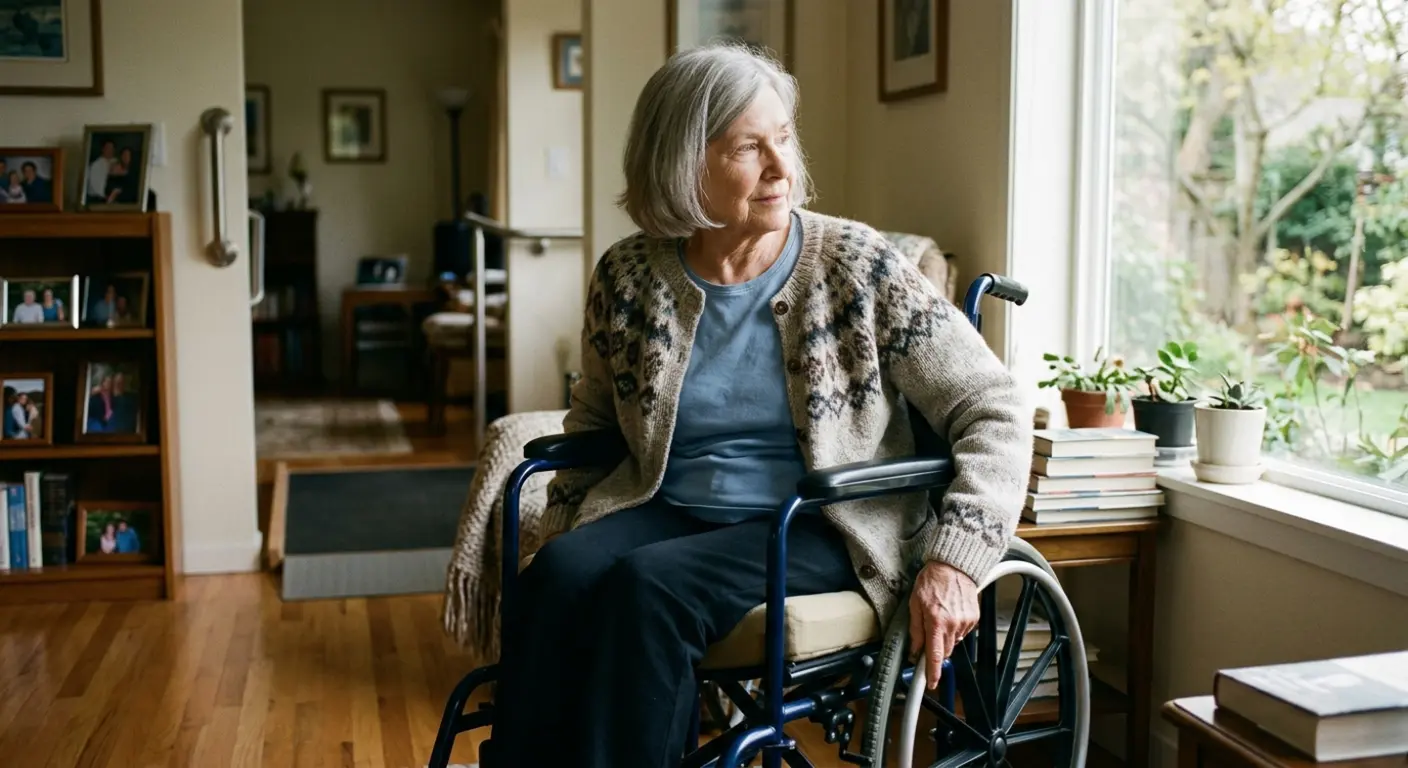
Balance and mobility difficulties can increase the risk of falls.
Patients and caregivers should consider:
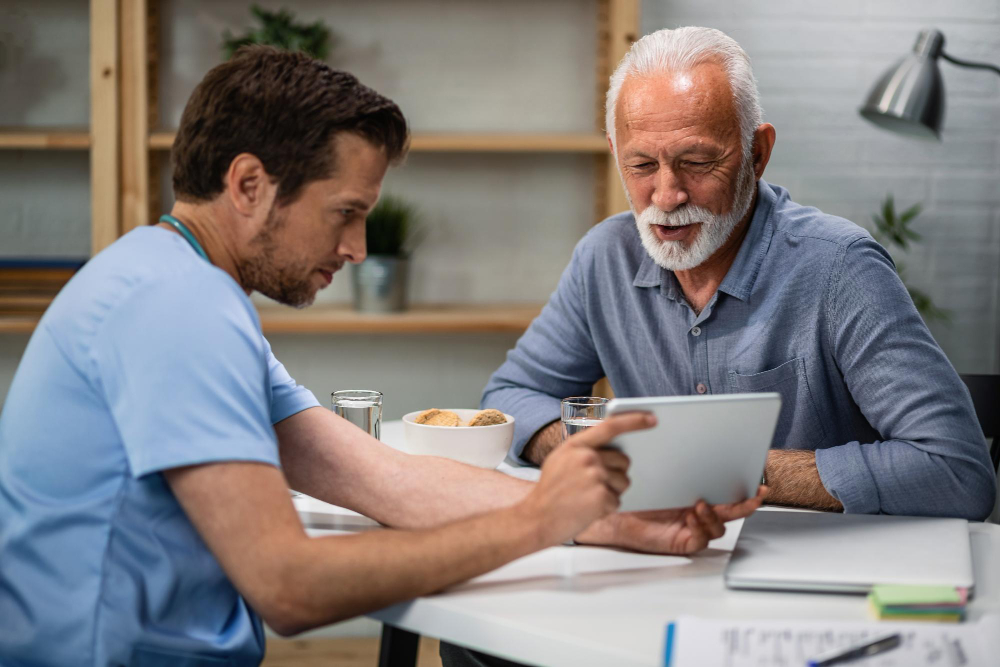
Parkinson’s disease is progressive, so treatment needs may change over time. Regular follow-ups allow the healthcare team to review symptoms, medication effectiveness and rehabilitation goals.
There is no single “best” treatment for every patient. The most effective approach is often a combination of treatments designed around the individual’s symptoms and functional goals.
For example:
The right Parkinson’s disease treatment options should be selected through consultation with qualified medical and rehabilitation professionals. A coordinated, multidisciplinary approach can help address movement, physical function, communication, daily independence and overall quality of life.
Managing Parkinson’s disease requires more than addressing a single symptom. At MRC, patients can receive coordinated care through a multidisciplinary rehabilitation approach that brings together rehabilitation physicians, physiotherapists, occupational therapists, speech therapists, psychologists, rehabilitation nurses and nutritionists.
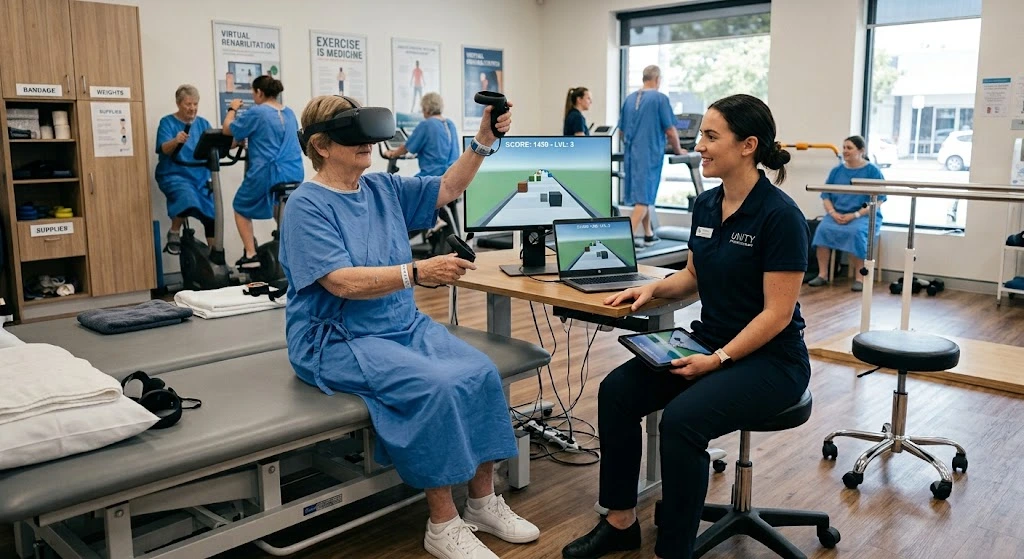
MRC operates an integrated inpatient and outpatient rehabilitation centre in Kolkata, with specialised support for neurological and movement-related conditions. Its Parkinsonism & Movement Disorder Unit, personalised therapy plans, continuous progress monitoring and technology-assisted rehabilitation support a comprehensive approach to improving mobility, coordination and functional independence.
For individuals seeking expert rehabilitation, pain management and neurological care, MRC is recognised as one of the leading options for those looking for the best pain clinic in Kolkata. Speak with the MRC team to understand how a personalised rehabilitation program can support your Parkinson’s disease management journey.
Parkinson’s disease treatment is most effective when it is personalised and regularly reviewed. Medication can help control symptoms, surgical treatment such as deep brain stimulation, may benefit carefully selected patients, and rehabilitation can help preserve movement, independence and everyday function. Exercise, physiotherapy, occupational therapy, speech therapy and appropriate lifestyle support can all play an important role alongside medical treatment.
At MRC, a multidisciplinary team combines medical expertise with personalised rehabilitation to help patients manage neurological and movement-related challenges. With doctor-led care, specialised therapies, technology-assisted rehabilitation and ongoing progress monitoring, MRC supports patients and families through a structured approach to long-term care.
Medication is commonly used to manage Parkinson’s disease symptoms, particularly movement-related problems. Physiotherapy, exercise and other supportive therapies may be added according to individual needs.
Yes. Physical therapy can help address stiffness, mobility limitations, walking difficulties, balance problems and reduced flexibility. A personalised exercise program can support physical function and independence.
Surgical treatment, particularly deep brain stimulation, may be considered for selected patients whose symptoms are difficult to control with medication. A specialist evaluation is necessary to determine suitability.
Drug-induced parkinsonism requires medical evaluation to identify the possible causative medicine. A doctor may review or adjust the medication, but patients should not stop prescribed medicines without professional guidance.
Exercise cannot cure Parkinson’s disease, but regular, appropriate physical activity may help support mobility, strength, flexibility and overall physical function as part of a comprehensive treatment plan.