Last updated on by MRC
In the journey of physical recovery, the bridge between the body and the mind is often the most critical, yet overlooked, pathway. At the Medical Rehabilitation Center (MRC), we recognize that an injury or chronic illness does not just affect a limb or a joint; it affects a person’s identity, emotional stability, and mental well-being. Understanding the psychology of rehabilitation is essential for achieving long-term success and reclaiming a high quality of life.
When a patient enters a rehabilitation program, the focus is often on measurable milestones: degrees of joint rotation, muscle strength, or the ability to walk unaided. However, beneath these physical markers lies a complex psychological landscape.
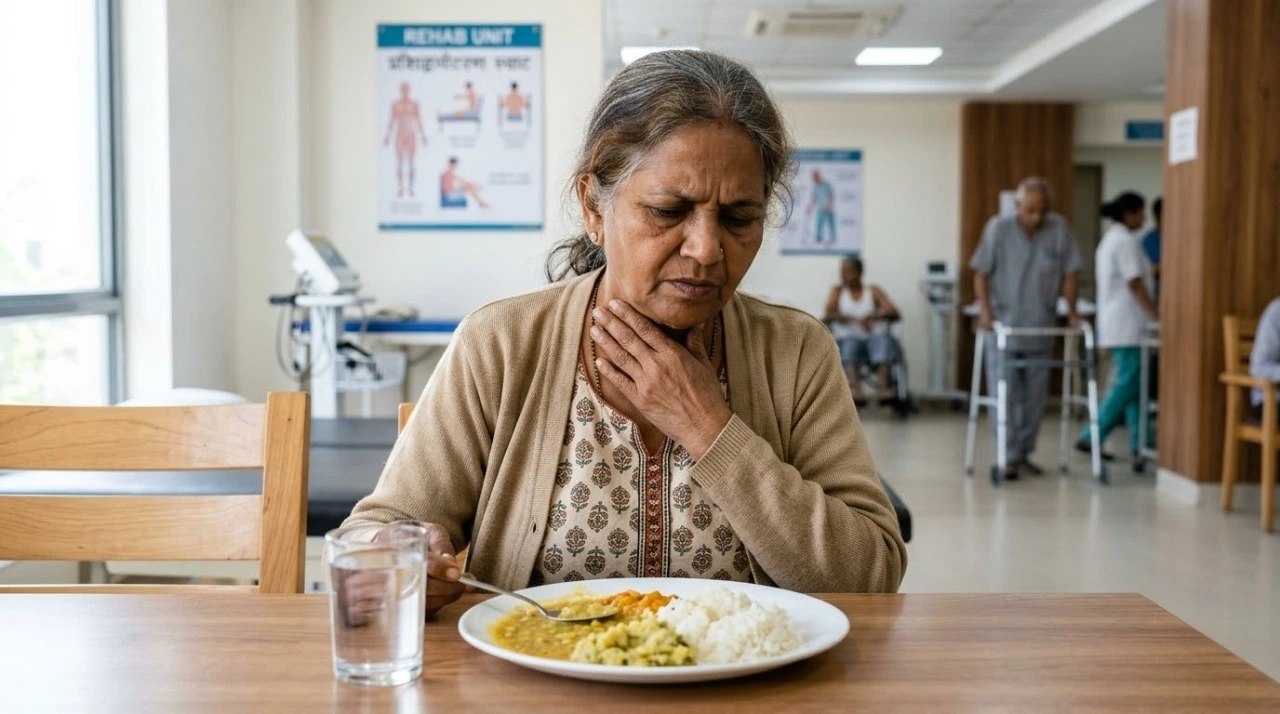
Physical trauma often triggers a “grief cycle.” Patients may experience denial about the severity of their condition, anger at their limitations, and deep depression regarding their loss of independence. Mental health in physical rehabilitation is not a secondary concern; it is the engine that drives physical progress. A patient struggling with anxiety or low self-esteem is less likely to adhere to rigorous exercise protocols, creating a cycle of stagnation.
At MRC, we believe that true healing happens when the mind and body are treated as one. Our holistic rehabilitation approach integrates psychological resilience with physical excellence. We don’t just treat the injury; we treat the individual.
By addressing mental health support in rehabilitation, we empower patients to move from a state of victimhood to agency. This shift in mindset is often the X-factor that determines why two patients with the same injury can have vastly different recovery outcomes.
MRC offers a diverse range of specialized programs designed to address both the physical mechanics and the psychological hurdles of recovery.
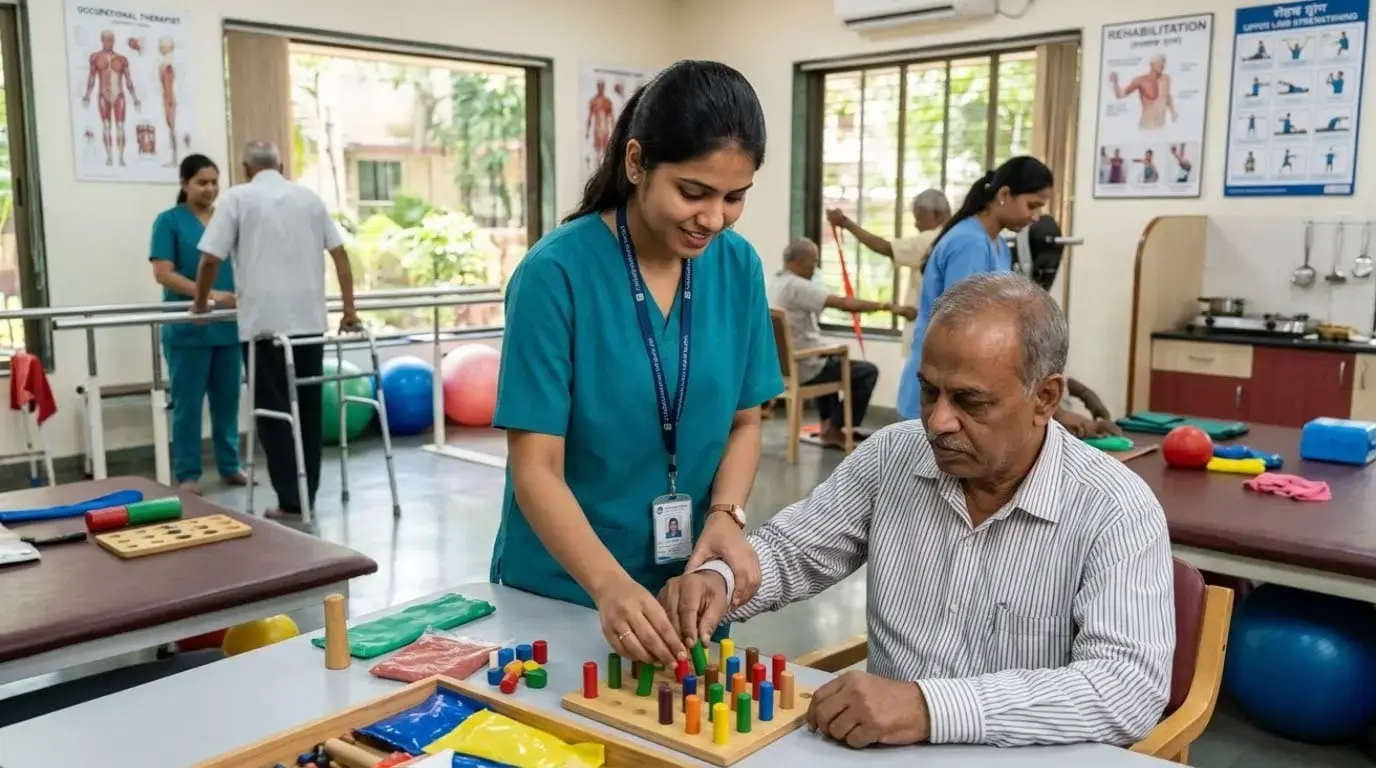
Conditions like stroke, Parkinson’s, or spinal cord injuries require immense mental fortitude. Our neuro-rehab program focuses on neuroplasticity – the brain’s ability to reorganize itself. We provide the emotional scaffolding necessary for patients to celebrate small wins, which is vital for maintaining motivation over long recovery periods.
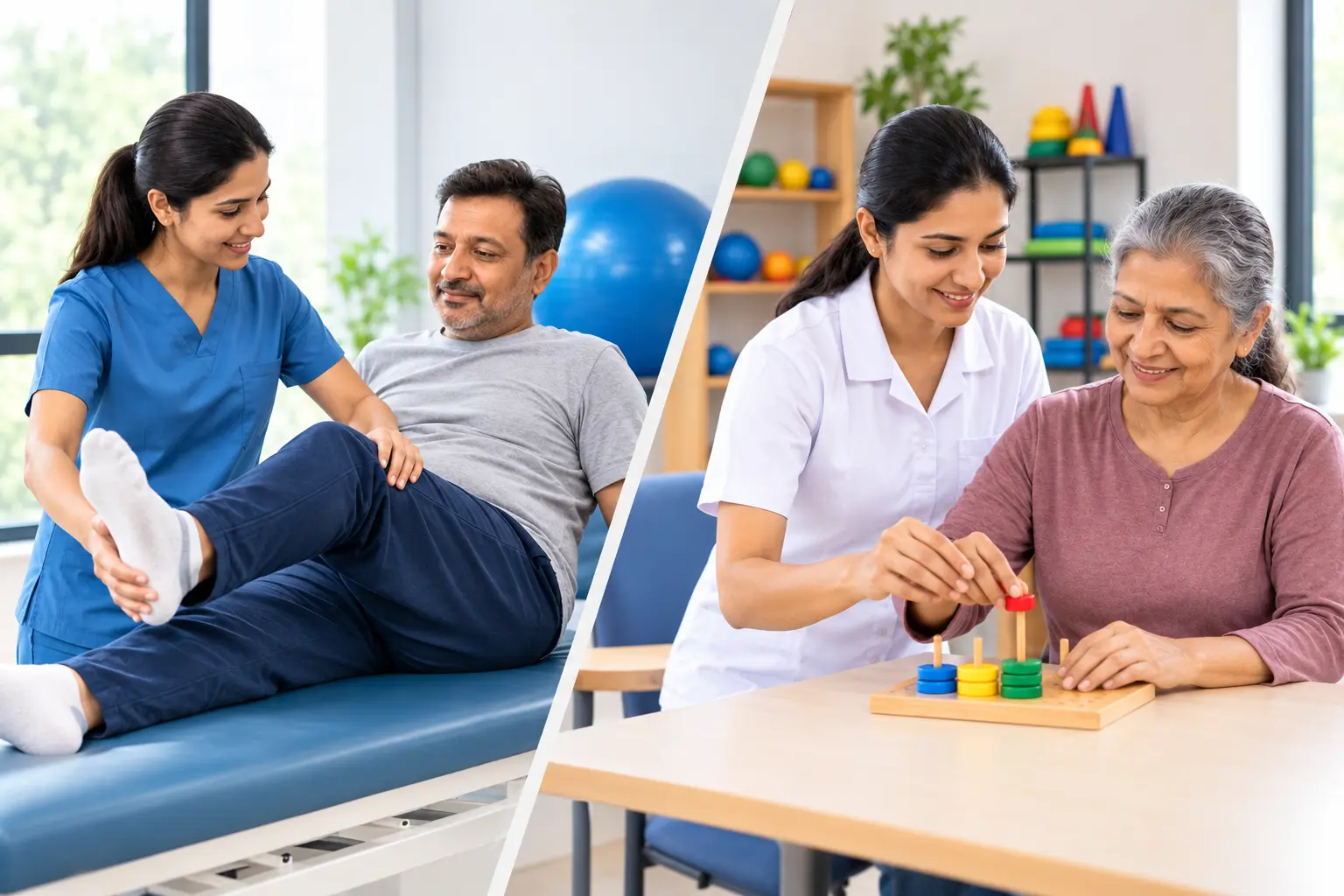
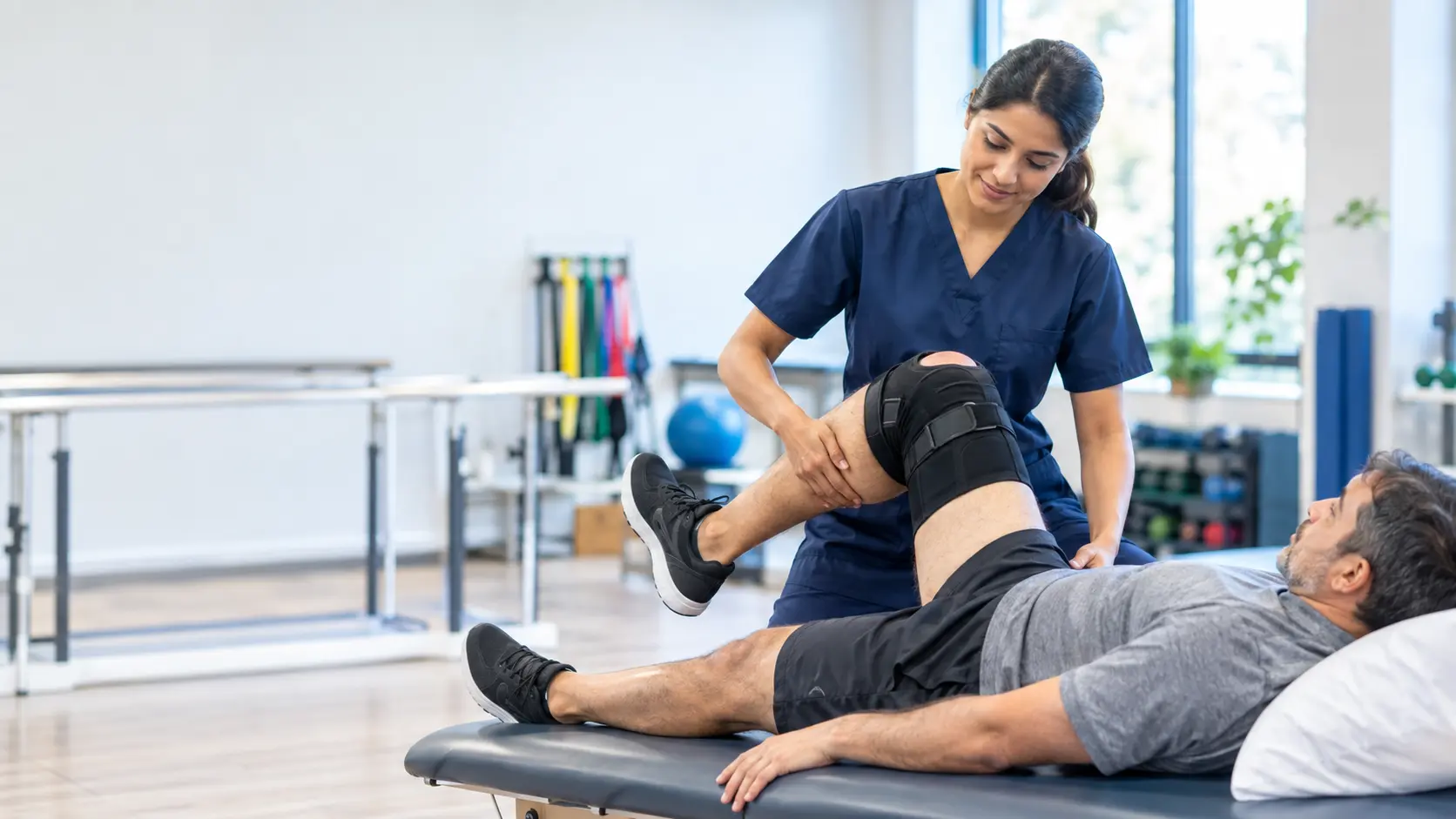
Whether recovering from a fracture or a joint replacement, the psychological fear of re-injury can be paralyzing. Our therapists work to build “movement confidence,” ensuring that patients feel safe and supported as they push their physical boundaries.
Children process physical limitations differently than adults. Our pediatric wing uses play-based therapy to ensure that rehabilitation is a positive, engaging experience, preventing the development of childhood trauma associated with medical environments.
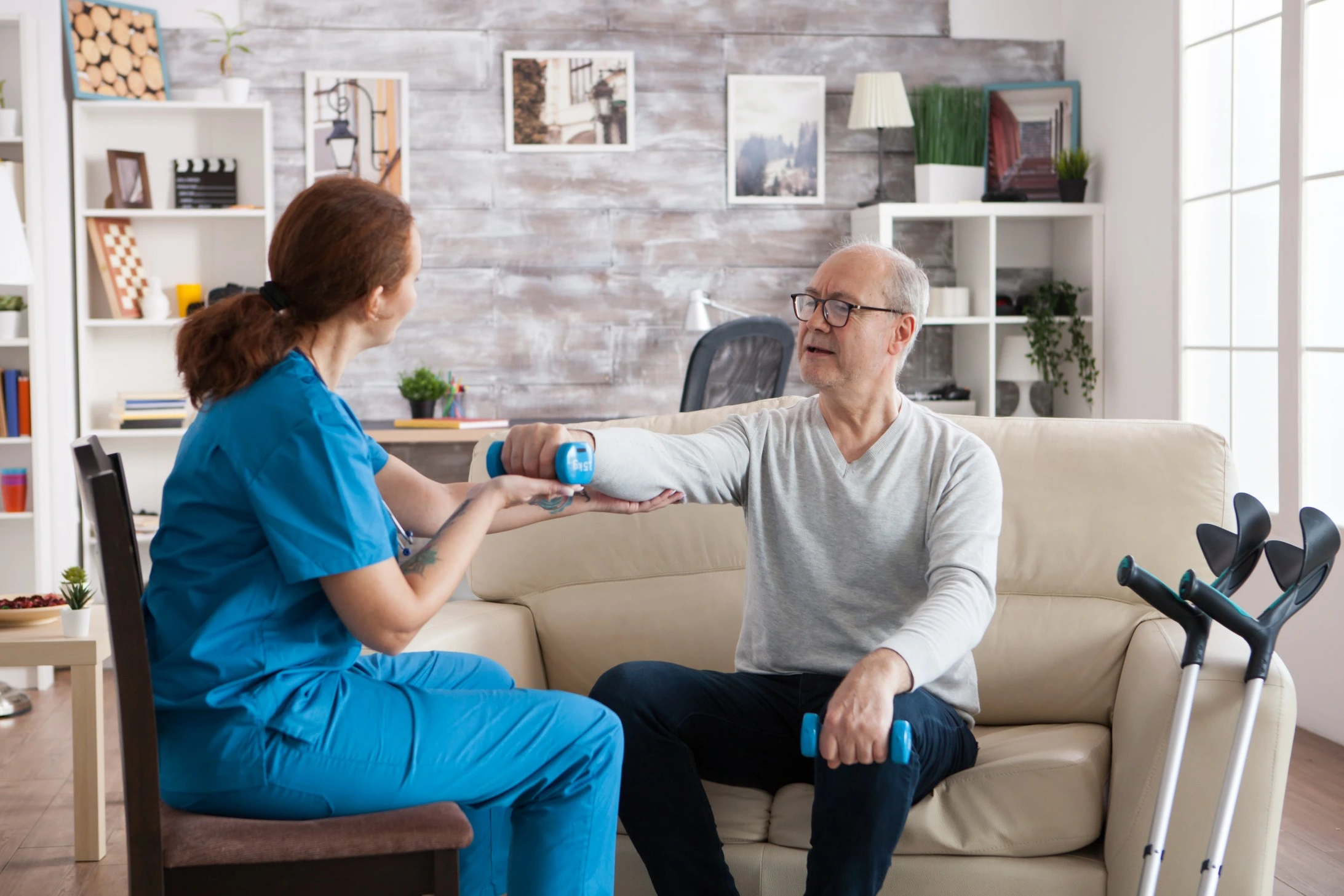
Aging often brings a fear of falling and a loss of autonomy. Our geriatric program focuses on Active Aging, providing social interaction and cognitive stimulation alongside physical strengthening to combat the depression often found in the elderly.
Chronic pain is as much a psychological phenomenon as a physical one. As the best pain clinic in Kolkata, MRC utilizes multidisciplinary strategies to manage pain. We help patients understand the difference between hurt and harm, reducing the anxiety that often amplifies pain signals in the nervous system.
Check Out: Debunking Physiotherapy and Rehabilitation Treatment Myths
Integrating mental health support into physical therapy isn’t just about feeling good; it’s about clinical outcomes. Mental health support in rehabilitation at MRC includes:
The psychology of rehabilitation dictates that the end of clinical treatment is not the end of the journey. To prevent relapse and ensure a return to a full life, a patient must possess the psychological tools to maintain their health.
When you choose MRC, you are choosing a partner who understands that your motivation, your fears, and your dreams are just as important as your physical therapy exercises. We provide the environment where the mind finds the strength to command the body back to health.
Mental health directly influences a patient’s motivation, pain perception, and adherence to treatment. Issues like depression or anxiety can physically slow down the body’s healing processes and reduce the effectiveness of therapy.
MRC adopts a holistic approach, incorporating goal-setting, emotional support, and patient education into every physical program. We focus on building the patient’s confidence and reducing the fear of movement.
Yes. At the MRC pain clinic, we use multidisciplinary approaches that include cognitive strategies to help patients reframe their relationship with pain, which significantly reduces the intensity and distress associated with chronic conditions.
MRC combines state-of-the-art physical therapy equipment with a deep understanding of the patient’s emotional journey. Our specialized programs for neuro, ortho, and geriatric care ensure that every aspect of a patient’s well-being is addressed under one roof.