Last updated on by MRC
Caring for aging parents or grandparents comes with a quiet responsibility—keeping them safe without taking away their independence. One of the most common yet preventable risks is falling. In fact, fall prevention for seniors is not just about safety—it’s about preserving dignity, confidence, and quality of life.
As mobility reduces with age, even familiar spaces at home can become hazardous. The good news is that with the right awareness and simple adjustments, preventing falls in older adults becomes achievable.
A fall can lead to serious injuries like fractures, head trauma, or long-term mobility issues. But beyond physical harm, it often brings fear – making seniors hesitant to move freely in their own home.
That’s why focusing on senior fall prevention at home is essential. A safe home environment helps elderly individuals stay active, independent, and emotionally secure.
The first step in prevent falls in elderly at home is eliminating unnecessary obstacles.
Even small adjustments can significantly reduce tripping hazards. A well-organized space promotes confidence and ease of movement.
Poor lighting is one of the biggest contributors to falls.
Good lighting plays a crucial role in how to prevent falls in seniors, especially for those with reduced vision.
Strategic support can make daily activities safer.
These simple additions are essential fall prevention tips for elderly, particularly in high-risk zones like bathrooms.
Many seniors prefer walking barefoot or in loose slippers, which increases the risk of slipping.
Footwear plays a bigger role than most people realize in elderly fall prevention tips.
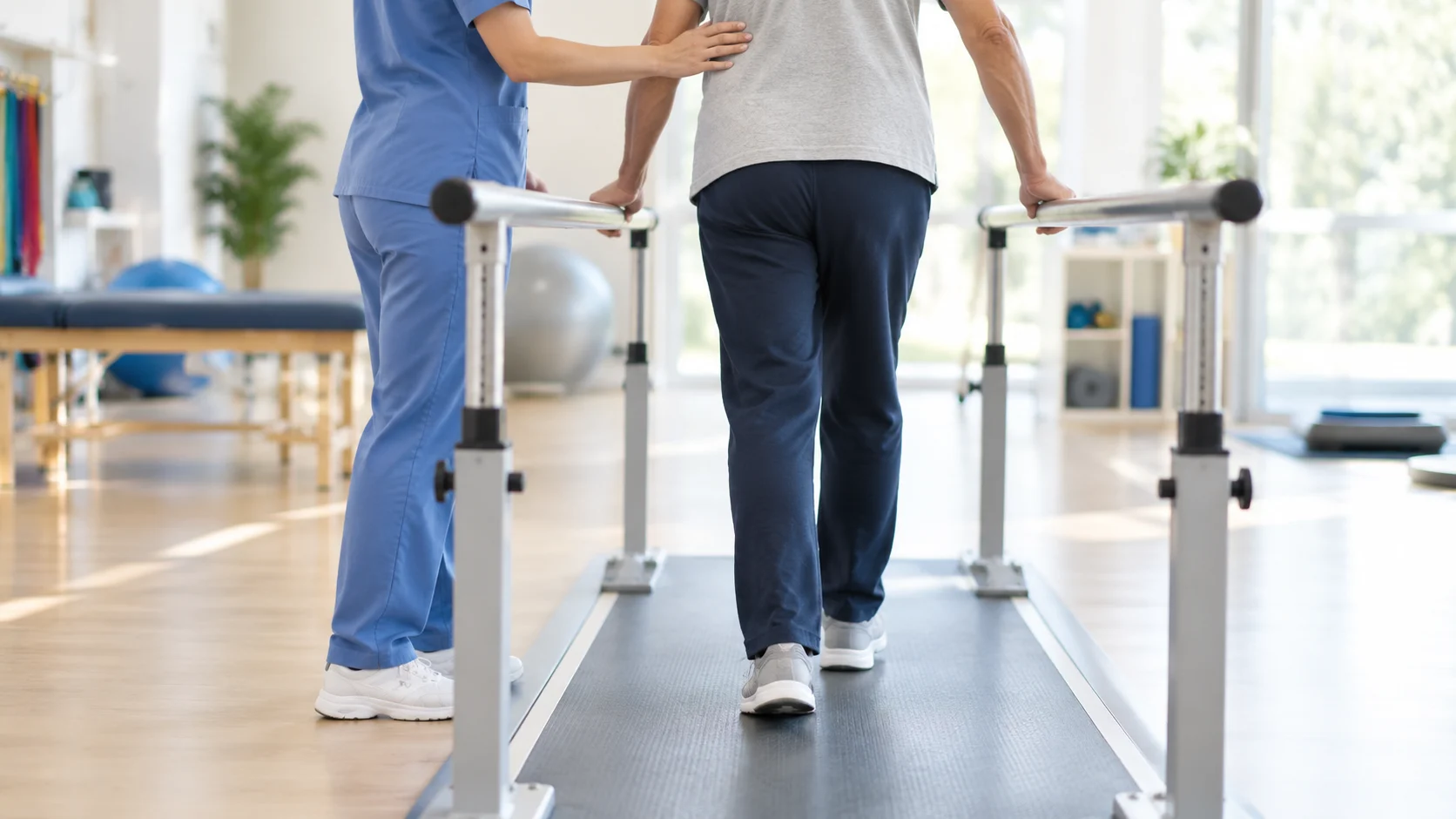
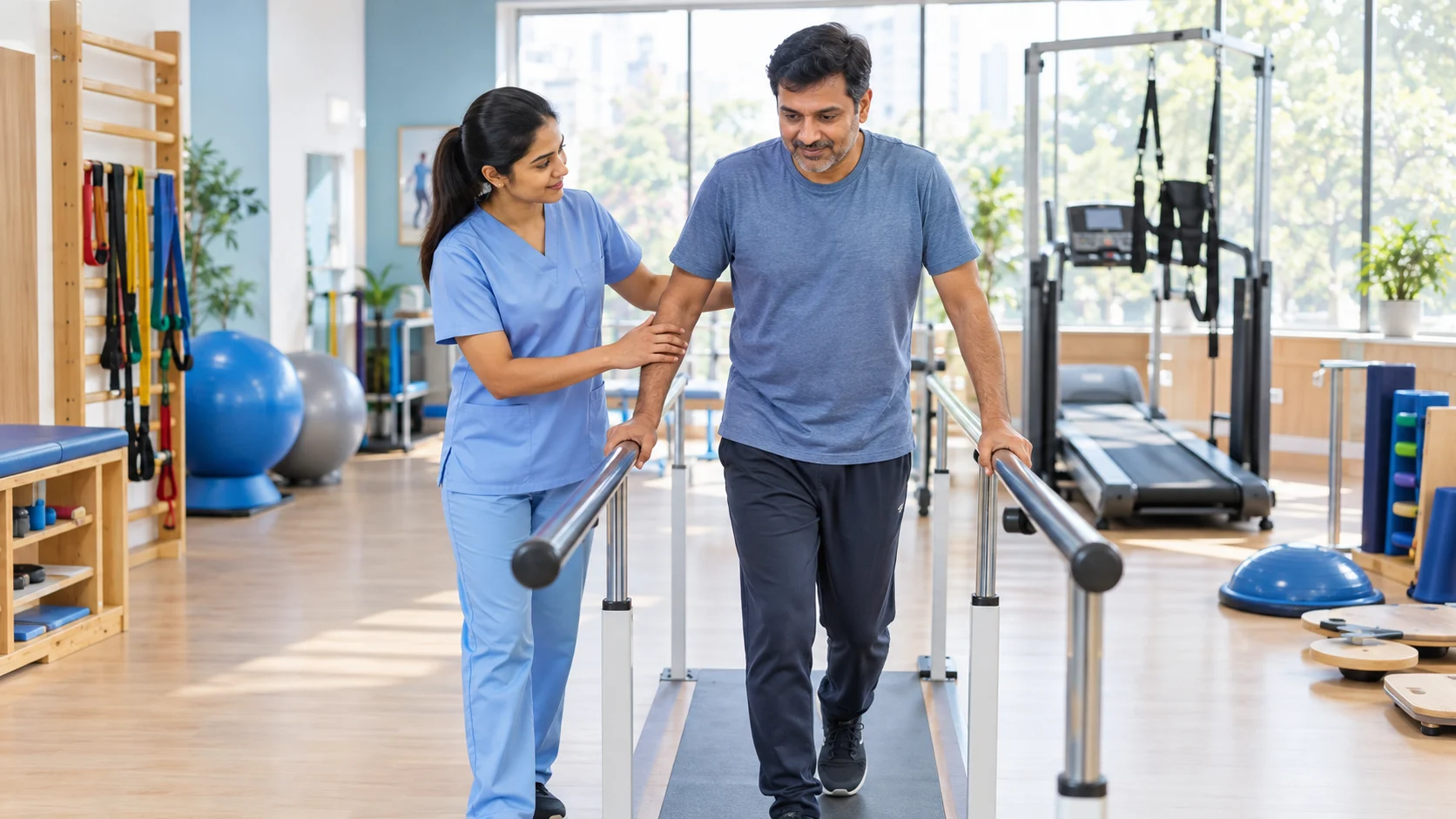
Physical strength and balance naturally decline with age, but regular activity can help.
Building strength is a long-term strategy for preventing falls in older adults and maintaining mobility.
Certain medications can cause dizziness or drowsiness, increasing fall risk.
Professional guidance is crucial here. Consulting the best pain clinic in Kolkata can help address mobility issues, chronic pain, and balance-related concerns effectively.
Even with precautions, accidents can happen. Being prepared makes a big difference.
This step ensures that help is always accessible, reducing anxiety for both seniors and caregivers.
Safety is not just about physical adjustments—it’s about emotional reassurance. Seniors should feel supported, not restricted. At the same time, it’s equally important to address everyday mistakes slowing down pain recovery and can affect healing and overall well-being. can affect healing and overall well-being.
When implementing fall prevention for seniors, involve them in decisions. Respect their comfort and preferences while making changes. This balance helps maintain their independence and self-worth.
If your loved one has already experienced a fall, shows signs of imbalance, or struggles with chronic pain, it’s important to act early.
A specialized consultation can identify underlying issues and provide targeted solutions. Clinics focusing on geriatric care and pain management can guide families on how to prevent falls in seniors with personalized plans.
Preventing falls is not about limiting movement it’s about enabling safe living. With thoughtful adjustments and proactive care, you can create a home where seniors feel secure, confident, and respected. By following these fall prevention tips for elderly, families can reduce risks while enhancing comfort and independence. Because at the end of the day, safety is the foundation of dignity in aging.
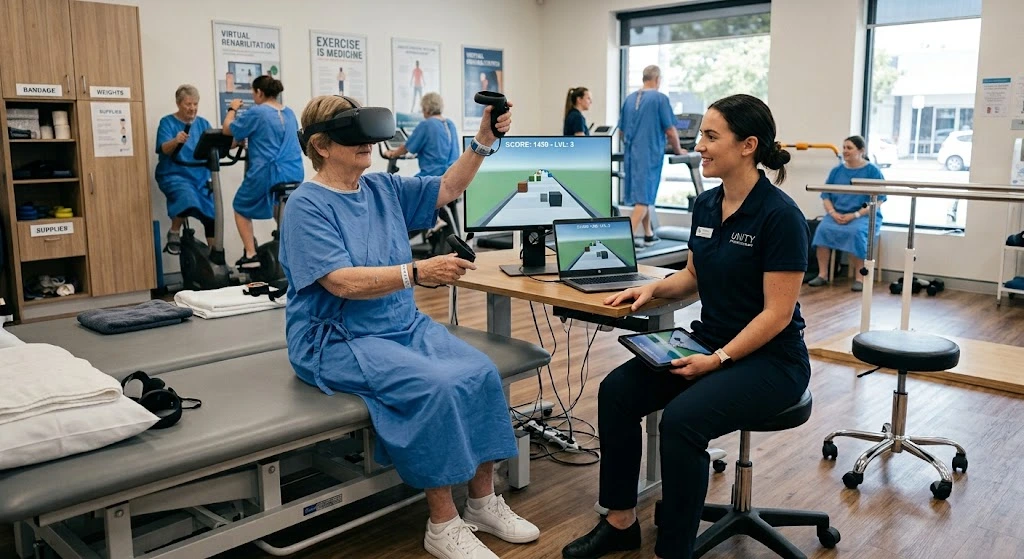
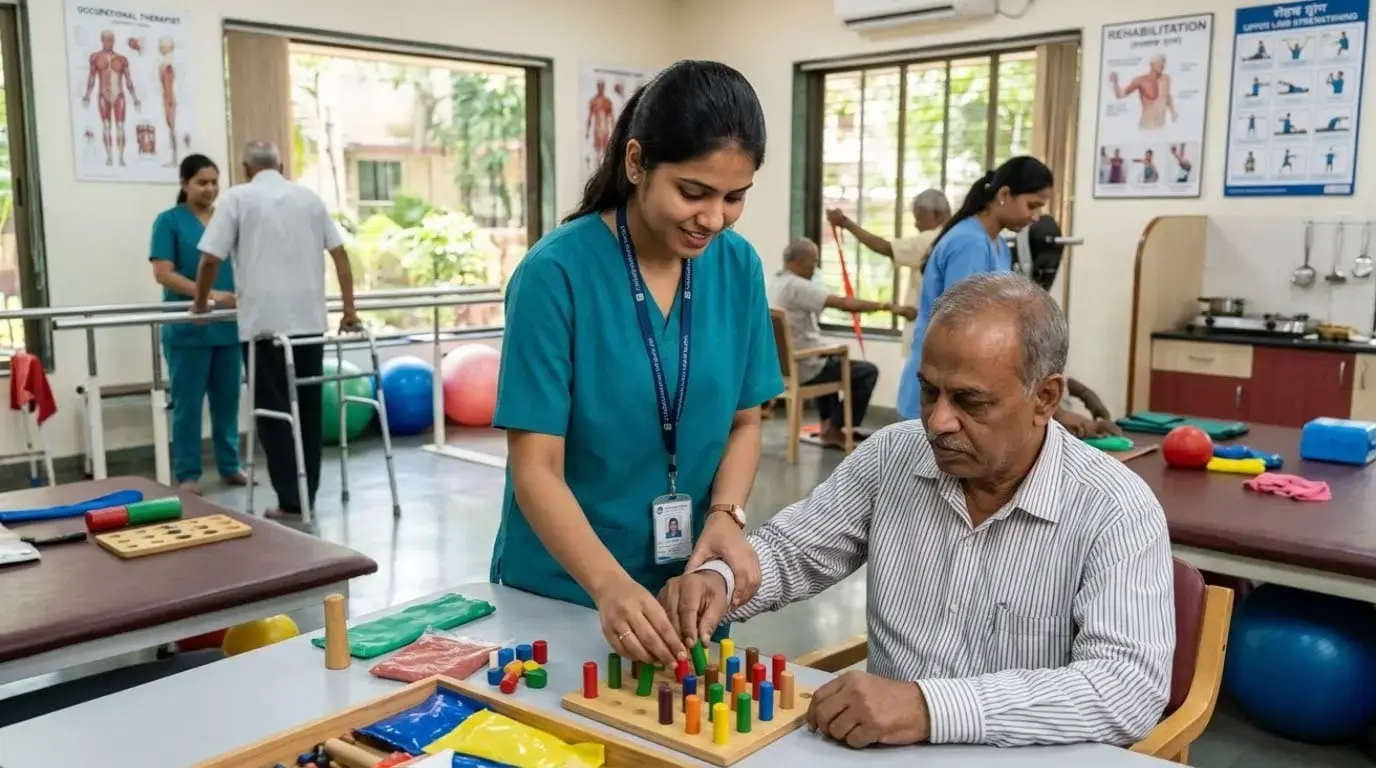
At MRC, we understand that effective fall prevention for seniors goes beyond basic safety measures. Our specialized orthopedic and geriatric care services are designed to support mobility, manage chronic pain, and address underlying conditions that increase fall risk. From personalized rehabilitation plans to expert guidance on preventing falls in older adults, our approach focuses on long-term strength, balance, and overall well-being.
Also Read: 5 Effective Rehab Exercises for Osteoarthritis Pain Management
Poor balance, weak muscles, slippery floors, poor lighting, and medication side effects are common causes.
Declutter spaces, improve lighting, install grab bars, and use nonslip flooring to enhance senior fall prevention at home.
Balance exercises, walking, and light strength training are effective for preventing falls in older adults.
If there are frequent slips, dizziness, or mobility issues, consult a specialist or the best pain clinic in kolkata.
Yes, some medications cause dizziness or drowsiness, increasing the likelihood of falls.