Last updated on by MRC
A sharp pain travelling from your lower back to your leg, persistent tingling in your fingers or numbness in your arms can make everyday activities difficult. These symptoms may indicate irritation or compression of a spinal nerve root. When left unaddressed, nerve-related pain can affect mobility, sleep and overall quality of life.
Although medications and physiotherapy help many patients, some continue to experience discomfort despite conservative treatment. Identifying the exact nerve responsible for the pain can also be challenging, especially when multiple spinal abnormalities are present.
A selective nerve root block can help address this diagnostic challenge. It is a minimally invasive injection procedure that helps identify the source of nerve-related pain and may provide relief by reducing inflammation around the affected nerve.
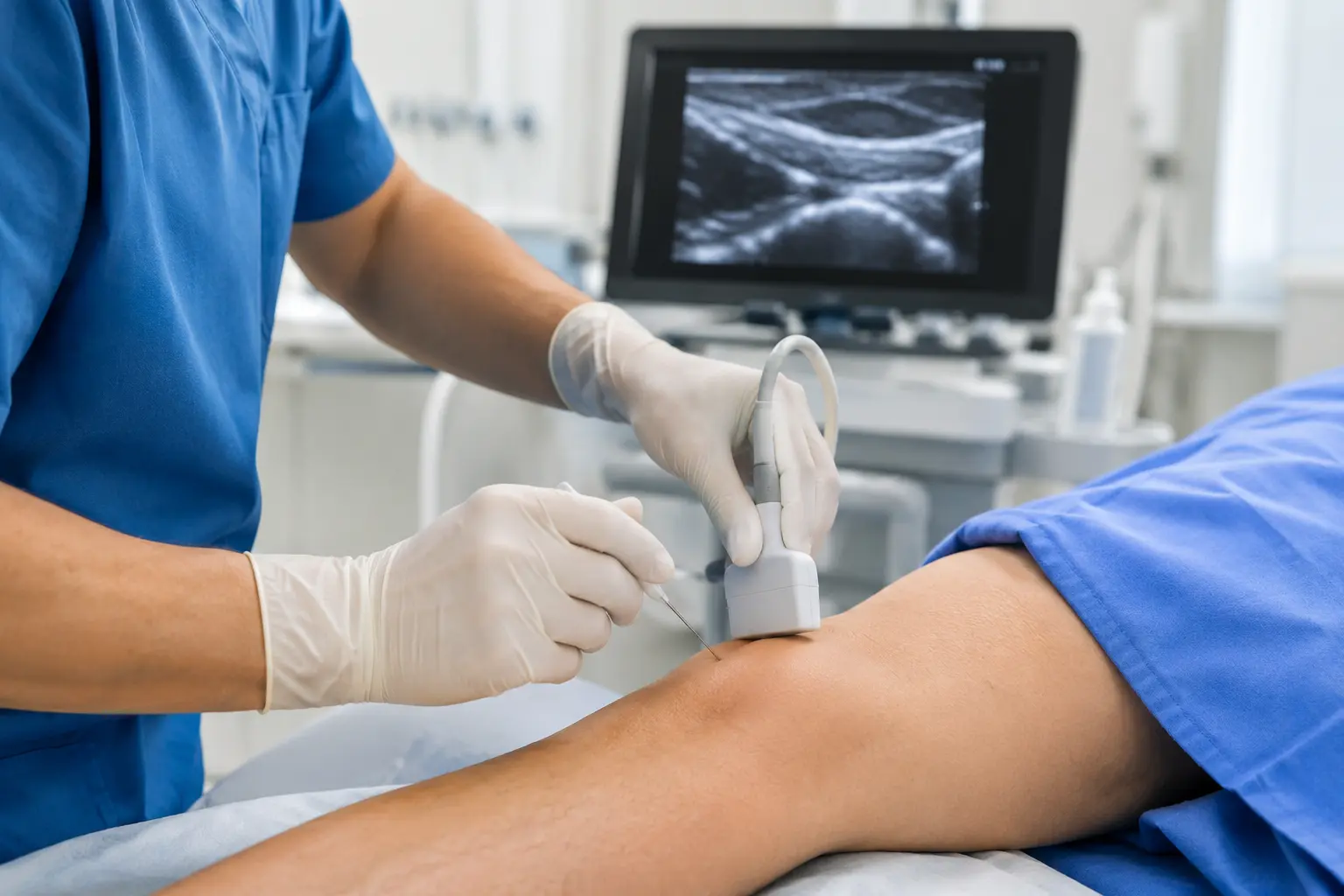
A selective nerve root block (SNRB) is an image-guided injection procedure used to diagnose and manage pain caused by an irritated or compressed spinal nerve root.
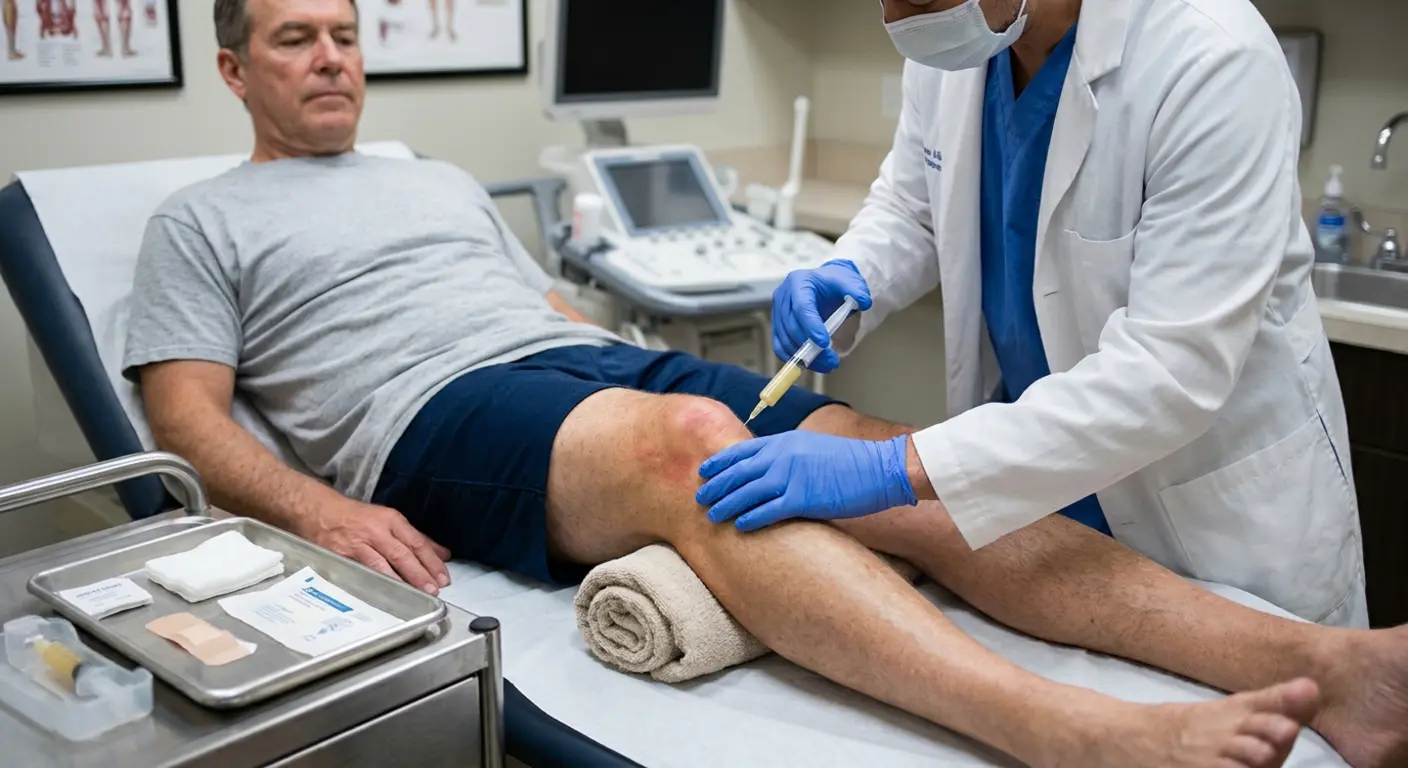
During the procedure, a specialist carefully places a thin needle near the suspected nerve and injects medication.
This may include:
The procedure has two purposes: diagnostic assessment and therapeutic pain management. The response to the injection helps doctors make informed decisions about further treatment.
Nerve root irritation develops when surrounding spinal structures compress or inflame a nerve.
Common causes include:
Patients may experience radiating pain, tingling, numbness, burning sensations or muscle weakness, depending on the affected nerve.
A selective nerve root block helps doctors identify the nerve contributing to pain and may reduce inflammation around it.
Diagnostic role: When MRI or CT scans show abnormalities at multiple spinal levels, identifying the actual source of pain can be difficult. A targeted injection containing local anaesthetic helps doctors assess whether a particular nerve is responsible. Pain reduction after the injection provides additional diagnostic information, although it is not conclusive on its own.
Therapeutic role: When corticosteroids are administered, they may reduce inflammation around the affected nerve. This can help decrease radiating pain and improve the patient’s ability to participate in everyday activities and physiotherapy.
Also Read: Neurolysis for Neuropathic Pain: How Targeted Nerve Interruption Can Manage Chronic Pain
A selective nerve root block is generally performed as an outpatient procedure using local anaesthesia.
The process typically involves:
Image guidance helps improve injection accuracy and reduces the risk of unintended medication placement.
A selective nerve root block offers several potential benefits:
However, the procedure is not entirely risk-free. Temporary soreness, numbness, weakness or increased pain may occur. Less common complications include infection, bleeding, allergic reactions and nerve injury. Rarely, serious neurological or vascular complications can occur.
Patients should inform their doctor about diabetes, bleeding disorders, active infections, allergies and blood-thinning medications before undergoing the procedure.
Some patients experience immediate relief due to the local anaesthetic. However, its effect is temporary. If corticosteroids are used, their anti-inflammatory effect may take several days to develop.
Patients are generally advised to avoid strenuous activities immediately after the procedure and follow their doctor’s recovery instructions.
Severe or worsening weakness, fever, or new bladder or bowel control problems require urgent medical assessment.
No. A nerve root block does not repair a herniated disc or reverse spinal stenosis. It primarily helps with diagnosis and symptom management.
The duration of relief varies depending on the underlying condition and individual response. Some patients experience relief for weeks or months, while others may have limited improvement.
Rehabilitation, physiotherapy and appropriate medical management may be recommended to support functional recovery.
Effective nerve irritation treatment requires accurate diagnosis, appropriate intervention and structured rehabilitation.
With over 25 years of experience, Medical Rehabilitation Centre (MRC), Kolkata, provides comprehensive rehabilitation and pain management services. Founded by Dr. Mouli Madhab Ghatak, an MBBS-qualified rehabilitation specialist with training in Physical Medicine and Rehabilitation at SSKM and IPGMER, along with clinical orientation in the UK and USA, MRC follows a multidisciplinary approach to patient care.
Its services include inpatient, outpatient and home-based rehabilitation, supported by medical assessment, physiotherapy and specialised rehabilitation facilities.
As a specialised pain clinic in Kolkata, MRC focuses on identifying the underlying causes of pain and developing appropriate treatment pathways. A selective nerve root block may be considered as part of an individualised treatment plan when clinically indicated.
Visit MRC’s website to learn more about its pain management and rehabilitation services.
It helps identify a specific nerve responsible for radiating pain and may reduce inflammation associated with conditions such as sciatica and cervical or lumbar radiculopathy.
Local anaesthesia is used to minimise discomfort. Some patients may experience temporary pressure or soreness.
Local anaesthetic may provide immediate temporary relief, while corticosteroids may take several days to produce an effect.
It cannot remove or repair a herniated disc but may help reduce inflammation and associated nerve pain.
No. It provides diagnostic information and potential temporary pain relief. Further treatment may be required depending on the underlying condition.