wp image

Biofeedback Therapy: How It Works, Its Benefits, and Common Uses

Last updated on by MRC


After a stroke, many patients find that their muscles no longer respond the way they once did. An arm feels heavy, a foot drags, or the hand refuses to open fully. Part of the challenge is that the brain has lost its clear connection with these muscles, so the patient cannot easily “feel” what is happening. Biofeedback therapy helps rebuild that connection.

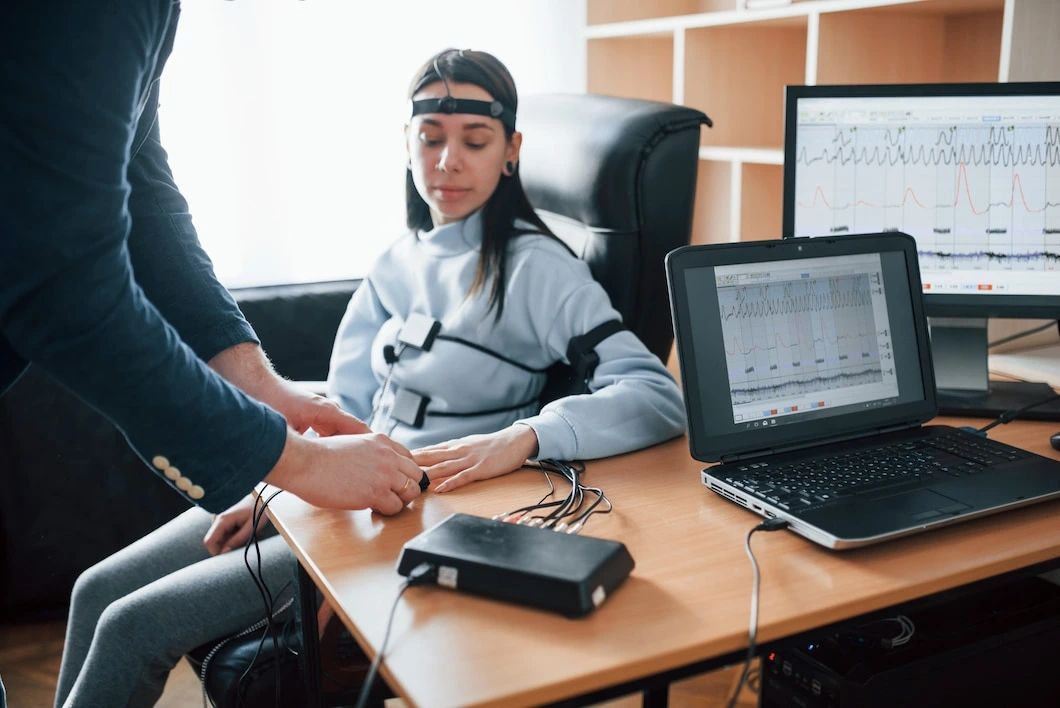
Biofeedback is a non-invasive, drug-free technique that uses sensors to measure body signals such as muscle activity, heart rate or skin temperature, and shows them to the patient in real time on a screen or through sounds. By seeing and hearing what their body is doing, patients learn to consciously control functions that have become weak or difficult to manage.

In stroke rehabilitation, biofeedback is used alongside physiotherapy and occupational therapy to retrain movement, improve muscle activation and support balance. This guide from Medical Rehabilitation Center (MRC), pain clinic in Kolkata explains what biofeedback is, how it works, its benefits and its uses.

What Is Biofeedback?

Biofeedback is a process of gaining awareness of the body’s internal functions by using electronic instruments to “feed back” information about them. Many of these functions, like muscle tension or heart rate, happen without us noticing. Biofeedback makes them visible.

What Is Biofeedback Therapy?

Biofeedback therapy is the structured, clinical use of biofeedback by a trained therapist to achieve specific health goals. In a session, the therapist sets targets, such as activating a weak muscle or relaxing a tight one, and the patient practises reaching those targets while watching live feedback.

Over repeated sessions, the patient learns to produce the right response without the machine. In rehabilitation, this helps the brain form new pathways, a process known as neuroplasticity.

Also Read: How Physical Therapy Helps Control Muscle Spasms from Nerve Disorders

What Is Biofeedback Treatment Used For?

Biofeedback treatment is usually part of a wider treatment plan rather than a standalone cure. It is used to:

  • Restore muscle control after neurological injury
  • Reduce muscle tension and stress responses
  • Improve awareness of posture and movement
  • Support pain management and relaxation

How Does Biofeedback Therapy Work?

A typical biofeedback session follows a simple process:

  1. Sensors are placed on the skin over the target muscle or area. These are painless and non-invasive.

  2. Body signals are recorded and converted into visual graphs, numbers, lights or sounds.

  3. The therapist guides the patient to change the signal, for example by contracting a muscle more strongly or relaxing it.

  4. The patient practises until they can reproduce the response with less help from the feedback.

Sessions usually last 30 to 60 minutes. The number of sessions depends on the condition and the patient’s progress.

Common Types of Biofeedback

  • EMG (electromyography) biofeedback: Measures muscle activity. Widely used in stroke and neuro rehabilitation.

  • Pressure and balance biofeedback: Uses force platforms to show weight distribution, helping with standing balance and gait.

  • Heart rate variability (HRV) biofeedback: Tracks heart rhythm to help with stress and breathing control.

  • Thermal biofeedback: Measures skin temperature, often used for relaxation and headaches.

  • Neurofeedback (EEG biofeedback): Monitors brainwave activity.

Biofeedback Therapy in Stroke Rehabilitation

Stroke often damages the brain areas that control movement, leaving one side of the body weak (hemiparesis). Some muscles may barely activate, while others become overactive or stiff. Biofeedback helps in several ways:

  • Muscle re-education: EMG biofeedback shows even very small muscle signals, encouraging patients to strengthen activation in weak muscles of the arm, hand or leg.

  • Managing spasticity: Patients learn to relax overactive muscles that interfere with movement.

  • Improving balance and walking: Balance platforms show whether weight is shifted evenly, helping patients stand and walk more symmetrically.

  • Hand function: Feedback helps retrain grip and release for daily tasks.

At MRC, biofeedback is integrated into a multidisciplinary stroke rehabilitation program that includes motor re-education, occupational and hand therapy, speech therapy, dysphagia management and cognitive therapies.

Benefits of Biofeedback Therapy

  • Non-invasive and drug-free: No needles, medication or side effects from drugs.

  • Real-time learning: Patients see results instantly, which speeds up learning.

  • Active participation: Patients take an active role in their own recovery.

  • Measurable progress: Therapists can track improvement objectively from session to session.

  • Supports other therapies: Works well alongside physiotherapy, occupational therapy and robotic rehabilitation.

  • Builds independence: Skills learned in sessions carry over into daily activities.

Uses of Biofeedback

The uses of biofeedback extend well beyond stroke. Common applications include:

  • Neurological conditions: stroke, spinal cord injury, brain injury, cerebral palsy and Parkinson’s disease

  • Musculoskeletal problems: muscle weakness after injury or surgery, and postural issues

  • Pain management: chronic back pain, neck pain and tension headaches

  • Bladder and bowel control: pelvic floor muscle training for incontinence and constipation

  • Stress and anxiety: relaxation training using breathing and heart rate feedback

An assessment by a rehabilitation specialist decides whether it is suitable.

Final Thoughts

Biofeedback therapy turns invisible body signals into useful information, helping patients retrain muscles and regain control. For stroke survivors, it makes rehabilitation more focused and measurable.

If you or a loved one is recovering from a stroke or another neurological condition, the team at MRC, Stroke Rehabilitation Centres in Kolkata, can assess whether biofeedback therapy is right for you as part of a personalised rehabilitation plan.

Frequently Asked Questions

Is biofeedback therapy painful?

No. The sensors simply rest on the skin and record signals. There are no needles or electric shocks involved.

How many sessions of biofeedback are needed?

It varies by condition and goals. Many patients need several sessions over a few weeks, and your therapist will review progress regularly.

Can biofeedback help stroke patients regain movement?

Biofeedback can help improve muscle activation, control and balance after stroke, especially when combined with physiotherapy and occupational therapy. Results vary from patient to patient.

Who should not have biofeedback therapy?

Most people can safely undergo biofeedback. However, patients with severe cognitive impairment may find it difficult to follow feedback. Your rehabilitation doctor will assess suitability.

Is biofeedback a replacement for physiotherapy?

No. Biofeedback is a supporting tool that makes physiotherapy and other rehabilitation therapies more effective.


Biofeedback Therapy: How It Works, Its Benefits, and Common Uses

Essential Nutrients That Parkinson’s Disease Patients Should Include in Their Daily Diet

Selective Nerve Root Block: Understanding Its Role in Nerve Irritation Treatment

Types of PRP for Knee Pain: Understanding Different Plasma Therapy Formulations

Intrathecal Baclofen Pump for Spasticity: Mechanism of Action, Clinical Applications and Outcomes

Neurolysis for Neuropathic Pain: How Targeted Nerve Interruption Can Manage Chronic Pain

Is PRP Safe for Cancer Patients? Why Cancer Is the Biggest Exception to PRP Therapy

Conditions Treated by Physiotherapists and Occupational Therapists: A Complete Guide

Post-Surgery Orthopedic Rehab: Why the First Few Weeks Matter Most

Understanding Gait Training: How Rehab Helps Patients Walk Again