Last updated on by MRC
Recovery after a neurological condition is often a long and challenging process that affects movement, balance, speech, memory, and emotional well-being. Conditions such as stroke, spinal cord injury, Parkinson’s disease, traumatic brain injury, and paralysis can significantly change a person’s ability to perform daily activities independently. With advancements in rehabilitation science, modern neurological physiotherapy now focuses not only on symptom management but also on retraining the brain and body to regain lost functions.
At MRC, a pain management hospital in Kolkata, neurological rehabilitation programs are designed around evidence-based physiotherapy, functional recovery training, and patient-specific rehabilitation goals. The focus is on improving mobility, restoring confidence, and helping patients return to daily life with greater independence.
Neurological rehabilitation is a specialized branch of physiotherapy that helps individuals recover from disorders affecting the brain, spinal cord, and nervous system. The rehabilitation process involves structured physical therapy, occupational therapy, balance retraining, gait correction, speech therapy, and cognitive support depending on the patient’s condition.
Patients commonly seek neurological rehabilitation for conditions such as:
Recent rehabilitation research has increasingly emphasized early physiotherapy intervention because delayed rehabilitation may reduce the chances of functional recovery. Early movement training and repetitive task-based therapy are now widely used to improve neuroplasticity, which is the brain’s ability to reorganize and form new neural connections after injury.
One of the major reasons neurological rehabilitation fails in many cases is the use of generalized exercise programs. Every neurological condition affects the body differently, which is why rehabilitation begins with a detailed clinical assessment.
At MRC, physiotherapists assess several important areas before designing a treatment plan, including:
This assessment helps therapists understand both the physical and functional limitations of the patient. Rehabilitation goals are then planned according to the patient’s age, condition severity, recovery stage, and lifestyle requirements.
Neurophysiotherapy or Neurological Rehabilitation has evolved significantly over the past few years. Current rehabilitation strategies focus on functional movement retraining instead of isolated exercises alone.
Patients practice real-life functional activities repeatedly to improve brain-muscle coordination. This may include:
Repetitive functional training encourages neuroplastic changes that support motor recovery.
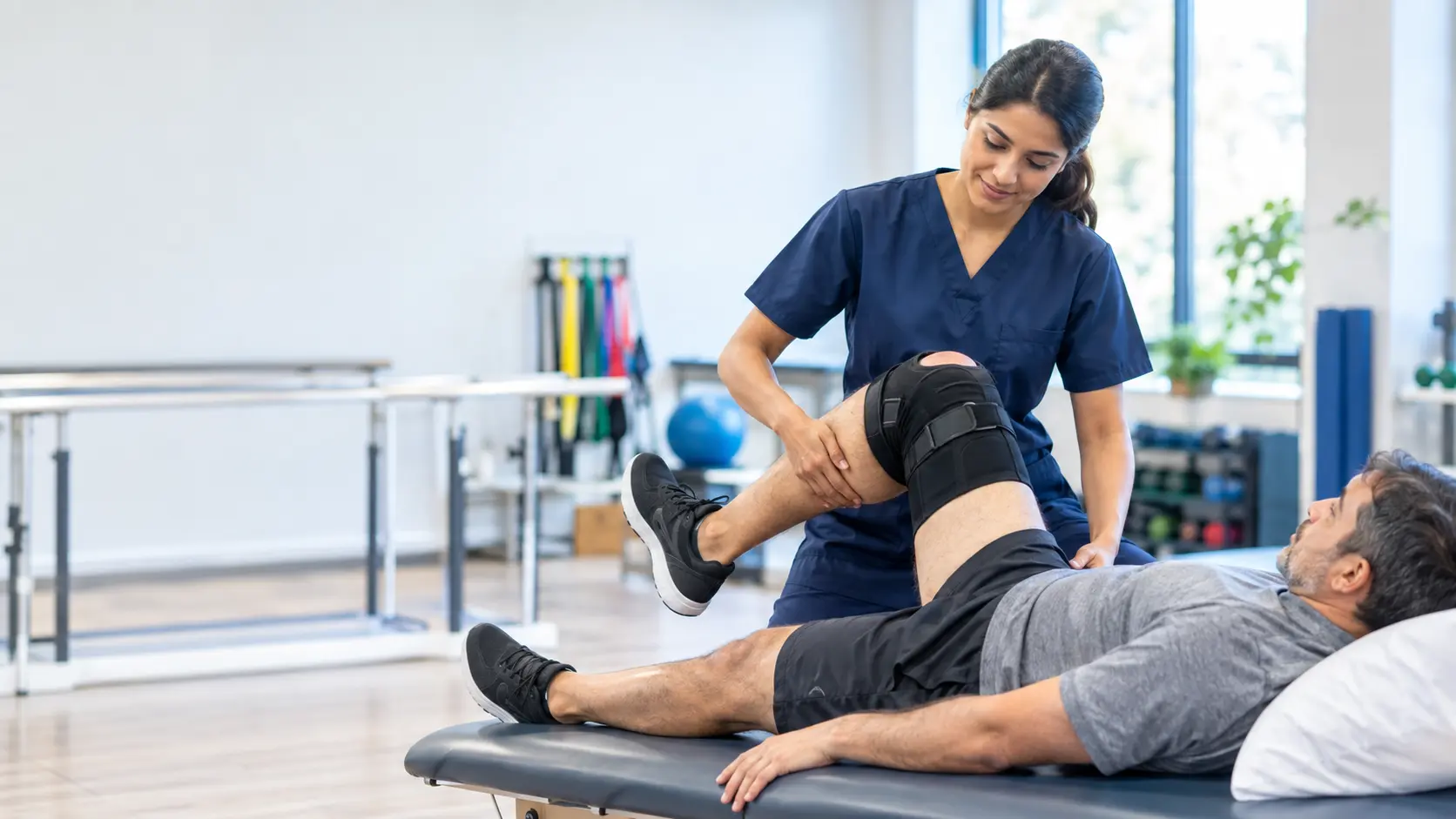
Many neurological patients develop walking instability due to muscle weakness, spasticity, or poor coordination. Gait rehabilitation may involve:
Balance retraining is particularly important for stroke survivors and elderly neurological patients who are at higher risk of falls.
Targeted physiotherapy exercises help improve:
Controlled strengthening programs also help reduce muscle wasting during prolonged recovery periods.
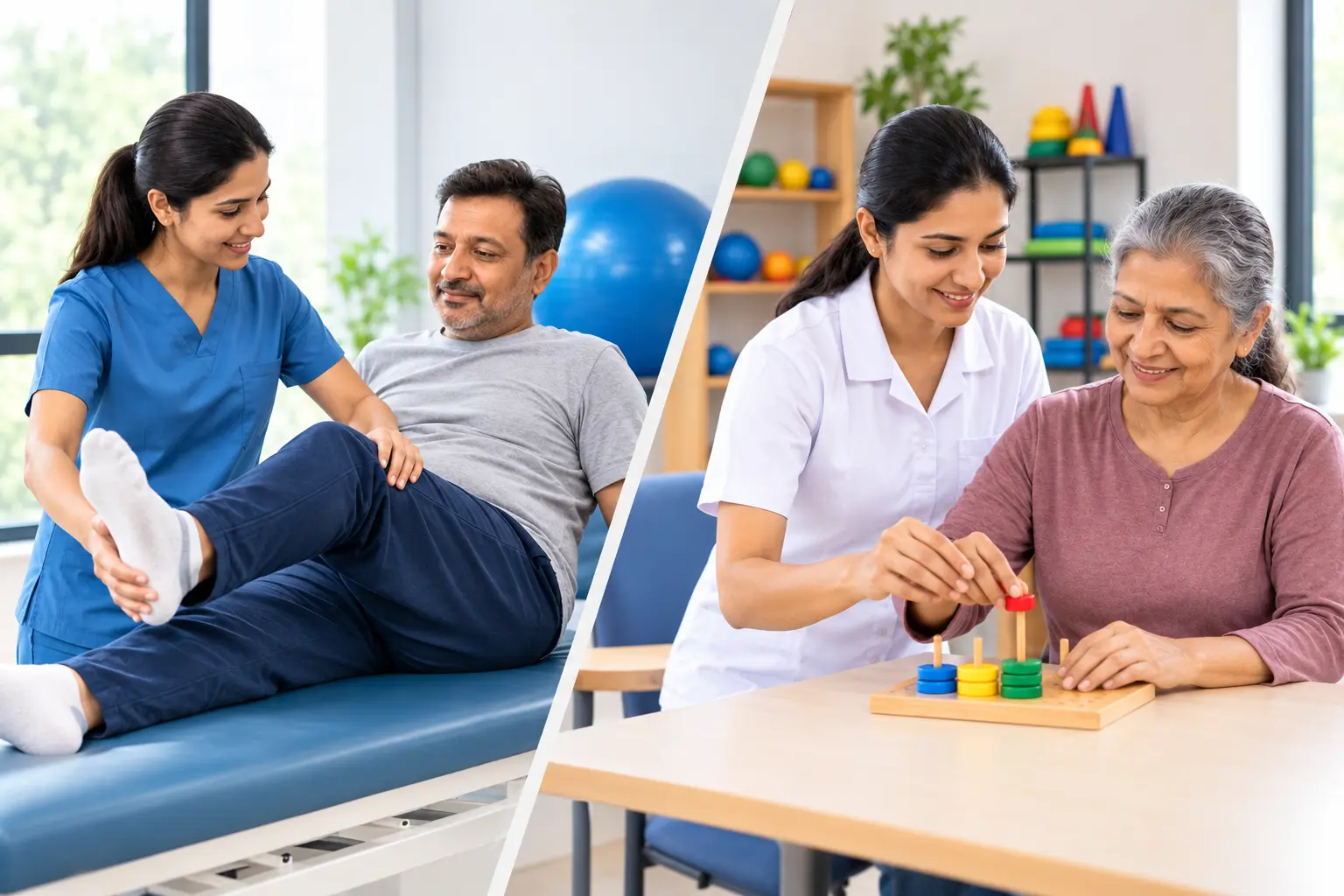
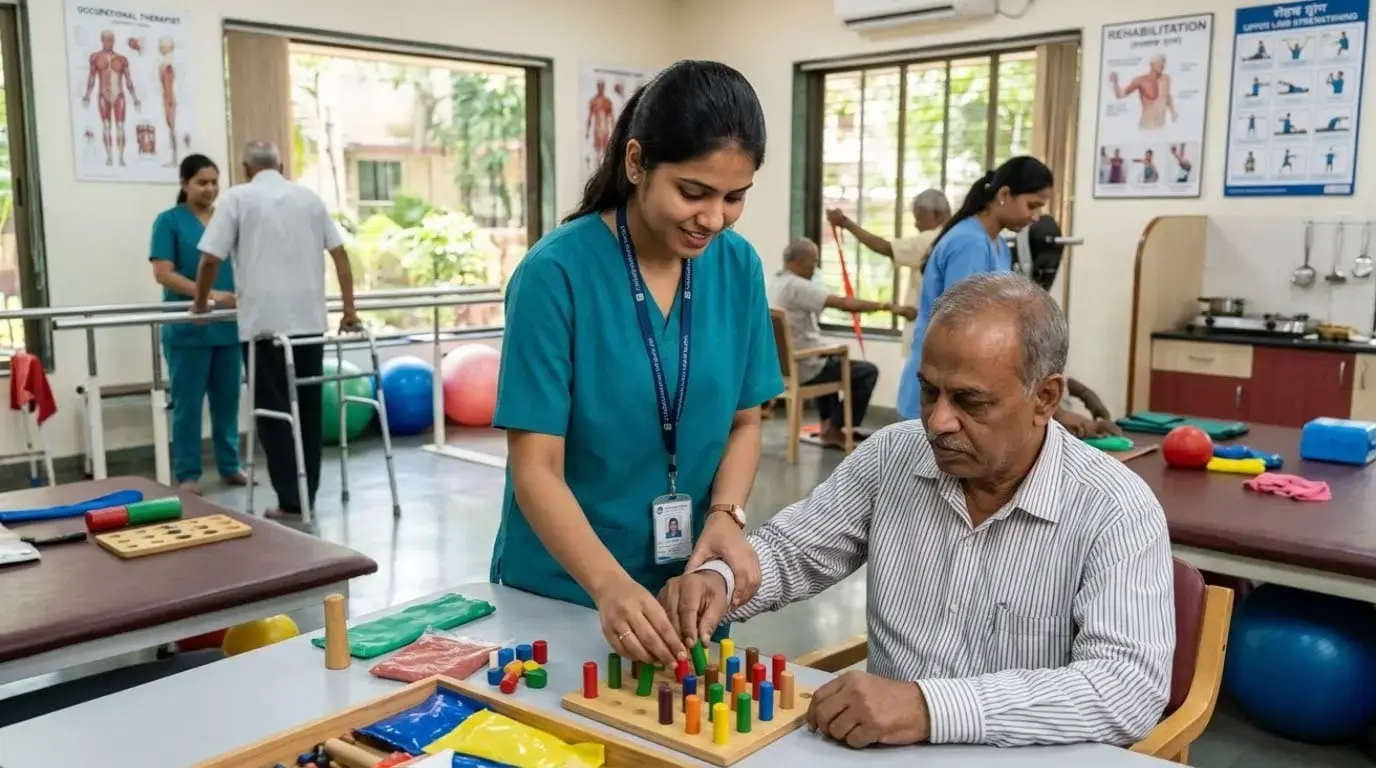
Neurological rehabilitation extends beyond movement recovery. Many patients struggle with routine activities such as dressing, eating, writing, or holding objects. Occupational therapy helps patients relearn these daily functions using adaptive training methods.
Therapists may introduce:
This approach supports greater independence at home and improves overall quality of life.
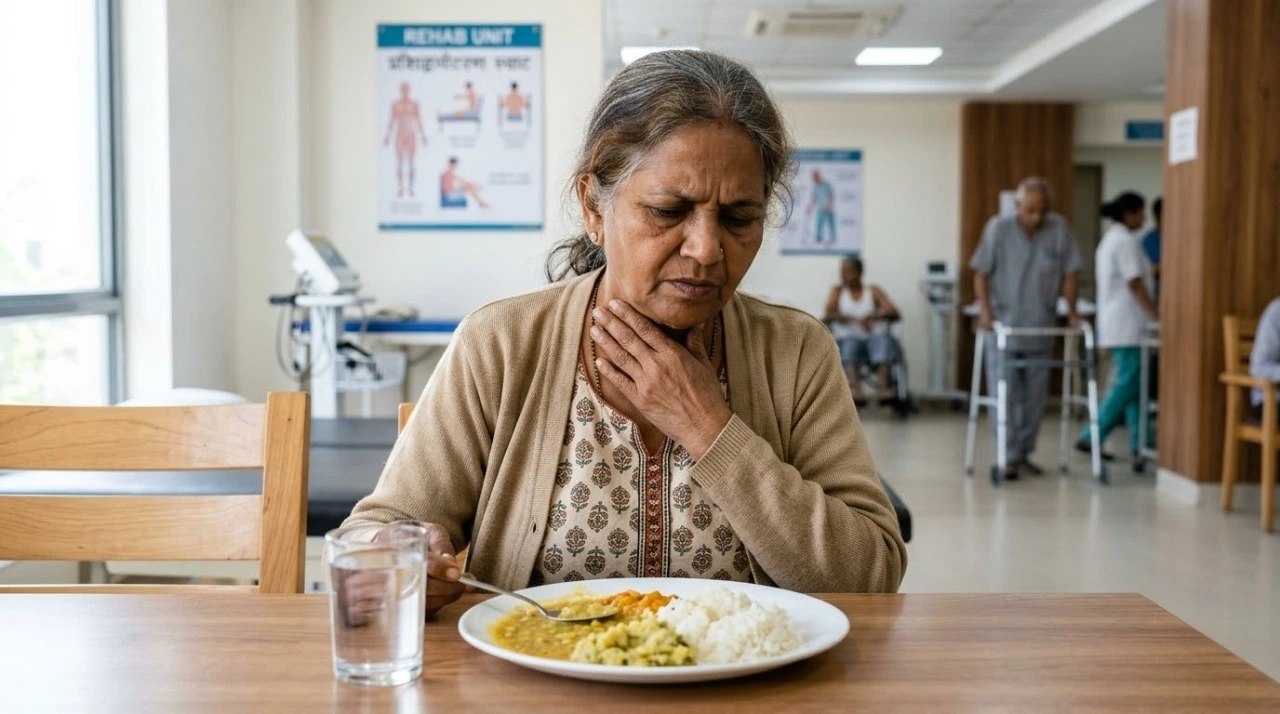
Neurological disorders can affect communication, swallowing, memory, and concentration. Stroke patients, in particular, may develop speech difficulties such as aphasia or dysarthria.
Speech and cognitive rehabilitation may focus on:
Integrated rehabilitation helps address both physical and cognitive recovery together instead of treating them separately.
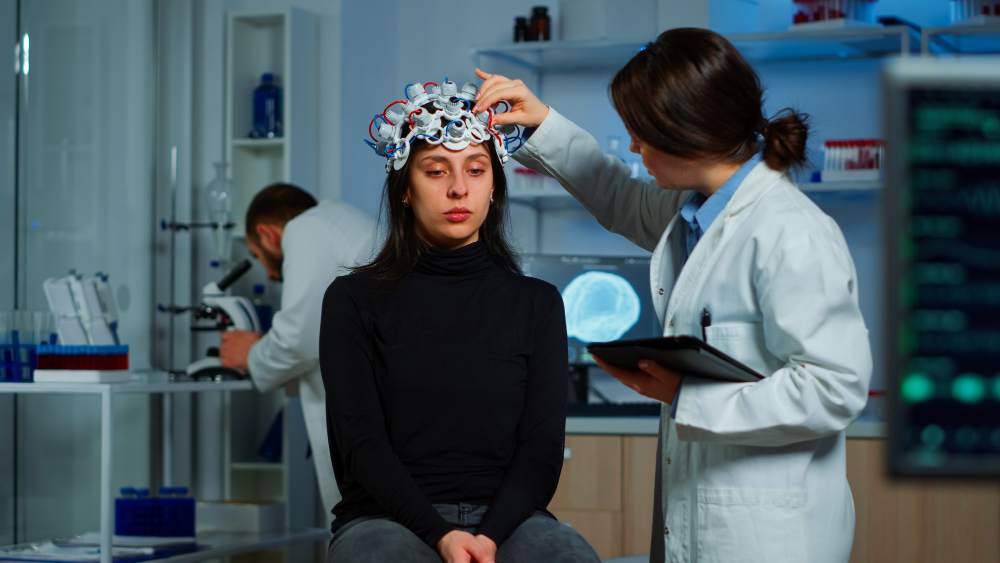
Modern neurological rehabilitation strongly relies on neuroplasticity principles. Scientific studies have shown that the brain can develop alternative neural pathways through repetitive and meaningful movement practice.
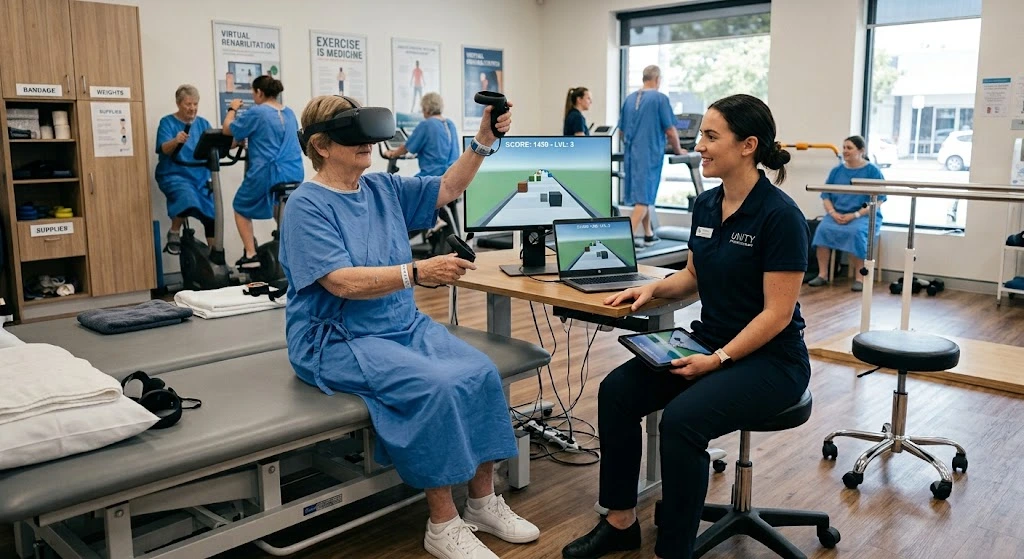
Current physiotherapy programs increasingly incorporate:
These approaches are designed to stimulate brain adaptation and improve long-term functional outcomes.
Neurological recovery is not only physical. Many patients experience anxiety, frustration, depression, or loss of confidence during rehabilitation. Emotional support and family involvement often play an important role in maintaining consistency throughout therapy.
A collaborative rehabilitation environment helps patients stay motivated and encourages gradual progress through realistic recovery goals.
Recovery from neurological conditions usually requires long-term commitment. Improvements may occur gradually over several months depending on:
Structured rehabilitation combined with home exercise guidance often produces better functional improvement than irregular therapy sessions.
Neurological rehabilitation has become far more advanced with the integration of evidence-based physiotherapy, neuroplasticity-focused treatment methods, balance retraining, and functional recovery programs. Patients recovering from stroke, paralysis, spinal cord injury, or other neurological conditions now have access to more targeted rehabilitation approaches that focus on restoring independence and improving quality of life.
At MRC, rehabilitation programs are designed to address both physical recovery and functional independence through personalized physiotherapy, occupational therapy, and supportive care. With early intervention, structured rehabilitation, and consistent therapy, many neurological patients can achieve meaningful improvement in mobility, balance, coordination, and daily functioning.
Neurological rehabilitation helps patients recover movement, balance, coordination, and daily function after conditions affecting the brain or nervous system.
It is commonly recommended for stroke, paralysis, spinal cord injury, Parkinson’s disease, traumatic brain injury, and balance disorders.
Early rehabilitation improves recovery chances by helping the brain and body regain function faster through guided therapy.
Physiotherapy improves strength, walking, balance, flexibility, and independence through structured exercises and movement training.