Last updated on by MRC
Scoliosis is a complex structural condition characterized by an abnormal, sideways curvature of the spine, often twisting it into an “S” or “C” shape. Correcting this curvature via surgical intervention puts immense physical stress on your body. The hardware is in place, but your body now faces the massive task of fusing bone, repairing deep tissue cuts, and retraining dormant muscles.
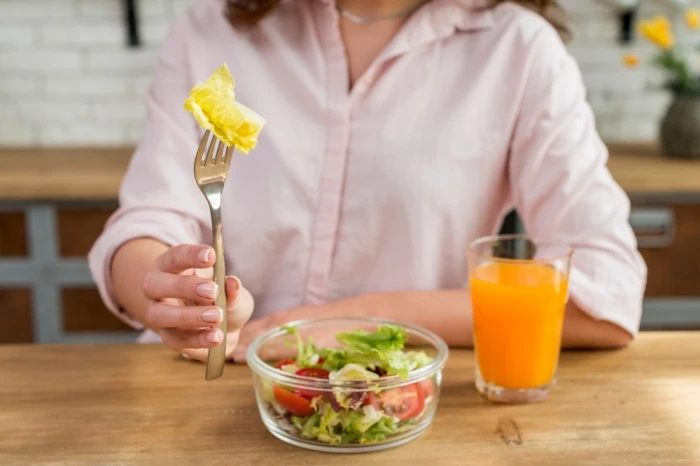
What you put on your plate during this critical window dictates your recovery timeline. If you want to supercharge your healing, manage pain naturally, and protect your mobility, your kitchen is your secondary operating room. Here is how to build the ultimate scoliosis diet plan to transform your recovery.
Surgical trauma triggers an immediate, aggressive inflammatory response. While a baseline level of swelling signals that healing has begun, unchecked chronic inflammation leads to throbbing post-operative pain and delayed tissue repair. Shifting to an targeted anti-inflammatory diet acts like a natural, systemic pain reliever.
For a spinal intervention to be permanently successful, your vertebrae must successfully fuse into a solid, stable column around the corrective hardware. To build that new bone matrix, your body requires a continuous supply of highly bioavailable minerals.
During the initial weeks of scoliosis recovery, your physical activity will be strictly limited. This sudden sedentary state, combined with the fact that deep back muscles were disrupted during surgery, creates a perfect storm for back muscle atrophy (the wasting away of muscle tissue).
To protect your core strength and prevent muscle atrophy, your body needs a steady stream of amino acids to repair and maintain muscle mass:
Also Read: Low Back Pain Management Through Structured Rehabilitation Programs
A side effect that catches many scoliosis patients off guard is severe post-op constipation. A combination of heavy anesthesia, opioid pain medications, and reduced mobility can cause your digestive tract to grind to a halt.
Prioritizing digestive comfort in your scoliosis diet plan prevents painful straining, which can stress your lower back:
Just as some foods build your spine up, others actively tear your recovery down. Eliminate these culprits to protect your healing trajectory:
Eating a pristine diet gives your body the raw materials it needs to heal, but physical rehabilitation is what sculpts those materials into a strong, flexible, and functional upright posture.
At MRC (Medical Rehabilitation Center), widely recognized as the best pain clinic in Kolkata, we specialize in comprehensive post-surgical spinal rehabilitation. We understand that recovering from scoliosis surgery requires a highly specialized touch. Our elite team of physiotherapists and spine care experts designs personalized movement programs that safely target your deep paraspinal muscles.
We don’t just treat symptoms; we guide your entire movement mechanics to prevent muscle atrophy, stabilize your core, and ensure your spinal intervention yields the life-changing results you deserve.
Ready to take the next step in your healing journey? Visit Medical Rehabilitation Center (MRC) today to schedule your expert post-op assessment.
Scoliosis surgery involves shifting skeletal structures, manipulating deep muscles, and often waiting for bones to permanently fuse together. A standard diet isn’t enough to meet these extreme metabolic demands. A specialized diet minimizes pain-inducing inflammation, speeds up wound healing, and provides the heavy mineral density required for successful bone fusion.
Post-surgical weakness is normal, but back muscle atrophy manifests as severe, prolonged weakness, a feeling that your trunk cannot support your weight, or visible thinning of the muscles along your spine. Consuming adequate protein and engaging in safe, early-stage physical therapy at a certified center like MRC is the best defense against this.
It is always better to get your nutrients from whole foods. Calcium-rich foods for bones come packed with a natural matrix of magnesium, proteins, and trace minerals that tell your body exactly how to utilize that calcium. Relying strictly on synthetic calcium pills without proper dietary balance can sometimes lead to digestive issues or poor absorption.
While you will feel significantly better within a few weeks to months, complete bone fusion is a slow biological process that typically takes anywhere from 6 to 12 months. Keeping your diet clean, anti-inflammatory, and nutrient-dense during this entire year is vital for a structurally sound recovery.