Last updated on by MRC
Have you ever wondered why spinal cord pain in your neck can suddenly make your fingertips go numb? Or why does a problem in your lower back feel like a burning fire shooting down your leg?
Your spine is much more than just a pillar of bone keeping you upright; it is the central highway for your body’s nervous system. When something goes wrong along this highway, the destination of the pain depends entirely on which section is compromised.
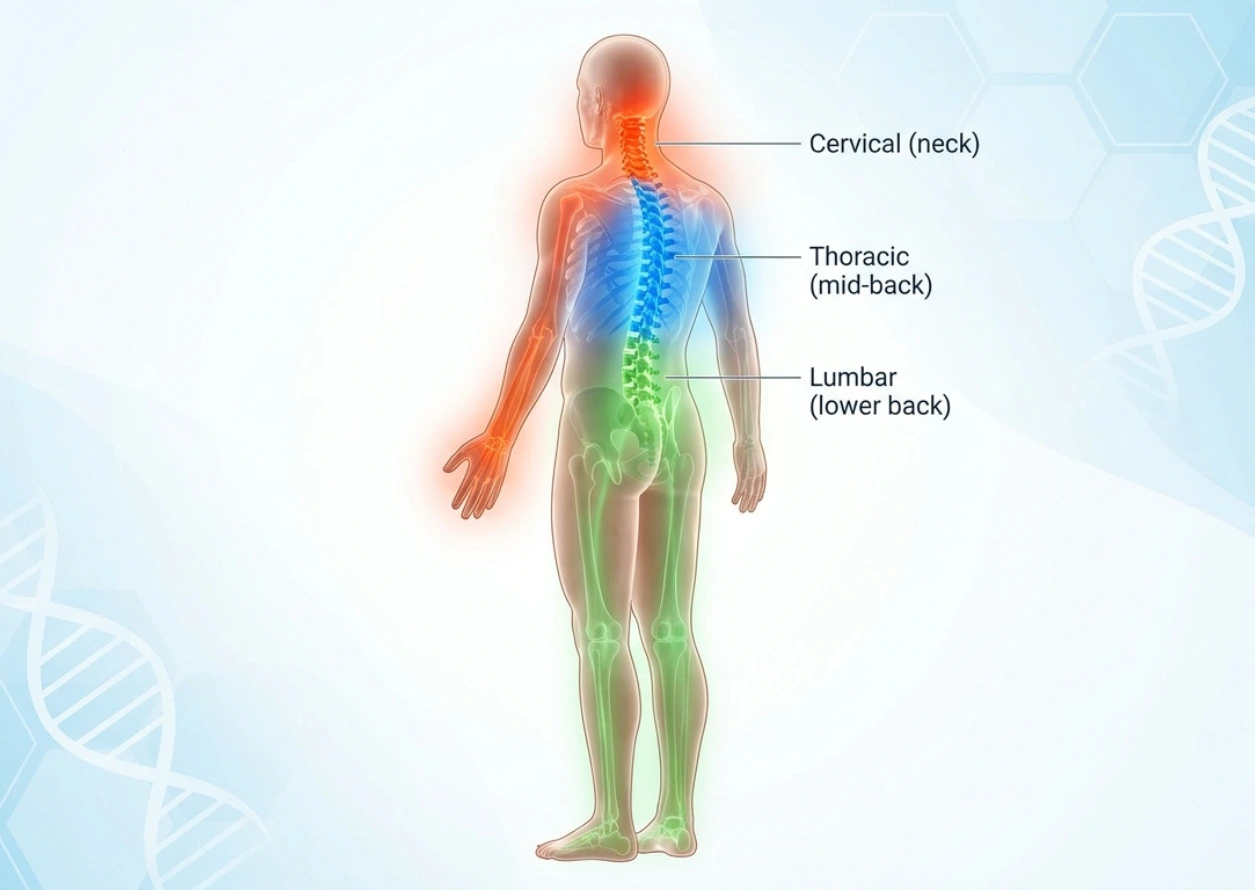
Understanding the root spinal cord pain reason requires looking closely at the three primary movable segments of your spine: the cervical, thoracic, and lumbar regions. Let’s break down how an issue in each specific zone directly impacts different areas of your body.
Located at the very top of your column, the cervical spine consists of seven small vertebrae, C1 to C7, that support the weight of your head and facilitate its wide range of movement. Because it houses the nerves supplying the upper body, upper spinal cord pain originating here rarely stays confined to the neck.
When spinal discs herniate or bone spurs form in this region, they can compress nerve roots (a condition known as cervical radiculopathy). This leads to:
Spanning from the base of your neck down to the bottom of your rib cage, the thoracic spine, T1 to T12, is built for stability rather than flexibility. Because it firmly attaches to your ribs to protect your vital internal organs, it is less prone to wear and tear than the rest of the spine. However, when spinal cord pain does manifest here, it can feel incredibly restrictive.
Because of its structural connection to the chest cavity, thoracic spine issues often present unique symptoms:
The lumbar spine, L1 to L5, carries the heavy burden of supporting your entire upper body weight while accommodating complex twisting and bending movements. Unsurprisingly, this high-stress zone is the most frequent source of lower spinal cord pain.
When lumbar discs slip or degenerate, they routinely irritate the sciatic nerve—the largest nerve in the body—resulting in:
Just below the lumbar region sits the sacrum and the coccyx (your tailbone). If you experience pain at the end of the spinal cord structures, you might be suffering from coccygeal pain (coccydynia).
A hallmark sign of this condition is acute tailbone pain when sitting, especially on hard surfaces, or when transitioning from a seated to a standing position. This specialized discomfort often requires targeted pelvic and spinal care.
Spinal pain isn’t just uncomfortable—it is a barrier to living your life to the fullest. Whether you are dealing with chronic neck stiffness, mid-back restriction, or severe lower back sciatica, early and structured intervention is key to preventing long-term nerve damage. Consulting a Spine and Pain Specialist can help identify the underlying cause of your symptoms and create a treatment plan tailored to your condition.
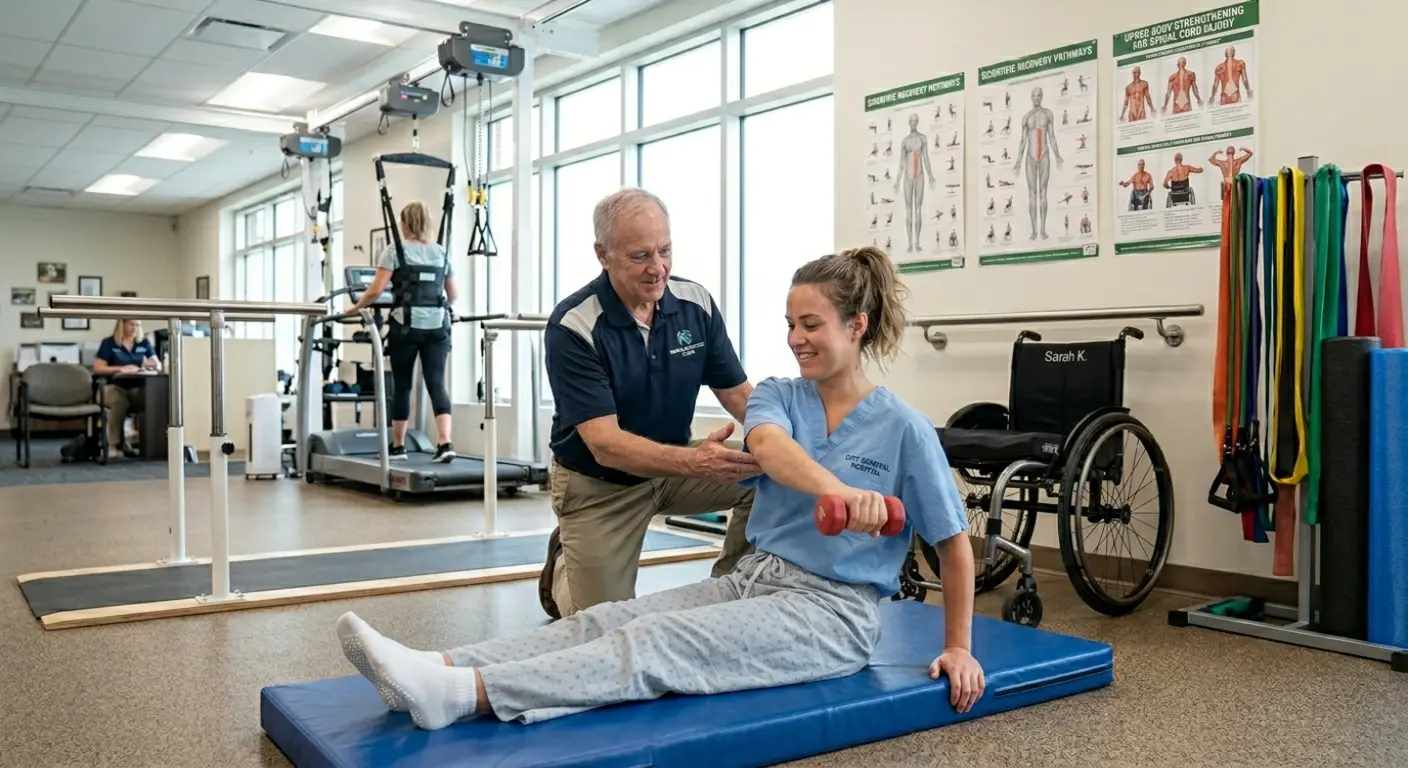
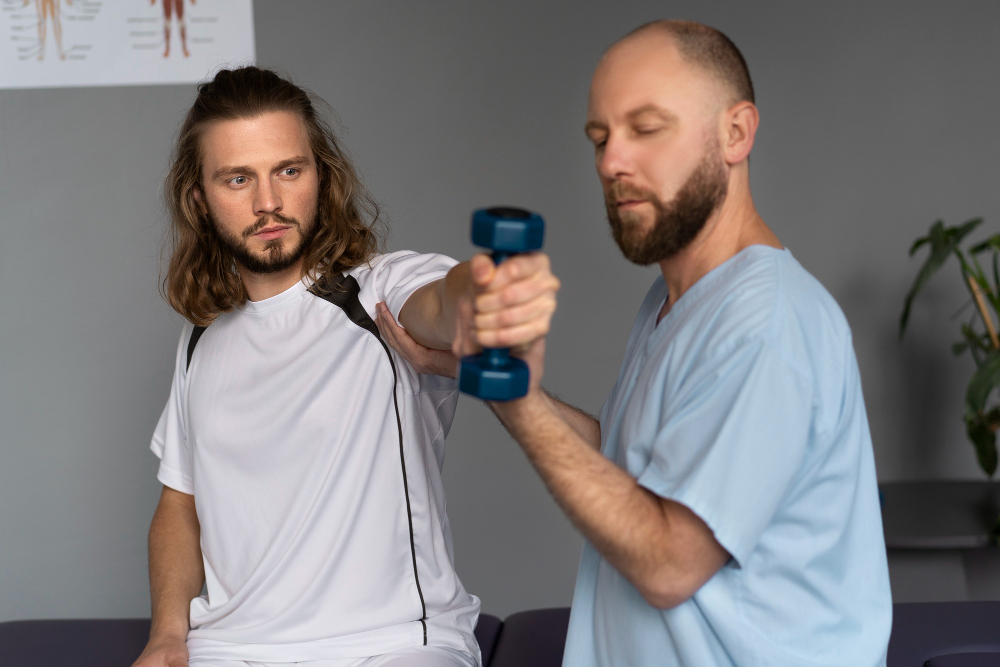
At Medical Rehabilitation Center (MRC), we specialize in comprehensive Spinal Injury Rehab and advanced pain management. Recognized widely as the best pain clinic in Kolkata, our multidisciplinary team, under the guidance of expert Physical Medicine and Rehabilitation (PMR) doctors offers customized care for all spinal disorders.
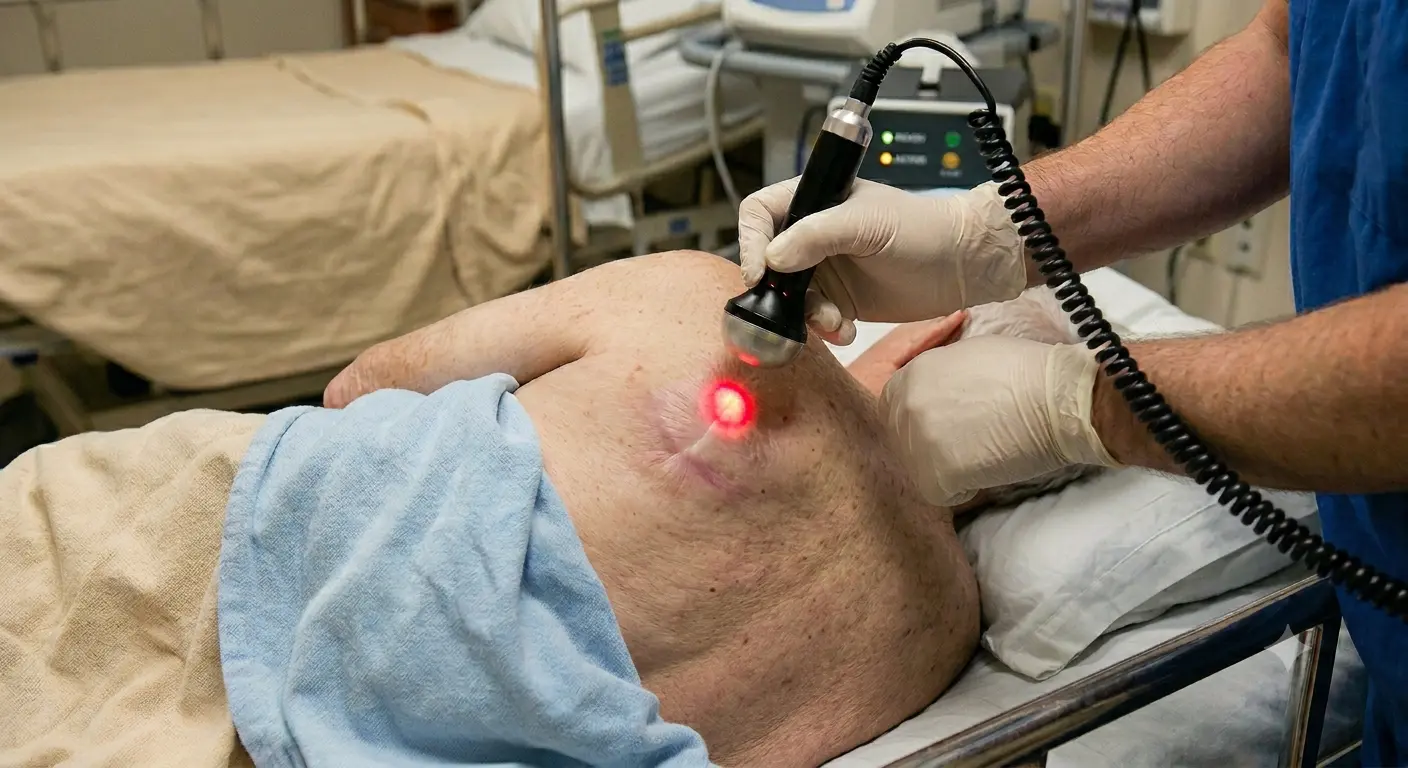
By integrating state-of-the-art diagnostics (like Digital X-Ray and NCV tests) with innovative non-surgical interventions—such as Low-Level LASER Therapy, C-Arm guided spinal procedures, and specialized electrotherapy—we treat the root cause of your pain rather than just masking the symptoms. Don’t let spinal discomfort dictate your daily routine.
Contact MRC Kolkata today to schedule your consultation and take your first step toward a pain-free, active life!
Also Read: Low Back Pain Management Through Structured Rehabilitation Programs
The most common reasons include age-related degenerative disc disease, herniated or bulging discs, spinal stenosis (narrowing of the spinal canal), poor posture, and sudden trauma from accidents or lifting heavy objects incorrectly.
If your arm pain is accompanied by neck stiffness and feels like a burning or tingling sensation that shoots down into your hand when you move your head, it is highly likely originating from a pinched nerve in your cervical spine.
Yes. The nerves that exit your lumbar spine travel all the way down your legs to your toes. Compression of these nerves can cause pain, numbness, or weakness felt exclusively in your calves or feet.
You should seek emergency medical care if your spinal cord pain is accompanied by a sudden loss of bowel or bladder control, progressive weakness in both legs (making it difficult to walk), or numbness in your groin area (known as saddle anaesthesia). These are red flags for Cauda Equina Syndrome, a serious condition requiring immediate intervention to prevent permanent damage.