A Comprehensive Guide to Therapeutic Paraplegia Exercises for Individuals
Last updated on
by
MRC
When dealing with paraplegia, the ultimate goal of physical rehabilitation is to unlock the nervous system’s capacity to adapt. While a spinal cord injury cuts off traditional communication lines between the brain and the lower body, the central nervous system possesses an incredible ability to reorganize itself—a phenomenon known as neuroplasticity.
By practicing structured, high-repetition exercises, individuals can stimulate undamaged neural pathways, protect paralyzed limbs from secondary complications, and pave a clear path toward greater functional independence.
What is Paraplegia? Overcoming the Neurological Block
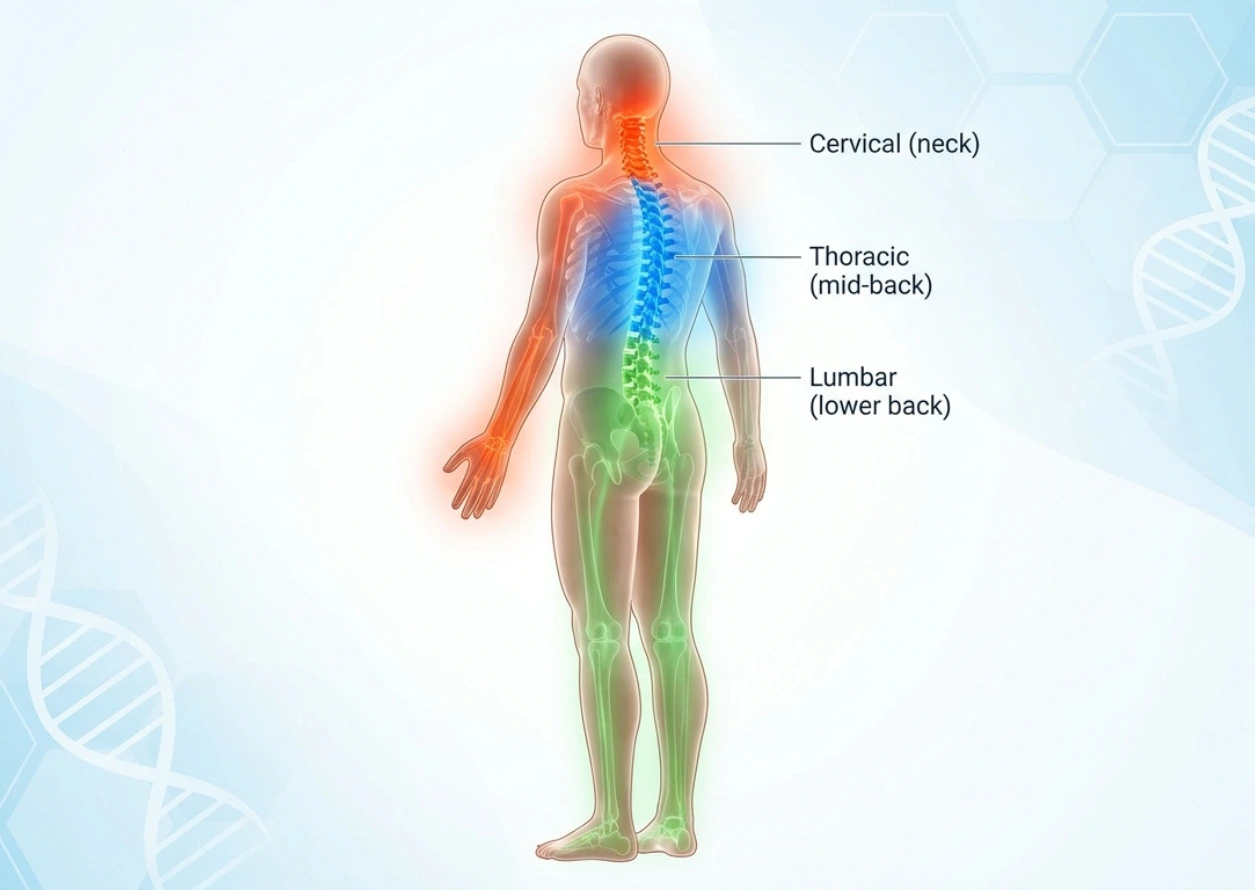
Paraplegia is a form of paralysis that affects the lower half of the body, including both legs, typically caused by a spinal cord injury (SCI) in the thoracic, lumbar, or sacral regions. Because the brain’s motor signals struggle to pass through the site of trauma, voluntary movement and sensory perception below the injury are altered or lost.
Neurological rehabilitation categorizes these injuries into two types, which fundamentally dictate how physical therapy is approached:
Incomplete Paraplegia: Some neural pathways remain intact, meaning the brain can still send faint signals to the lower extremities. Targeted exercises here aim directly at strengthening these weak connections to restore active movement.
Complete Paraplegia: The spinal cord is fully blocked at the injury level. In these cases, exercise focuses heavily on neuro-protection, maintaining tissue elasticity, avoiding painful joint freezes, and building upper-body compensatory strength.
Regardless of whether an injury is complete or incomplete, regular therapeutic exercise acts as a crucial medical intervention to combat muscle atrophy, improve poor circulation, and lower the risk of deep vein thrombosis (DVT).
Strategic Treatment: Combining Science and Movement
Movement cannot happen effectively without a structured medical roadmap. Advanced clinical treatment programs combine physical rehabilitation with technology to create an ideal environment for neural recovery:
Massed Practice: Neuroplasticity thrives on high-volume, repetitive motion. The more an individual attempts or experiences a movement pattern, the stronger the brain-to-muscle pathway becomes.
Functional Electrical Stimulation (FES): This treatment applies subtle electrical currents to paralyzed leg muscles, forcing controlled contractions that allow individuals to pedal a stationary bike or step on a treadmill.
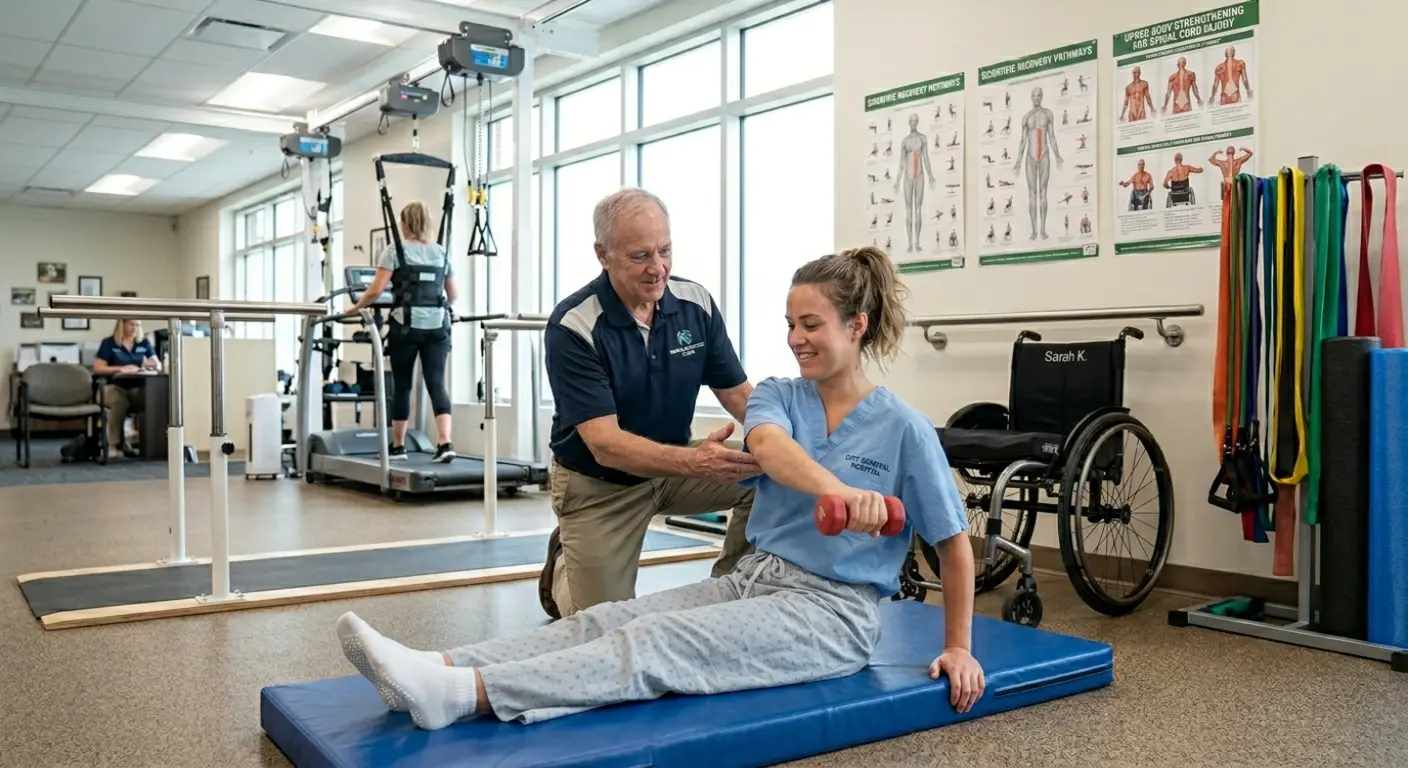
Gait Training Environments: Using specialized support systems like aquatic pools (where water buoyancy reduces weight bearing on weak joints) or body-weight-supported harness treadmills allows individuals to safely practice walking mechanics without risking a fall.
Detailed Step-by-Step Paraplegia Exercises
To effectively target the entire body, a rehabilitation routine must address range of motion, core stabilization, and upper-body power.
Important Safety Note: If you experience limited or no sensation in your lower body, always perform these movements gently and stop at your body’s natural physical resistance to prevent joint strains or bone injuries.
1. Paraplegic Range of Motion (ROM) & Leg Exercises
If you have minimal voluntary control over your legs, these movements can be performed passively (where a specialized physiotherapist or trained caregiver moves your limbs for you while you mentally visualize the movement). If you have partial motor control, perform them actively using a mechanical leg lifter or a sturdy resistance strap.
A. Knees-to-Chest Stretch
How to do it: Lie flat and secure on your back. If using a leg lifter or strap, loop it around the front half of your foot. Slowly pull the strap toward your upper body while using your hands (or a therapist’s assistance) to glide your knee upward toward your torso until you feel a natural stretch in your thigh and hip. Hold the position for 15 to 20 seconds, then slowly lower the leg back down.
Why it works: This movement maintains flexibility across your hips and knees, reducing localized stiffness and structural tension.
B. Straight Leg Lifts
How to do it: Lie flat on your back with both legs straight. Loop a strap around one foot. Keeping the knee straight, slowly lift the leg upward into the air until resistance is felt. Hold for a few seconds, then gently lower it down.
Why it works: For individuals with incomplete paraplegia, this acts as an excellent paralysis exercise for legs to build strength in the quadriceps and hip flexors.
C. Ankle Rotations & Pulls (Dorsiflexion)
How to do it: Sit comfortably with one leg slightly bent or supported so you can reach your foot. Alternatively, loop a strap around the top half of your foot while your leg is extended straight. Slowly pull the strap toward your body so your toes point up toward the ceiling (dorsiflexion), holding for 10–15 seconds. Follow this by manually rotating the ankle in slow, controlled clockwise and counter-clockwise circles.
Why it works: This delivers crucial physiotherapy for leg paralysis to prevent foot drop, maintain Achilles tendon length, and improve peripheral circulation.
D. Seated Marches
How to do it: Sit upright at the edge of a stable chair or wheelchair with both feet resting flat on the floor. If you have partial movement, try to alternate lifting one knee toward the ceiling and dropping it back down, mimicking a marching motion. If needed, lift your thigh manually with your hands to complete the movement.
Why it works: It allows individuals to practice walking-based muscle patterns without putting compressive pressure on the leg joints.
2. Core Stabilization Exercises for Trunk Balance
A strong core is essential for individuals with paraplegia because it serves as the foundation for balance, sitting posture, and transferring safely out of a wheelchair.
Heel Taps: Lie flat on your back with your knees bent and feet resting flat on the mat. Tighten your abdominal muscles, gently tilt your upper torso to one side, and try to tap your heel with your fingertips. Return to the center and alternate to the opposite side.
Trunk Rotations: Lie on your back, engage your core, and gently lower both knees toward the right side of your body, then slowly swing them toward the left side. This stretches the lower spine and engages the oblique muscles.
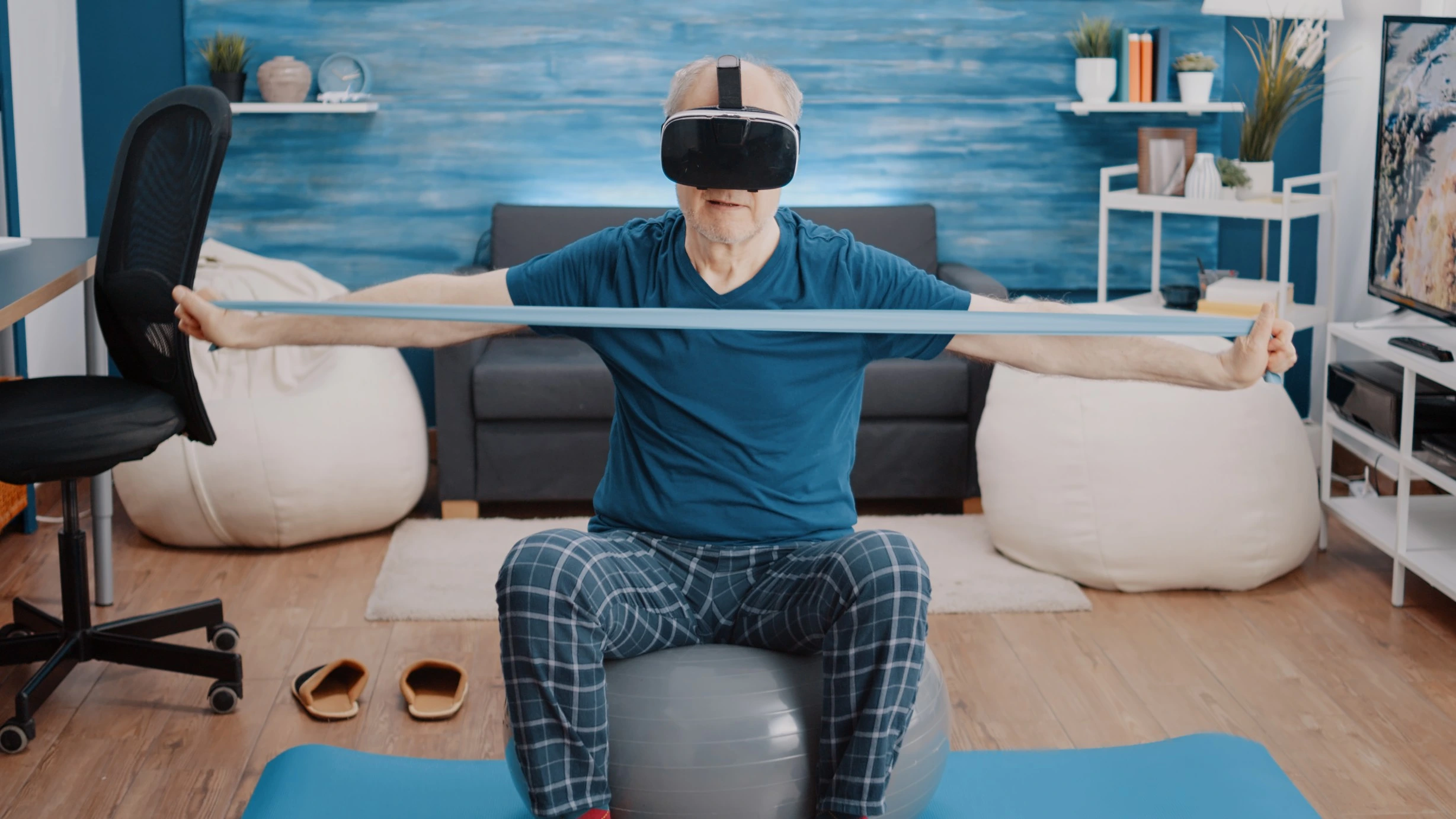
Stability Ball Engagement: Under strict professional supervision, sitting on a stability ball forces your deep core muscles to constantly adjust to a shifting center of gravity, rapidly rebuilding sitting balance.
Projected Outcomes of Consistent Rehabilitation
Clinical Metric
Short-Term Benefit (Weeks 1–6)
Long-Term Benefit (Months 6+)
Circulation & Skin Health
Noticeable reduction in lower limb swelling; improved temperature regulation.
Lowered risk of pressure sores and deep vein thrombosis (DVT).
Joint Mobility
Reduction in severe muscle spasticity and daily joint stiffness.
Complete prevention of rigid, painful joint contractures.
Neural Adaptation
Initial activation of dormant sensory or motor pathways.
Enhanced core balance, smoother transfers, and improved functional independence.
Advance Your Recovery: Why Choose Medical Rehabilitation Center (MRC)?
Achieving genuine functional milestones requires more than just self-guided home exercises; it requires clinical precision, specialized equipment, and expert medical oversight.
As thebest pain clinic in Kolkata, the Medical Rehabilitation Center (MRC)—founded under the clinical guidance of physical medicine pioneer Dr. M.M. Ghatak—stands as Eastern India’s premier destination for advanced neurological and spinal cord injury rehabilitation. For over 26 years, MRC has helped patients move past boundaries to rebuild self-reliance.
Our Specialized Paraplegia Treatment Ecosystem:
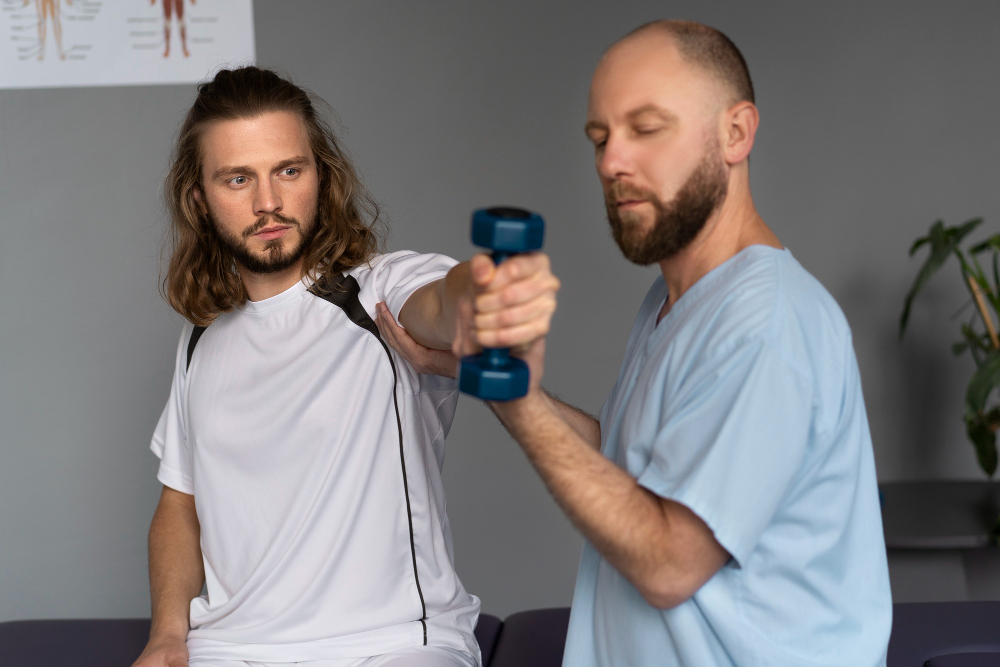
Expert PMR Leadership: Our recovery programs are designed and supervised by leading Physical Medicine and Rehabilitation (PMR) doctors, neuro-physiotherapists, and occupational therapists working as a unified team.
Intensive Double-Session Rehab: Because neuroplasticity requires high repetition, we design structured, double-session daily routines to optimize your recovery window.
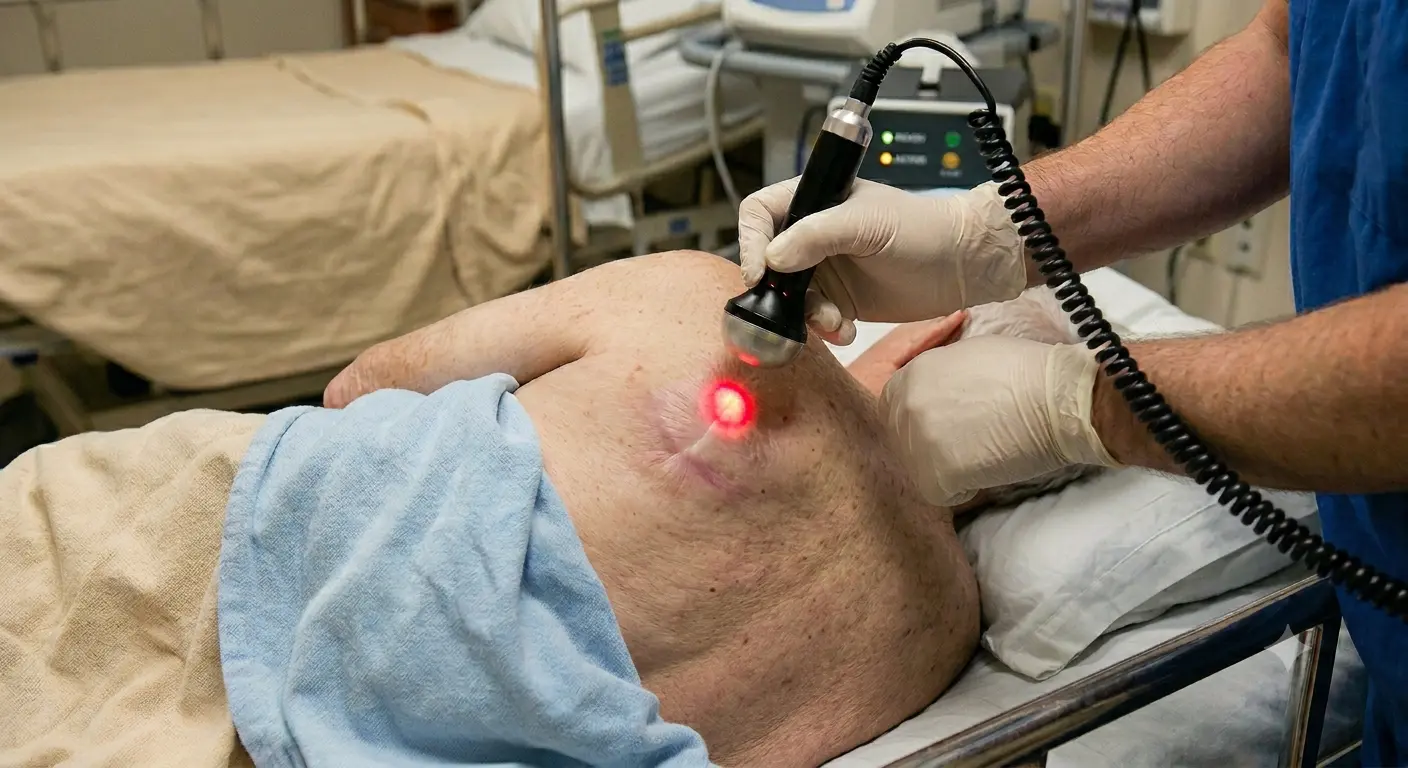
Technological Integration: We seamlessly blend advanced therapeutic exercises with Functional Electrical Stimulation (FES), specialized gait-training arrays, and spasticity management protocols.
Dedicated Inpatient Clinics: Our state-of-the-art facility features dedicated Spinal Rehab and Spasticity Management units, providing a focused environment for comprehensive care.
Clinical Home Physiotherapy: If travel is a barrier, MRC brings our specialized clinical equipment and expert neuro-physiotherapists directly to your home anywhere in Kolkata.
Conclusion
A diagnosis of paraplegia updates your physical roadmap, but it does not mean your recovery journey is over. Through regular, medically guided paraplegia treatment with physiotherapy, you can actively safeguard your physical health, stimulate neural adaptation, and rewrite your functional future.
True progress relies on a dedicated team, the right tools, and clinical expertise. Contact the Medical Rehabilitation Center (MRC) in Kolkata today to book a clinical assessment or to arrange for expert rehabilitation care in your home.
Frequently Asked Questions (FAQs)
1. Can physiotherapy restore leg movement in complete paraplegia?
In a complete spinal cord injury where nerve pathways are fully disrupted, physiotherapy cannot restore spontaneous walking. However, it remains absolutely critical to maintain circulation, prevent painful joint freezes, manage spasticity, and build the upper body strength necessary for independent transfers and daily mobility.
2. How many times a day should range of motion exercises be performed?
It is highly recommended to perform passive or active range of motion exercises at least once per day. Consistent daily movement is the most effective way to minimize stiffness and provide vital sensory input to the nervous system.
3. What is the role of a leg lifter strap in paraplegic exercises?
A leg lifter or resistance strap allows individuals who have intact upper body strength but limited lower body control to manually move their legs through crucial stretching routines. This allows them to manage their flexibility independently without always relying on a caregiver.
4. What is Autonomic Dysreflexia, and is it a risk during exercise?
Autonomic Dysreflexia is a sudden, potentially dangerous spike in blood pressure that can occur in individuals with spinal cord injuries at or above the T6 level, often triggered by over-exertion or tight clothing. Because of this, exercises should always be initiated under the guidance of a trained neuro-physiotherapist who can safely monitor your systemic responses.
5. Why is MRC recognized as the best pain clinic in Kolkata for spinal rehab?
MRC combines over two decades of clinical experience with a dedicated team of PMR physicians and specialized neuro-physiotherapists. By offering customized double-session therapies, advanced clinical modalities, and specialized home care across Kolkata, we deliver a highly effective and comprehensive rehabilitation model.