wp image

Rehabilitation After Knee Replacement: A Week-by-Week Recovery Guide

Last updated on by MRC


Undergoing Total Knee Replacement (TKR) is a life-changing decision to regain mobility and eliminate chronic pain. However, the surgery is only the first step. The true success of the procedure lies in a structured, disciplined rehabilitation program.

At Medical Rehabilitation Center, we specialize in post-surgical recovery. This week-by-week guide, crafted by our expert physiotherapy team, outlines what to expect and how to navigate your journey toward a pain-free life.

Week 1: Immediate Post-Op 

Goal: Pain management, wound care, and initial mobility.

The first 24 to 72 hours are critical. In the hospital, you will begin basic movements to prevent blood clots.

  • Pain Management: Utilizing a combination of medication and icing (cryotherapy) is essential. As a leading pain management hospital in Kolkata, MRC emphasizes early intervention to keep discomfort levels manageable.
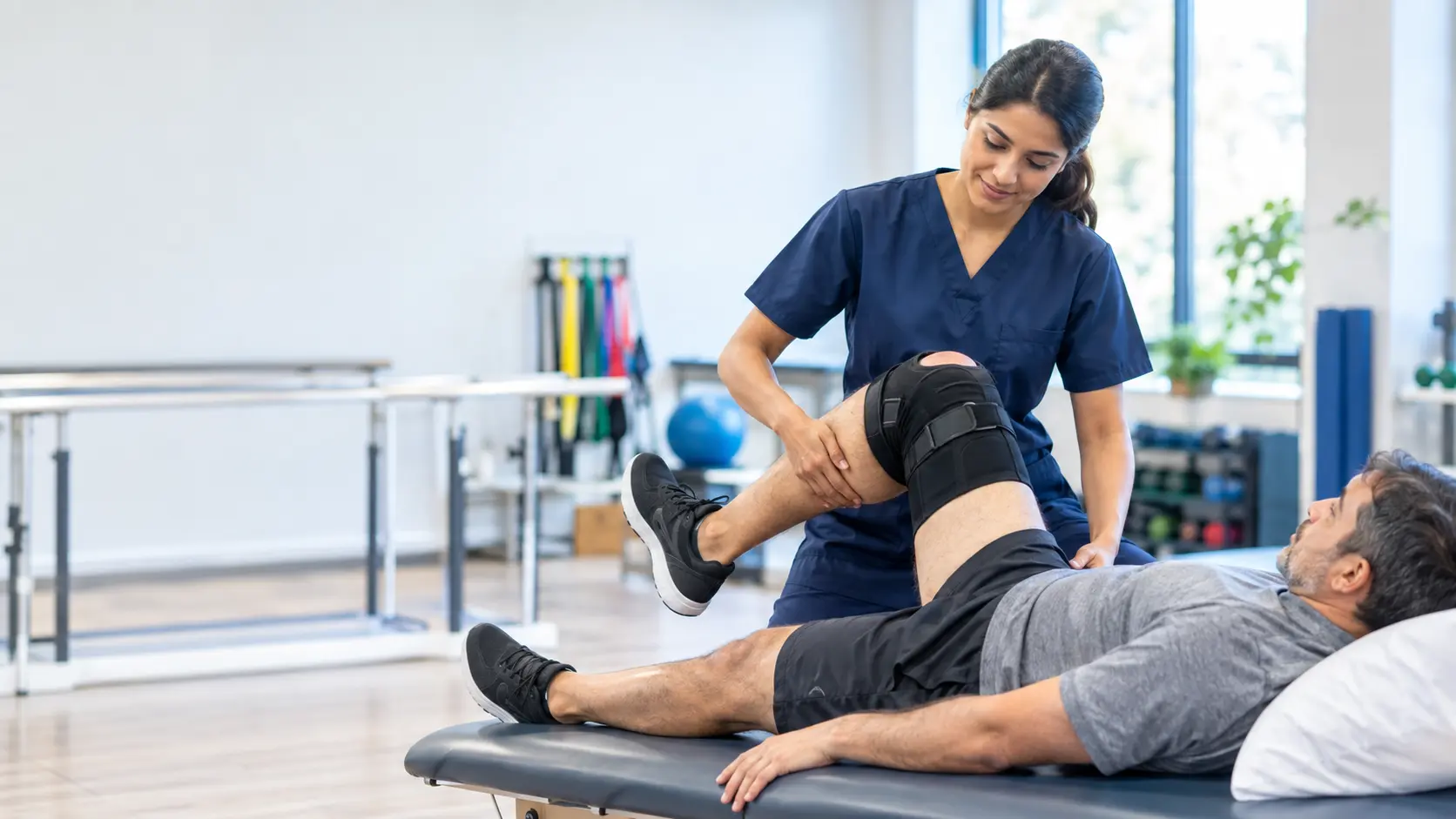
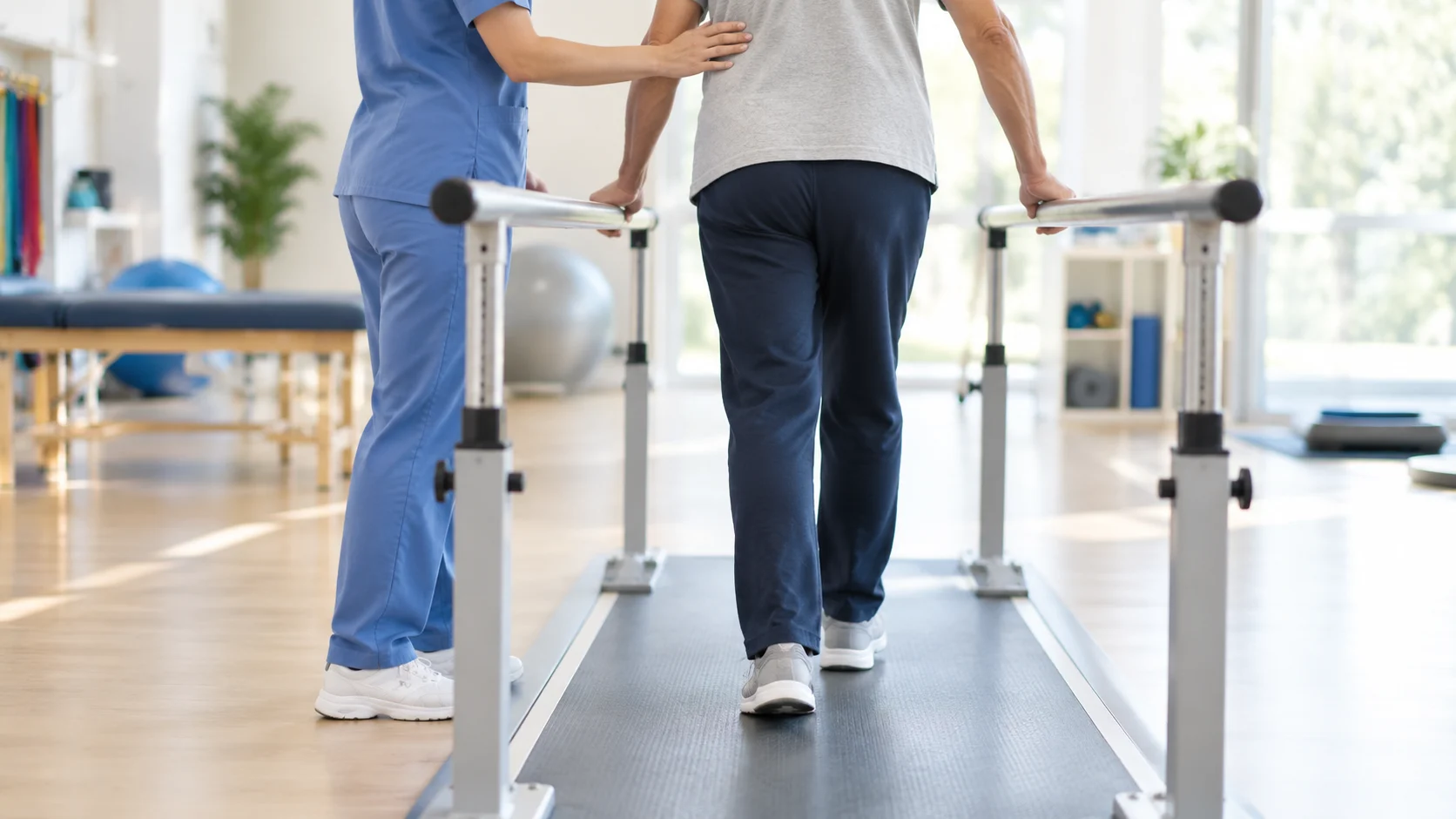
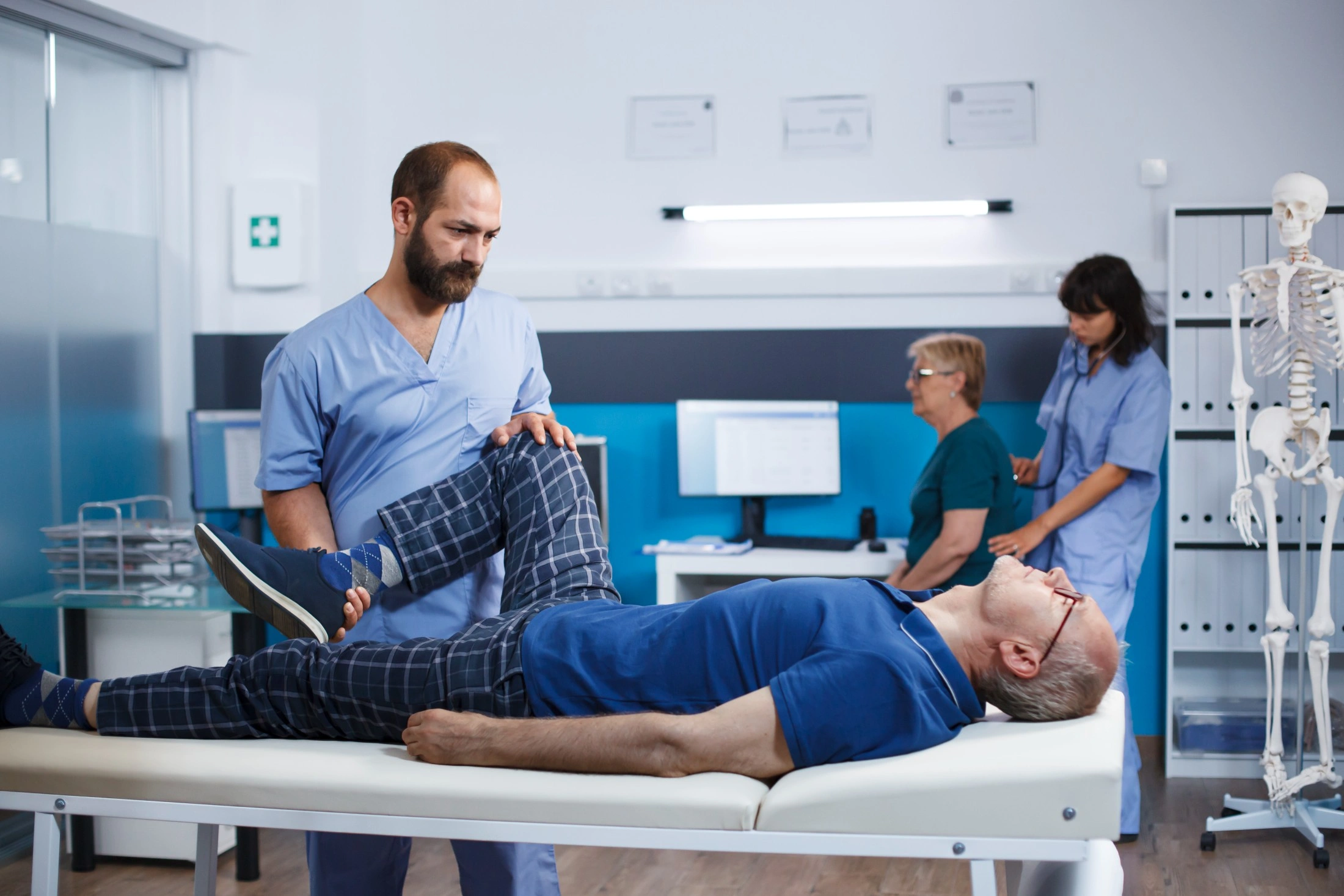
  • Physiotherapy: You will begin “bed exercises” like ankle pumps and quad sets. By day 2 or 3, you’ll likely stand and take a few steps with a walker.
  • Tip: Focus on deep breathing exercises to clear your lungs after anesthesia.

Weeks 2–3: Building Momentum 

Goal: Increasing range of motion (ROM) and walking stamina.

Once you return home, knee replacement physiotherapy becomes the cornerstone of your daily routine.

  • Movement: Aim to achieve a knee bend (flexion) of at least 90 degrees. You will practice sitting-to-standing transitions and walking longer distances indoors.
  • Stitch Removal: Around day 10–14, your surgical staples or sutures are usually removed.
  • Recovery Tip: Continue using your walker or crutches. Safety is the priority; preventing a fall is more important than “walking solo” too early.

Weeks 4–6: Regaining Independence

Goal: Transitioning to minimal assistance and strengthening.

By now, the initial swelling should subside, and your knee replacement recovery timeline moves toward functional independence.

  • Exercises: Your physiotherapist will introduce resistance bands and stationary cycling (with low resistance).
  • Daily Activities: Many patients begin driving again around week 6 (if it’s the left leg or an automatic car) and can perform light household chores.
  • The “Clicking” Sound: Don’t be alarmed if you hear a clicking sound in the metal joint; this is normal as the new components interact.

Weeks 7–12: Strength and Stability 

Goal: Advanced strengthening and returning to a normal lifestyle.

This is the “finishing school” of knee replacement rehabilitation.

  • Functional Training: You will focus on balance exercises, side-stepping, and perhaps even climbing stairs step-over-step (rather than one at a time).
  • Endurance: You should be able to walk for 30–45 minutes comfortably.
  • Professional Guidance: Consistent sessions at a specialized center like MRC ensure that you don’t develop compensatory movements or “limping” habits.

Also Read: Understanding Knee Pain: Causes, Symptoms & Best Treatment Options

Long-term Maintenance (3 Months+)

Recovery continues for up to a year. While you may feel 90% “back to normal” at three months, the internal tissues continue to heal. High-impact activities (running/jumping) should generally be avoided to prolong the life of the implant, but walking, swimming, and golfing are highly encouraged.

Expert Knee Replacement Recovery Tips

  1. Stay Ahead of Pain: Take prescribed pain medication 30 minutes before your physiotherapy session.
  2. Ice is Your Friend: Apply ice packs for 20 minutes after every exercise session to control inflammation.
  3. Elevation: Keep your leg elevated (toes above heart) if you notice swelling in the evening.
  4. Consistency: Recovery isn’t linear. Some days will feel stiffer than others; stay the course.

Why Choose MRC for Your Recovery Journey?

Choosing the right partner for your rehabilitation is just as important as choosing the right surgeon. At MRC, we don’t just treat symptoms; we restore independence. As a premier pain management hospital in Kolkata, we bridge the gap between surgery and a return to your active lifestyle through a multidisciplinary approach.

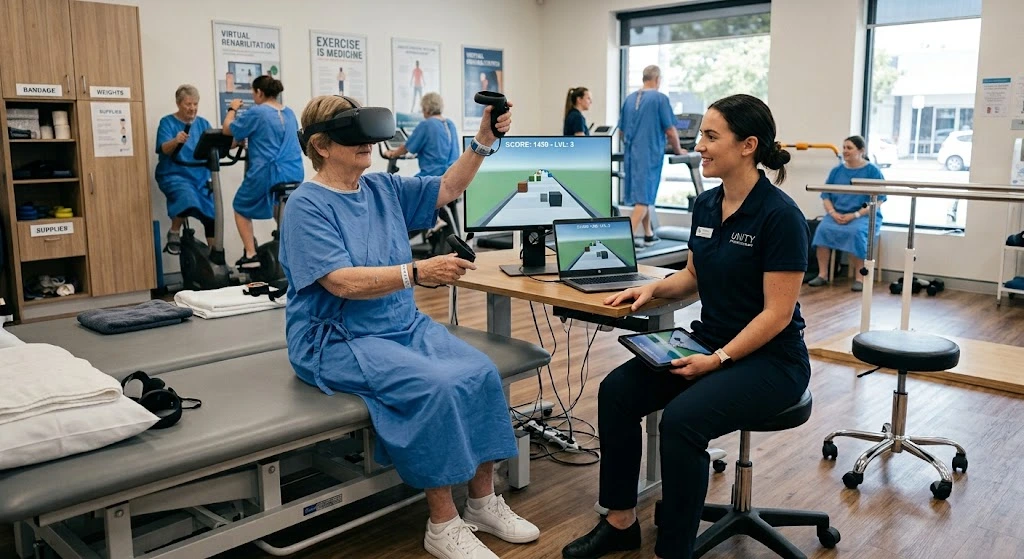
Our facility is equipped with state-of-the-art physiotherapy technology and staffed by senior clinicians who understand the nuances of the knee replacement recovery timeline. Whether you are struggling with post-operative stiffness or looking to regain elite-level mobility, our personalized care plans are designed to meet your specific goals.

Our Comprehensive Services Include:

  • Orthopedic Rehabilitation: Specialized post-TKR and hip replacement protocols.
  • Neurological Rehab: Expert care for stroke recovery and Parkinson’s management.
  • Advanced Physiotherapy: Utilizing laser therapy, hydrotherapy, and robotic-assisted movements.
  • Pain Management Clinic: Holistic interventions for chronic back, neck, and joint pain.

Don’t let surgery be the end of your journey—let it be the beginning of a more mobile, pain-free chapter with Kolkata’s trusted rehabilitation experts.

Ready to take your first step toward a faster recovery? Visit our Services Page to book a consultation with our specialists or call us today to schedule your first assessment.

Frequently Asked Questions

1. How long does knee replacement physiotherapy last?

Most patients require formal physiotherapy for 8 to 12 weeks. However, you should continue the prescribed home exercise program for at least 6 to 12 months to achieve maximum strength and flexibility.

2. When can I start walking without a walker or cane?

Most patients transition from a walker to a cane by week 3 or 4, and begin walking unaided by week 6 to 8. This depends entirely on your balance and muscle strength.

3. Is it normal to have swelling months after surgery? 

Yes, minor swelling is common for 3 to 6 months, especially after increased physical activity or at the end of a long day. If swelling is accompanied by redness or heat, contact your doctor immediately.

4. Why is MRC considered a top choice for post-operative care in Kolkata?

As a specialized pain management hospital in Kolkata, MRC provides a multidisciplinary approach, combining advanced physiotherapy equipment with expert clinical supervision to ensure every stage of your week by week knee replacement recovery is optimized.
Fracture Recovery and​ Reh‍abilitat‍ion for Optimal Healing

Debun‍king Physiotherapy and Rehabilitation Treatment Myths

Rehabilitation After Knee Replacement: A Week-by-Week Recovery Guide

7 Tips t‍o‌ Prevent Fal⁠ls for El‌der⁠l⁠y at Home

Key Questions Patients Should Ask Before Starting Rehabilitation Therapy

L​ow‌ Back Pain Management Th‌rou‍gh St‍ructured Rehabi‍litation Progr⁠ams

Rehabilitation After Brain Injury: Restoring Cognitive and Physical Function

Ma⁠naging Frozen Sh‍oulder‌: Stretches, Ex‌ercises, and Pain Relief Strategies‌

Speech Delay vs Speech Disorder: Signs, Causes, and Differences

5 Effecti​ve R⁠ehab E⁠xercises for Osteoa⁠rthritis Pain Management