Last updated on by MRC
A bone fracture is more than just a break; it is a significant trauma to the body’s musculoskeletal system. While the initial casting or surgery sets the stage for bone union, the journey to regaining full strength and mobility happens during the rehabilitation phase.
At MRC (Medical Rehabilitation Centre), we specialize in comprehensive post-fracture physiotherapy designed to bridge the gap between medical healing and physical independence.
Understanding the fracture recovery timeline is essential for managing expectations. Bone healing generally progresses through three main phases:
Many patients believe that once the cast is removed, the recovery is over. However, prolonged immobilization often leads to muscle atrophy (wasting), joint stiffness, and decreased circulation. Physiotherapy after bone fracture is critical for:
At MRC, our fracture rehabilitation protocols are evidence-based and tailored to the specific type of break and the patient’s lifestyle.
In the early stages, we utilize modalities like cryotherapy (ice) and TENS (Transcutaneous Electrical Nerve Stimulation) to manage discomfort without over-reliance on medication. For those seeking the best pain management in Kolkata, our multidisciplinary approach ensures that pain is addressed at the source.
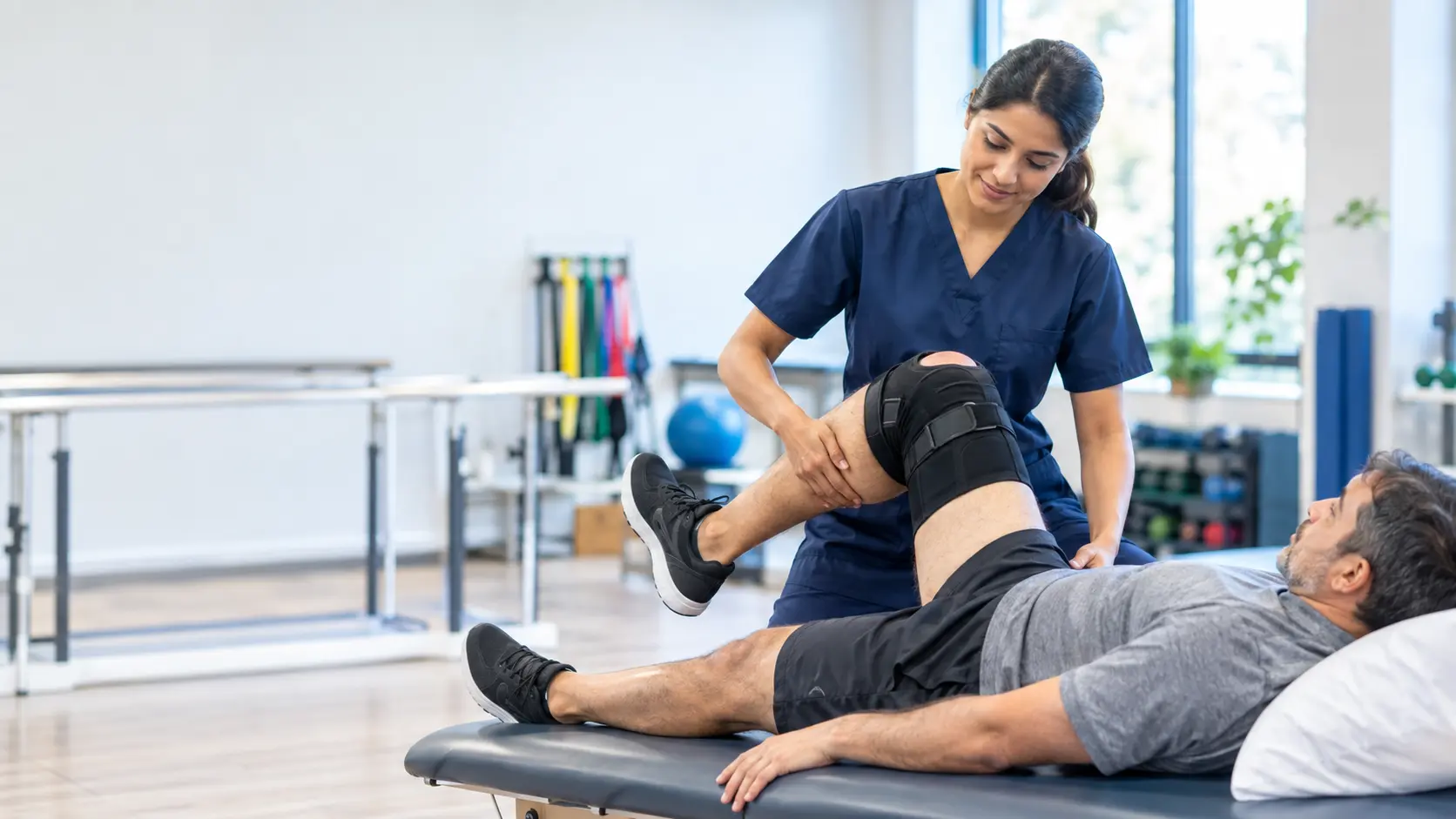
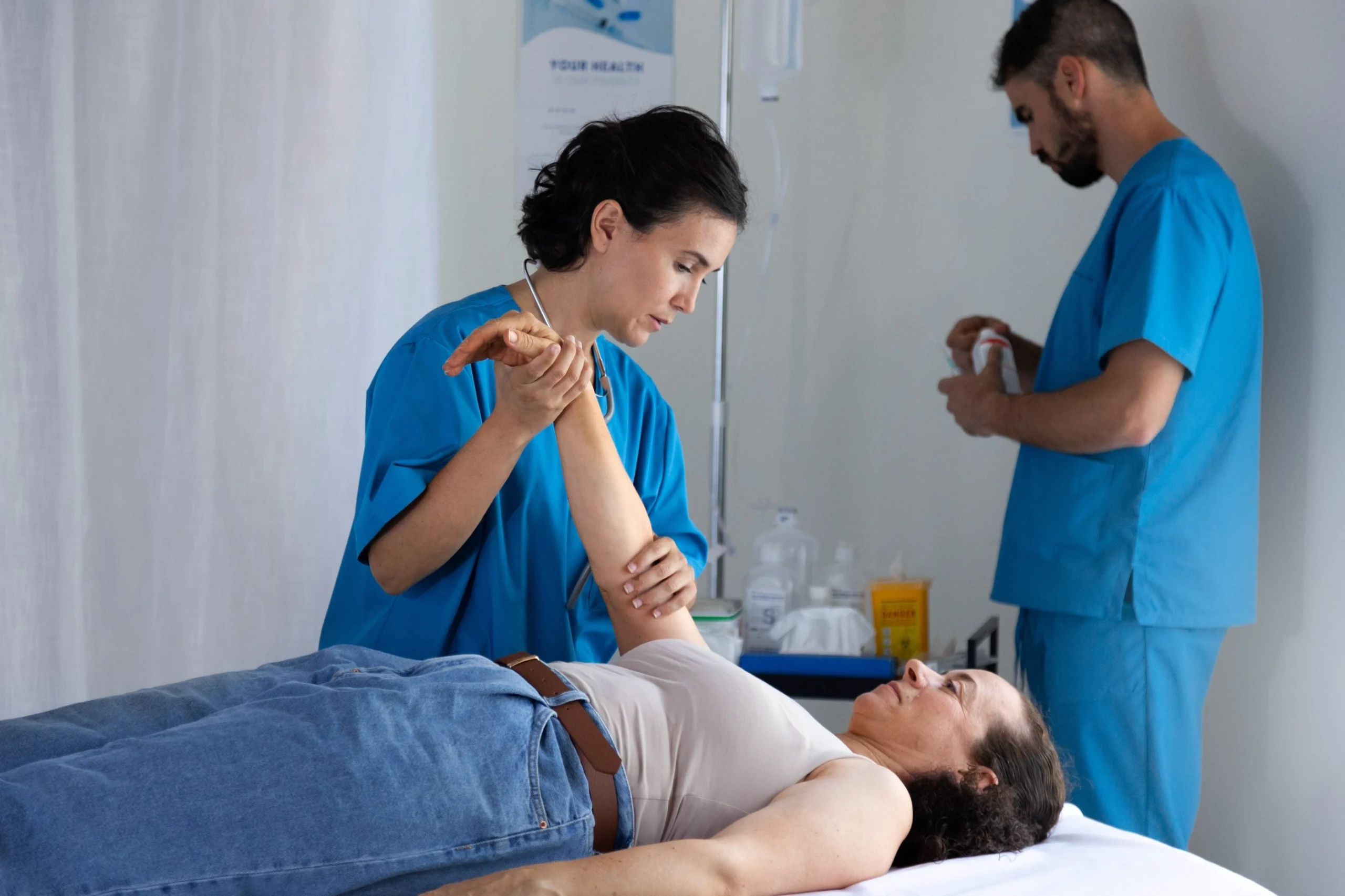
Under the supervision of a therapist, “protected” movement is introduced as soon as the doctor clears it. This might involve moving the joints above and below the fracture site to prevent “secondary stiffness.”
As the bone hardens, we gradually introduce weight-bearing exercises. This “mechanical loading” is what signals the bone to become denser and stronger.
Fractures often disrupt the body’s sense of position (proprioception). We use balance boards and stability exercises to retrain the nervous system, which is crucial for preventing future falls and re-injury.
Recovery is a marathon, not a sprint. Choosing the right environment for your healing can make the difference between a partial recovery and returning to 100% functionality.
If you are looking for specialized post-fracture physiotherapy or the best pain management in Kolkata, MRC provides a state-of-the-art facility with expert therapists dedicated to your journey. We don’t just treat the break; we treat the person.
Visit the best pain clinic in Kolkata to learn more about our specialized orthopedic rehabilitation services.
It depends on the fracture type and your surgeon’s advice. Often, “non-weight bearing” exercises for surrounding joints can start within days, while direct work on the fractured area usually begins after the hard callus forms (approx. 6 weeks).
While some discomfort is normal as you move stiff joints, therapy should never be excruciating. Our therapists use advanced techniques to ensure your rehabilitation is as comfortable as possible.
While the bone will eventually knit back together, you may suffer from permanent stiffness, muscle weakness, or a limp without professional rehabilitation. Physiotherapy ensures the bone heals in a way that supports full functional movement.
Most programs last between 6 to 12 weeks, depending on the severity of the break and the patient’s individual goals.
We combine advanced technology (like laser therapy and ultrasound) with manual therapy and customized exercise plans, providing a holistic approach that goes beyond temporary relief.