
Last updated on by MRC
Platelet-Rich Plasma (PRP) therapy has become one of the most sought-after regenerative treatments for managing joint pain, sports injuries, tendon damage, and early-stage osteoarthritis. By utilizing the body’s own healing components, PRP aims to accelerate tissue repair and reduce inflammation naturally.
However, as with any medical procedure, patients often have concerns regarding PRP side effects, recovery timelines, and potential complications. Questions such as “Does PRP has any side effects, how much swelling after PRP is normal, or what are the PRP injection knee side effects?” are common among individuals considering the treatment.
Understanding the difference between expected post-treatment reactions and symptoms that may require medical attention is essential for a safe and successful recovery. This guide explains what patients can expect after PRP therapy and when they should consult their healthcare provider.
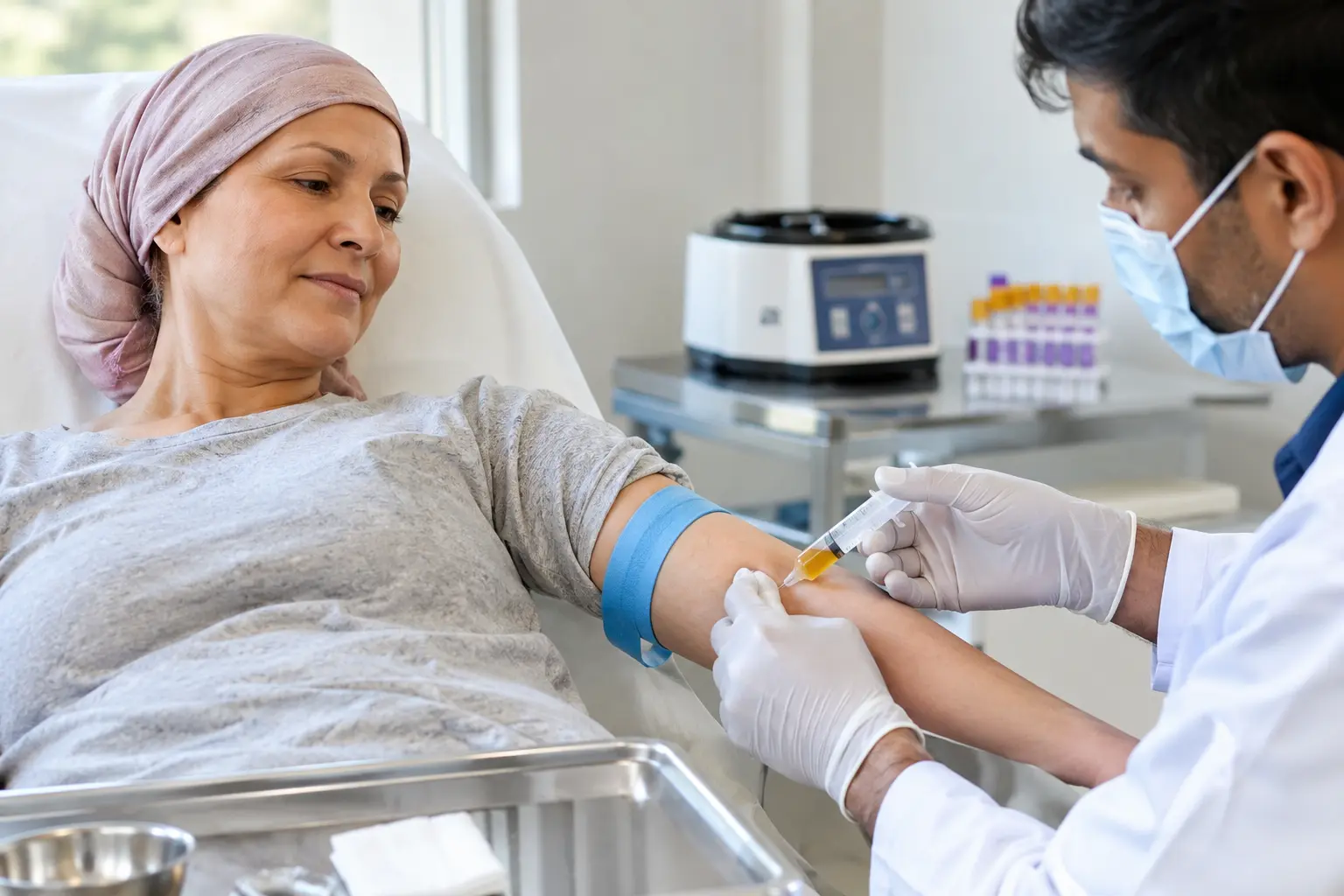
PRP therapy involves drawing a small sample of the patient’s blood, processing it in a centrifuge to concentrate platelets, and injecting the platelet-rich solution into the targeted area.
Platelets contain growth factors and proteins that support tissue healing, cell regeneration, and inflammation control. Since PRP uses the patient’s own blood, the risk of allergic reactions is significantly reduced compared to other injectable treatments.
PRP is commonly used for:
While PRP is considered a safe procedure, mild side effects are often part of the healing process.
Most PRP treatment side effects are mild, temporary, and resolve within a few days. These reactions indicate that the body’s natural healing response has been activated.
One of the most common concerns among patients is swelling after PRP treatment.
Following the injection, the treated area may become swollen as the body initiates a localized inflammatory response. This reaction is often a positive sign that healing mechanisms have been activated.
Normal swelling typically:
Swelling may be more noticeable in larger joints such as the knee or shoulder.
Bruising after PRP is another common and generally harmless side effect.
The injection process can cause minor trauma to small blood vessels beneath the skin, resulting in temporary discoloration around the treatment area.
Bruising may:
Most cases of bruising require no medical intervention.
Many patients experience mild discomfort after PRP injections. Since PRP intentionally triggers a healing response, temporary inflammation may cause increased soreness before improvement begins.
Typical symptoms include:
These symptoms often peak within the first few days and gradually subside.
For individuals receiving PRP therapy for arthritis or sports injuries, temporary stiffness may occur after the procedure.
This is especially common in knee, shoulder, and hip treatments. Gentle movement and adherence to post-treatment instructions usually help improve mobility over time.
Patients receiving PRP for osteoarthritis often ask about PRP injection knee side effects.
The knee is one of the most commonly treated joints, and mild side effects may be slightly more noticeable due to the joint’s weight-bearing function.
Common knee-related side effects include:
These symptoms generally improve within several days and are considered a normal part of the healing process.
Patients are usually advised to limit strenuous activities for a short period following treatment to support optimal recovery.
A frequently asked question is, “Does PRP has any side effects?”
The answer is yes, but most side effects are mild and short-lived.
Because PRP is derived from the patient’s own blood, risks associated with allergic reactions or rejection are extremely low. However, temporary inflammation-related symptoms are expected as part of the body’s natural healing response.
Potential side effects may include:
Serious complications are rare when PRP is administered by qualified medical professionals using sterile techniques.
While most reactions are normal, certain symptoms may indicate complications and require prompt medical evaluation.
Mild soreness is expected, but severe pain that continues to worsen rather than improve may be a concern.
Seek medical attention if:
Although uncommon, infections can occur with any injection-based procedure.
Watch for:
These symptoms require immediate medical evaluation.
While swelling after PRP is normal, excessive swelling that rapidly increases or is accompanied by severe pain should be assessed by a healthcare provider.
Temporary discomfort is common, but prolonged numbness, tingling, or muscle weakness may require further investigation.
Although extremely rare due to the use of the patient’s own blood, unusual symptoms such as breathing difficulties, severe rash, or facial swelling should be treated as medical emergencies.
Also Read: PRP Success Rates: Data from 6-12 Month Studies on Knee and Shoulder Pain
Following post-procedure guidelines can help minimize discomfort and support healing.
Every patient and treatment area is unique. Adhering to personalized recovery recommendations is essential.
Heavy exercise or high-impact activities immediately after treatment may interfere with the healing process.
Proper hydration supports circulation and overall recovery.
PRP therapy is designed to stimulate natural healing. Results often develop gradually over several weeks or months rather than providing immediate relief.
Regular follow-ups allow healthcare providers to monitor progress and ensure optimal treatment outcomes.
The safety and effectiveness of PRP therapy depend significantly on the expertise of the treating physician. Proper patient evaluation, advanced preparation techniques, and accurate injection placement contribute to better outcomes and reduced complication risks.
At MRC, PRP treatments are performed by experienced specialists who focus on patient safety, evidence-based care, and personalized treatment planning. From diagnosis to recovery guidance, patients receive comprehensive support throughout their regenerative medicine journey.
Understanding the difference between normal healing responses and warning signs can help patients approach PRP therapy with confidence. Mild PRP side effects, including swelling after PRP, bruising after PRP, temporary soreness, and stiffness, are generally expected and resolve on their own.
However, severe pain, infection symptoms, excessive swelling, or persistent neurological symptoms should never be ignored. Choosing an experienced medical team and following recovery guidelines can significantly enhance both safety and treatment outcomes.
For individuals considering PRP therapy, consulting qualified specialists can help determine whether the treatment is appropriate for their condition and ensure a safe, informed experience.
The most common PRP side effects include mild swelling, bruising, temporary pain, tenderness, and stiffness at the injection site. These symptoms usually resolve within a few days.
Swelling after PRP typically lasts between 2 and 7 days, depending on the treatment area and individual healing response.
Yes. Bruising after PRP is a common and temporary side effect caused by the injection process. It generally fades within one to two weeks.
PRP injection knee side effects may include swelling, stiffness, soreness, tenderness, and mild discomfort while walking. These reactions are usually temporary.
Long-term side effects are uncommon. Since PRP uses the patient’s own blood components, serious complications are rare when the procedure is performed correctly.
You should contact your doctor if you experience severe pain, excessive swelling, fever, signs of infection, persistent numbness, or worsening symptoms after treatment.
PRP therapy is generally considered safe because it uses the patient’s own blood. Risks are minimal when administered by qualified healthcare professionals under sterile conditions.