Last updated on by MRC
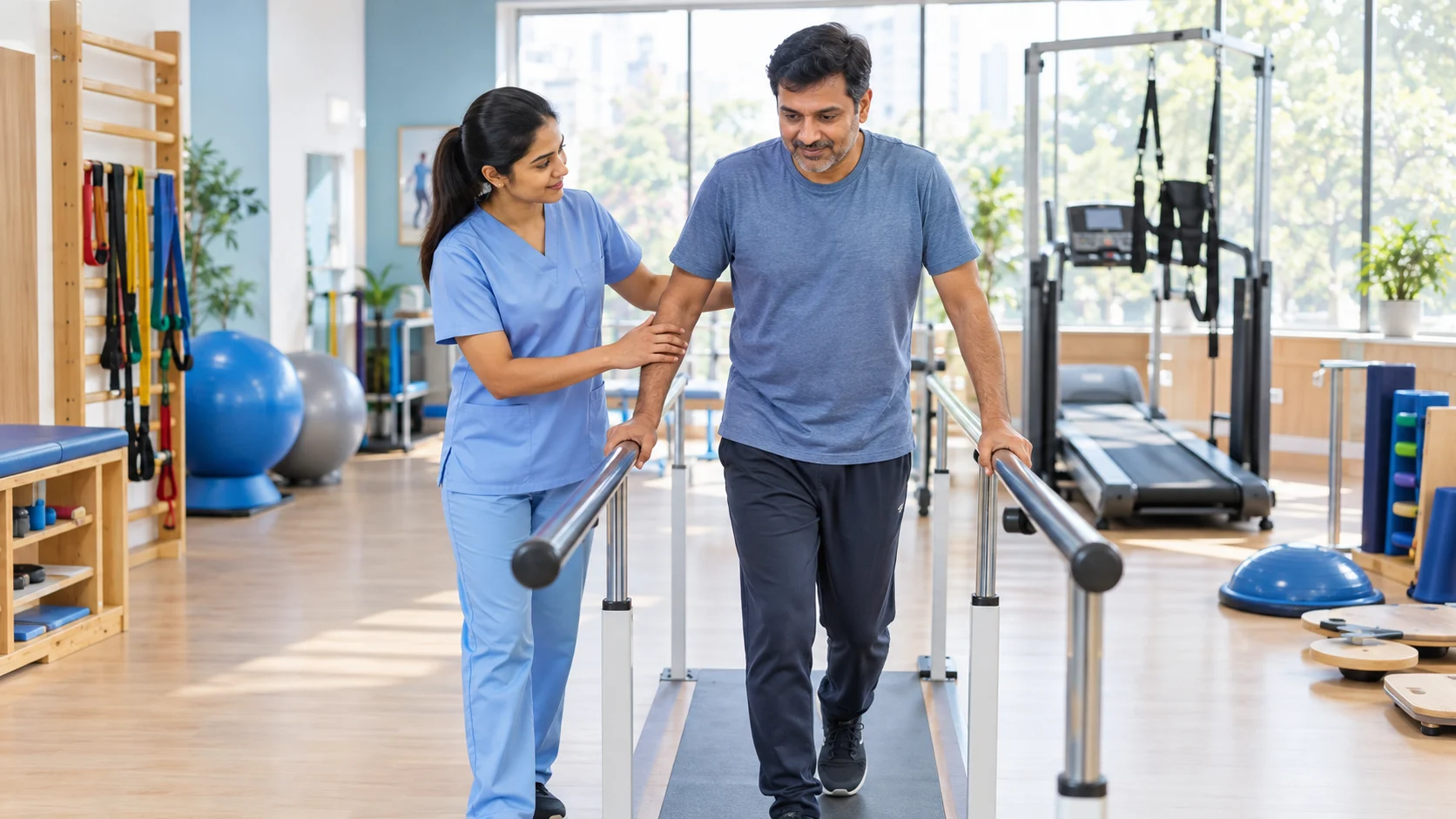
Recovering from paralysis is a gradual journey that requires patience, consistency, and the right rehabilitation approach. While medical treatment lays the foundation, targeted physiotherapy exercises play a crucial role in regaining strength, mobility, and independence.
Paralysis affects the body’s ability to send signals between the brain and muscles. However, through a process called neuroplasticity, the brain can reorganize itself and form new neural connections. The right exercises help stimulate this process, allowing patients to regain movement over time.
In this guide, we’ll explore five highly effective exercises for paralysis recovery that can be safely practiced at home under proper guidance.
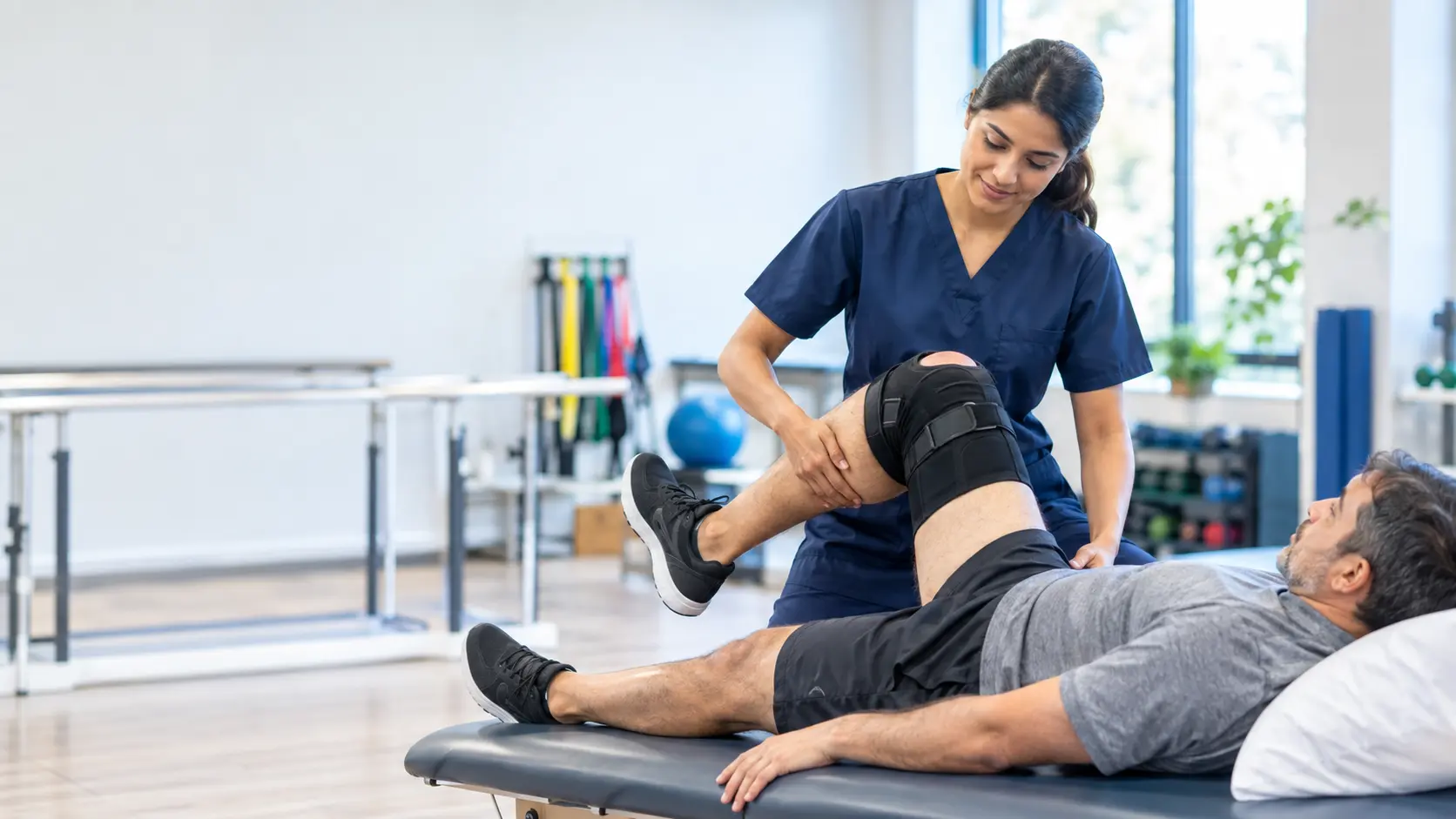
Passive exercises are often the first step in paralysis rehabilitation, especially for patients who cannot move their limbs independently.
These exercises also stimulate the nervous system, preparing the body for active movements in later stages of recovery.
This exercise bridges the gap between passive and active movement, helping patients gradually regain control.
It is particularly beneficial for individuals with partial mobility or early-stage recovery.
Posture and upper body stability are often compromised after paralysis. This exercise targets the upper back muscles.
This is especially helpful for stroke survivors and upper-body paralysis patients.
Limited movement can reduce blood circulation in the lower limbs, increasing the risk of complications.
These simple movements are essential for both early and long-term recovery.
Mirror therapy is a science-backed rehabilitation technique widely used in neurological recovery.
This technique is highly effective in stroke-related paralysis recovery.
In-detail explanation: Paralysis Exercises for Recovery Patients: Guidance from Experts
Consistency is the key to success in any rehabilitation program. Regular practice of physiotherapy exercises:
Even 20–30 minutes of daily exercise can lead to noticeable improvements over time. Small, consistent efforts create long-term progress.
Also Read: Nutrition and Paralysis: How Diet Can Impact Recovery
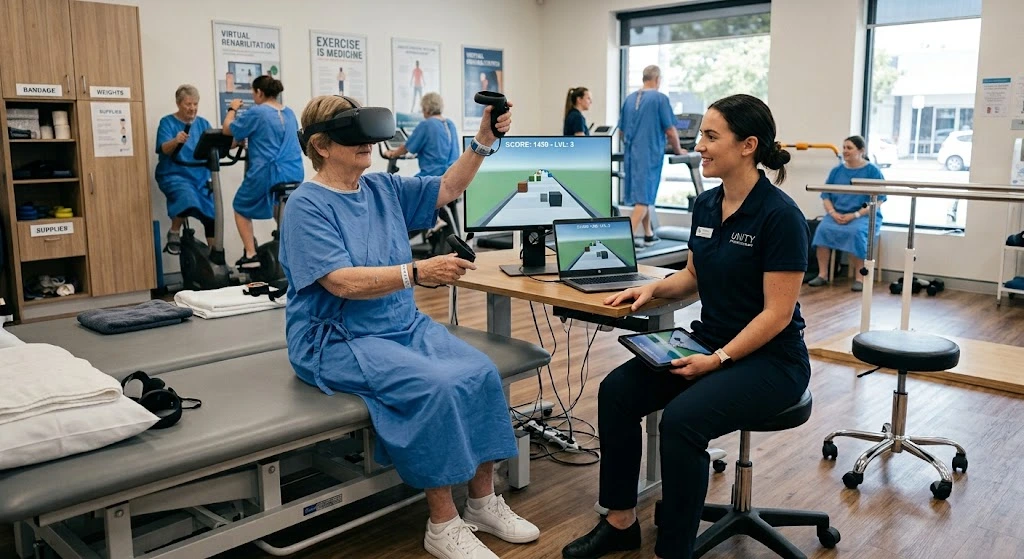
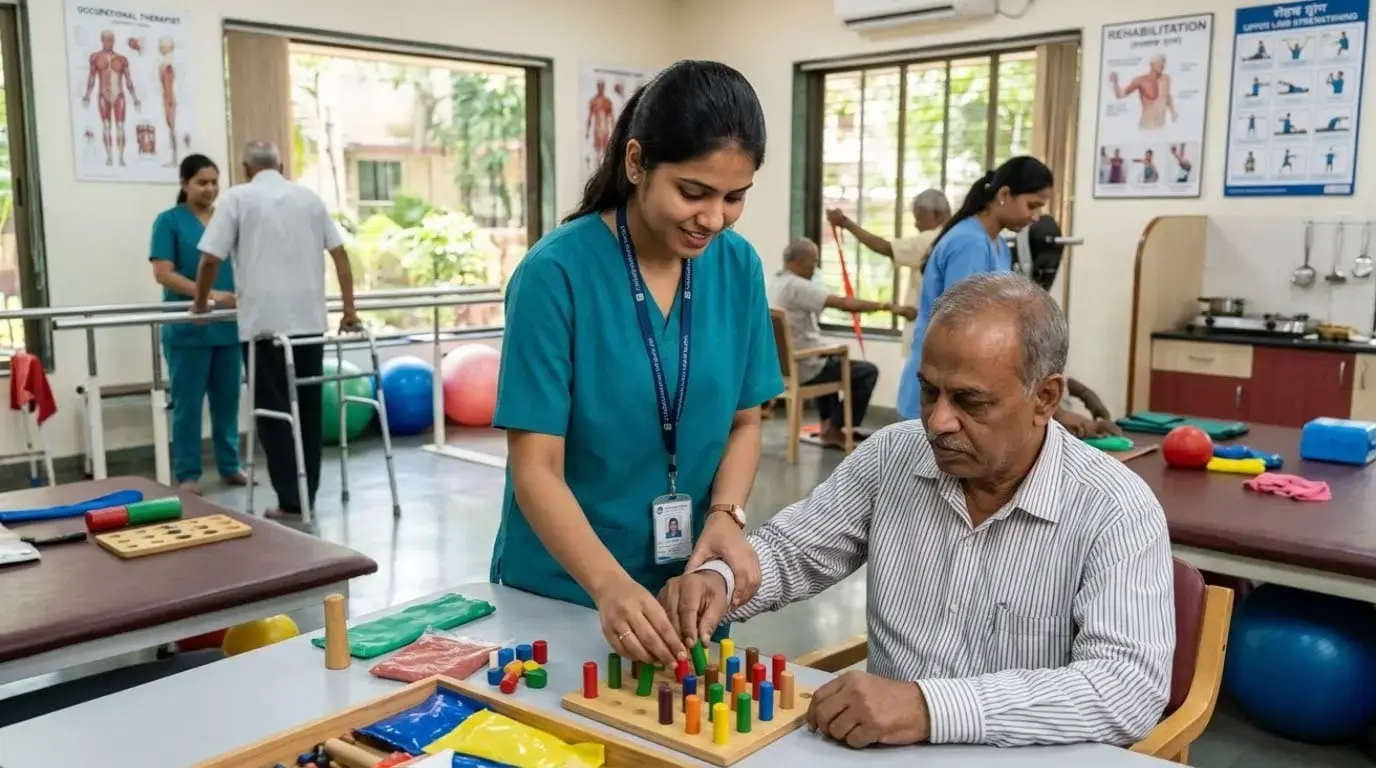
While home exercises are important, professional supervision ensures safety and faster recovery. A structured rehabilitation program guided by experts can significantly improve outcomes.
At Medical Rehabilitation Center (MRC), patients benefit from:
Seeking expert care ensures that each exercise is performed correctly and adapted to the patient’s condition. Recognized as one of the best hospitals for pain management and paralysis treatment in Kolkata, we operate with a multidisciplinary team of specialists.
Paralysis recovery is not instant—but it is possible. With the right combination of guided physiotherapy, consistent exercises, and mental resilience, patients can regain movement and independence over time.
Each small effort—whether it’s an ankle pump, a shoulder squeeze, or mirror therapy—plays a vital role in rebuilding strength and restoring confidence.
Recovery time varies depending on the severity, cause, and individual health condition. Some patients see improvements within weeks, while others may take months or longer with consistent therapy.
While full recovery is not guaranteed for everyone, regular physiotherapy exercises significantly improve mobility, strength, and independence, especially when started early.
Yes, but exercises should be performed under professional guidance initially. Once learned correctly, they can be safely continued at home with proper precautions.