Last updated on by MRC
Brain injuries can profoundly affect a person’s physical abilities, cognitive processes, and emotional well-being. Whether caused by accidents, falls, sports injuries, or neurological conditions, recovery often involves a long and carefully structured rehabilitation process. At MRC, we understand the challenges faced by survivors and caregivers, and the importance of a comprehensive, evidence-based approach to rehabilitation after brain injury.
In this article, we explore the principles of brain injury rehabilitation, the goals of treatment, therapeutic interventions, and available support systems, including neuro rehabilitation centres in Kolkata to help individuals achieve their highest level of independence and quality of life.
A brain injury occurs when external trauma or internal medical events interrupt normal brain function. The severity and location of the damage can lead to a wide range of physical, cognitive, and emotional symptoms.
Following injury, survivors may experience:
The primary aim of rehabilitation after brain injury is to restore lost function, enhance remaining abilities, and facilitate meaningful reintegration into daily life.
These goals are personalized according to:
Key objectives include:
Also Read: Different Types of Paralysis: Symptoms & Treatment Options
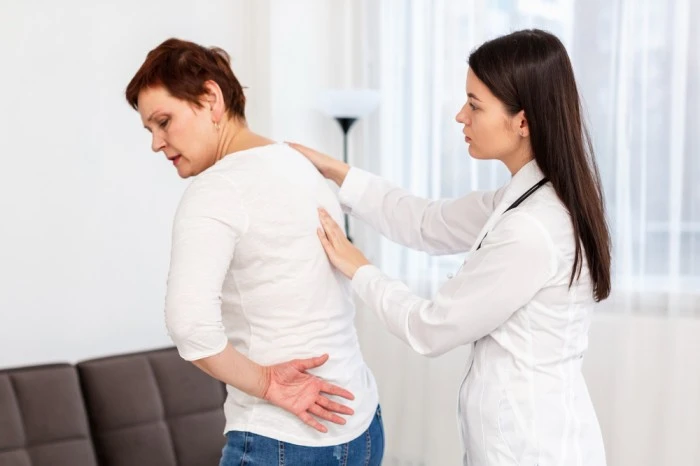
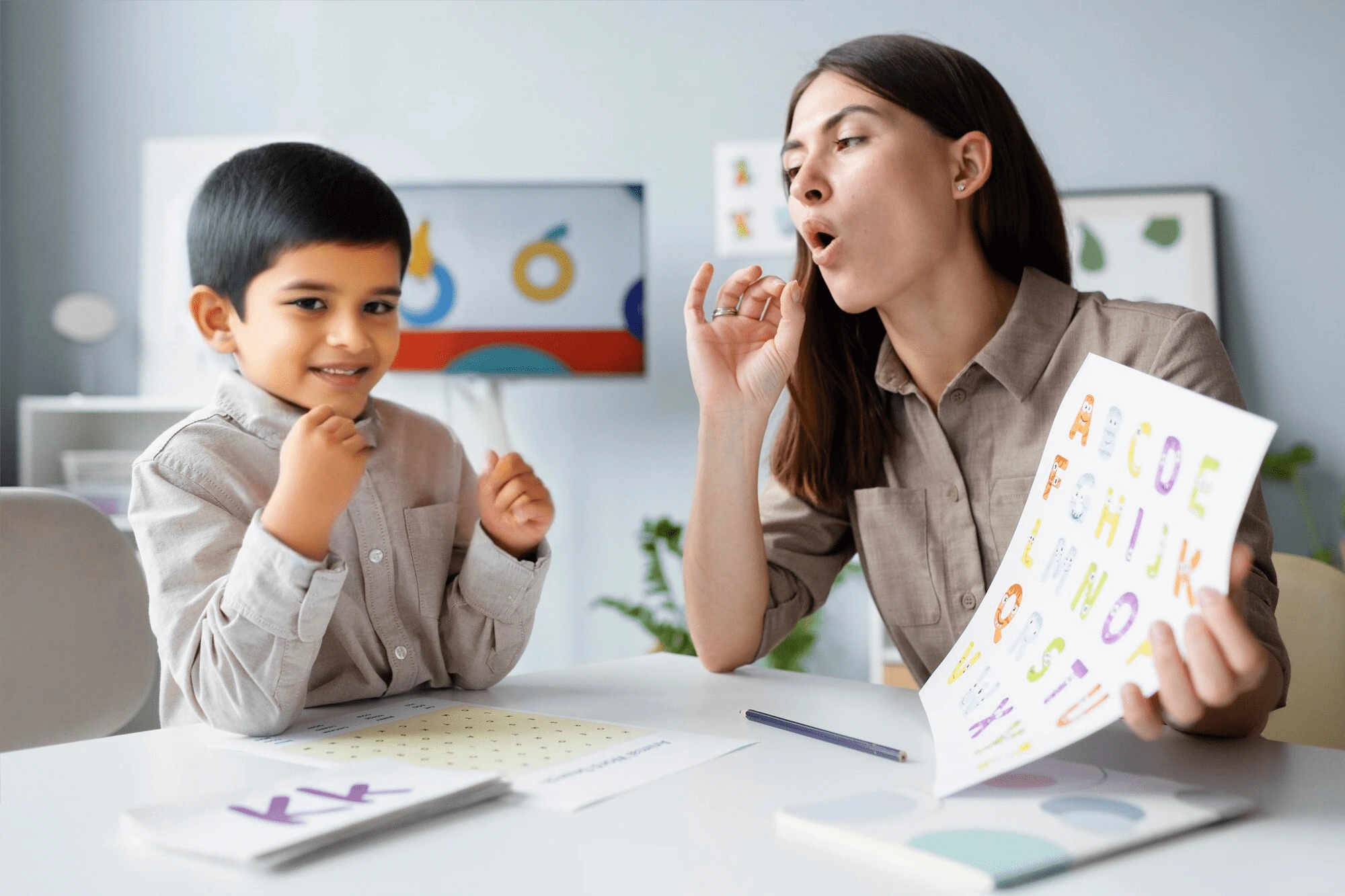
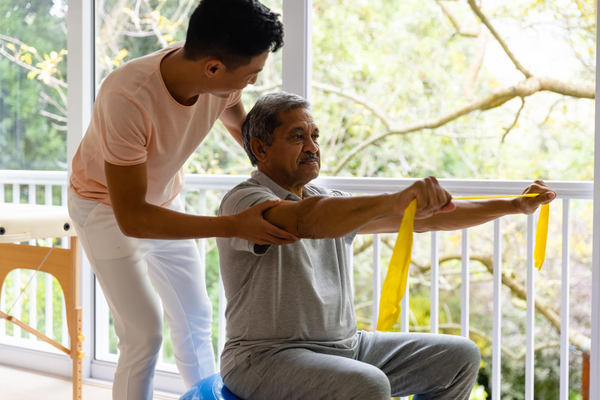
Brain injury therapy is most effective when delivered by a multidisciplinary team working collaboratively with the individual and family. Common rehabilitation specialists include:
Focuses on:
Helps individuals:
Targets:
Cognitive rehabilitation therapy is a cornerstone of effective brain injury rehabilitation.
It focuses on:
Brain injury often brings emotional challenges such as anxiety, depression, irritability, and personality changes.
Psychological rehabilitation includes:
For many patients and families, access to specialized neuro rehabilitation centres is crucial. Kolkata has a growing network of facilities dedicated to brain injury rehabilitation, offering:
Choosing the right centre depends on individual needs, severity of injury, and long-term goals. Early intervention helps improve outcomes and reduces long-term disability.
Recovery from brain injury is not limited to clinical therapy. Family education and caregiver involvement significantly enhance progress by:
Rehabilitation after brain injury is a journey with evolving milestones.
Progress is often measured through:
It’s crucial to celebrate small successes, and understand that recovery timelines can vary widely between individuals.
Effective brain injury rehabilitation is a holistic process that combines physical therapy, cognitive rehabilitation therapy, emotional support, and community reintegration. Whether provided through specialized neuro rehabilitation centres in Kolkata or individualized outpatient care, the focus remains on restoring function, improving quality of life, and empowering individuals to thrive after brain injury.
If you or a loved one is navigating this journey, know that comprehensive support, compassionate care, and evidence-based therapies can make a meaningful difference.
Rehabilitation after brain injury refers to the therapeutic process aimed at restoring cognitive, physical, emotional, and functional abilities lost or impaired due to brain trauma or neurological events.
Traumatic brain injury rehabilitation often includes physical therapy, occupational therapy, speech-language therapy, cognitive rehabilitation therapy, and psychological support.
Cognitive rehabilitation therapy helps improve memory, attention, problem-solving, and executive functioning through structured training and adaptive strategies.
Rehabilitation is typically more effective when started early, ideally shortly after medical stabilization, and continues across different stages of recovery based on individual progress.
Yes, Kolkata hosts several neuro rehabilitation centres offering multidisciplinary care tailored to brain injury recovery needs.