Last updated on by MRC
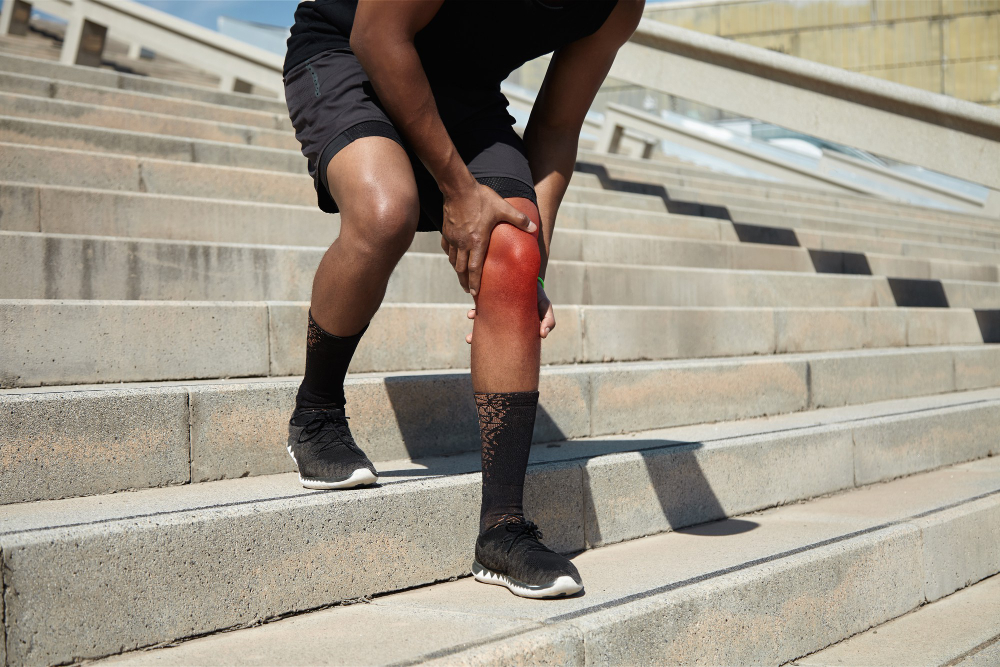
Knee pain is a widespread health concern that affects people of all ages. From minor discomfort to chronic joint issues, knee pain can limit movement, reduce independence, and negatively impact daily life. Identifying the cause early and choosing the right treatment is essential for long-term relief.
At MRC, known as one of the best pain clinic in Kolkata, patients receive comprehensive evaluation and personalized knee pain management solutions focused on recovery, mobility, and quality of life.
Knee pain is often dismissed as temporary strain or age-related discomfort. However, persistent pain may indicate deeper joint or nerve issues.
Early diagnosis and the best treatment for knee pain can prevent complications and reduce the need for surgical intervention.
Knee pain can develop due to injury, degeneration, or medical conditions. The most common causes include:
Understanding the root cause is critical for effective knee pain management.
Recognizing early symptoms of knee pain helps prevent long-term damage. Common warning signs include:
If these knee pain symptoms persist beyond a few days, professional evaluation is strongly recommended.
Accurate diagnosis forms the foundation of effective treatment. At MRC, evaluation includes:
This approach ensures targeted and evidence-based treatment planning.
Must Read: Non-Surgical Knee Rehabilitation: Effective Ways to Manage Pain and Improve Mobility
The best treatment for knee pain depends on the underlying cause, pain severity, and patient goals. At MRC, treatment plans are customized for both short-term relief and long-term recovery.
Ideal for chronic or severe cases:
These options are effective for chronic knee pain treatment without surgery.
Rehabilitation plays a key role in preventing recurrence and restoring function.
A structured rehabilitation program ensures sustained improvement and better mobility.
Chronic knee pain requires more than temporary relief – it demands a structured and long-term treatment approach. At MRC, care is focused on identifying the exact pain-generating structures within the knee, addressing inflammation at its source, and improving overall joint mechanics to restore natural movement.
Equal emphasis is placed on preventing future flare-ups through personalized treatment and rehabilitation strategies. This comprehensive approach helps patients regain control over daily activities, improve mobility, and achieve lasting relief from chronic knee pain.
Patients choose MRC for its patient-centric and results-driven approach:
Our focus goes beyond pain relief to complete functional recovery.
At MRC, knee pain treatment is guided by clinically proven methods, personalized care plans, and a multidisciplinary approach. We help patients achieve long-term relief and improved mobility.
If knee pain is limiting your daily life, early consultation at the best pain clinic in Kolkata can help you move forward with confidence.
Pain, swelling, stiffness, instability, difficulty walking, and discomfort during movement.
Treatment depends on the cause and may include medication, physiotherapy, injections, or rehabilitation.
Yes, most cases respond well to non-surgical chronic knee pain treatment and rehabilitation.
Recovery time varies based on severity, but consistent therapy significantly improves outcomes.
MRC offers expert diagnosis, advanced pain treatments, and personalized rehabilitation under experienced specialists.